
The present Bitcoin market shows increasing signs of fatigue, which results in worldwide investor caution because price movement at recent highs has stopped. Bitcoin recently reached its highest point, which occurred during the past 12 weeks, before encountering major resistance.
Traders are monitoring the market for signs that a rally has reached its end. The price surge that analysts observed did not result in a buying frenzy at higher levels, which caused the market to experience an abrupt drop. Investors who hold positive expectations about the market have chosen to stop their trading activities.
The complete cryptocurrency market showed this sentiment, which led to investors choosing safer investment options. Bitcoin rally fatigue now affects market sentiment and trading activities for investors across the globe.
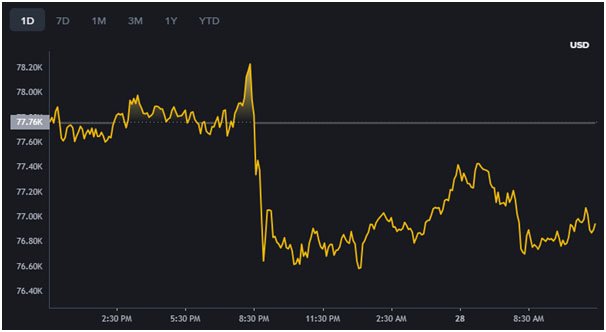
Bitcoin price chart showing recent rally and pullback signals. [Courtesy: Binance]
Why Bitcoin Rally Fatigue Is Raising Concerns
Bitcoin rally fatigue is a concern because multiple indicators have recently shown bearish signals, indicating a loss of momentum. Indicators like the relative strength index and oscillators display weakness despite new highs in price.
This suggests buyers may be struggling to maintain the trend. Furthermore, heightened pressure at resistance zones demonstrates the taking of profits by institutional and retail traders. Investor sentiment is taking a measured approach to risk.
Experts note that these “fatigue” periods may foreshadow consolidation or even more significant corrections. Recognising these signs is key to managing turbulent times in the cryptocurrency markets.
Where Market Resistance Is Limiting Bitcoin Gains
Bitcoin rally fatigue is evident at the key resistance zone of $79,400, where sellers are appearing. It has formed a barrier that has halted further gains despite optimism earlier.
Market participants note that as resistance is repeatedly challenged, investor trust erodes. This area has seen a concentration of liquidity, increasing sell orders, forming a barrier. Market depth also indicates scant buying support above the range.
This creates increased volatility and uncertainty. The lack of strength on the upside highlights the increased dominance of negative market sentiment.
When The Rally Began Losing Strength
The signs of Bitcoin rally fatigue emerged soon after the cryptocurrency hit its latest high, signalling a shift in market dynamics. The rally started to gain momentum with strong inflows and positive macro indicators.
But momentum indicators began to falter as the price hit resistance. This reversal took place quickly and reflected rapid adjustments in market sentiment. According to analysts, these shifts can suggest a cooling period following periods of buying.
The timing of such transitions is important, as early indicators of fatigue may affect trading strategies. The current stage represents a temporary break in a strong bullish trend.
How Indicators Signal Bitcoin Rally Fatigue
Bitcoin rally fatigue is indicated by a combination of technical signals that point to a slowing of the bullish momentum. Bearish divergence in the relative strength index (RSI) suggests a decline in buying momentum.
Other momentum oscillators are also decreasing, confirming the deceleration in price growth. Trading volume is decreasing during price rallies, suggesting a lack of support.
Moving averages are also starting to flatten, indicating loss of trend momentum. These tools give traders a better understanding of the market and help them identify potential turning points. Recognising the signs of fatigue in these indicators is crucial for investment strategies.
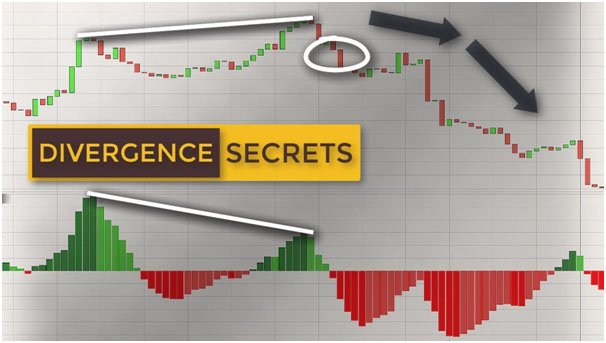
Technical indicators show bearish divergence in the Bitcoin trend. [Courtesy: Binance]
What This Means For Crypto Investors
The end of the Bitcoin rally has significant implications for cryptocurrency investors, as it reflects a change in market sentiment. This can lead to a more conservative approach among investors, with an emphasis on risk mitigation and preservation.
Day traders may seek opportunities in market fluctuations, while long-term investors may reevaluate buying opportunities. The situation calls for diversification and the interpretation of market signals.
Institutions are also likely to be re-evaluating trades due to momentum loss. This stage doesn’t necessarily signal a long-term bearish outlook but rather the significance of timing. Market participants need to be alert and flexible to changing conditions in the cryptocurrency markets.
What Could Happen Next In Bitcoin Markets
The recent Bitcoin rally fatigue indicates the market may be due for a consolidation or correction in the short to medium term. Continued selling pressure could drive prices to lower levels and a stabilisation.
On the other hand, a buy signal might reappear with improving macroeconomic data. Traders are now watching liquidity and sentiment measures. Overcoming resistance would invalidate bearish signals and regain momentum.
But a lack of momentum would prolong the cooling-off period. The next few weeks will reveal whether Bitcoin will continue its bullish run or switch to a cooling phase.
Also Read: Bitcoin Pullback Analysis: What Happened at $79,400 Resistance
FAQs
Q1. What is Bitcoin rally fatigue?
A1: Bitcoin rally fatigue refers to weakening momentum after a price surge, often indicated by bearish signals and reduced buying strength near resistance levels.
Q2. Why is the $79,400 level important?
A2: The $79,400 level acts as a strong resistance zone where selling pressure increases, preventing further upward price movement in recent sessions.
Q3. Can Bitcoin recover from this fatigue phase?
A3: Yes, Bitcoin can recover if buying momentum returns and breaks resistance levels, supported by improved market sentiment and liquidity inflows.
Q4. What should investors do during this phase?
A4: Investors should focus on risk management, monitor indicators closely, and consider diversified strategies to navigate potential volatility.
Disclaimer:
This article is for informational purposes only and does not constitute financial advice. Cryptocurrency markets are highly volatile and involve significant risk. Readers should conduct independent research and consult licensed financial advisors before making investment decisions. The analysis presented reflects market conditions at the time of writing and may change rapidly.
Source Links: