

JPMorgan Opens the Bitcoin Gate—But Won’t Hold Your Hand
For years, Jamie Dimon’s stance on Bitcoin has echoed loud and clear across Wall Street. He’s called it “worthless,” warned of its use in money laundering, and famously labelled it “a fraud.” Yet, in a move that may leave many both amused and intrigued, JPMorgan Chase—the very bank he leads—is now offering clients access to Bitcoin.
But here’s the twist: they won’t hold it.
The bank is giving clients exposure to Bitcoin, meaning they can now see their digital assets in their financial statements, but JPMorgan itself won’t custody the asset. It’s a strategic shift wrapped in contradiction, and it’s stirring conversations across the crypto and financial communities alike.
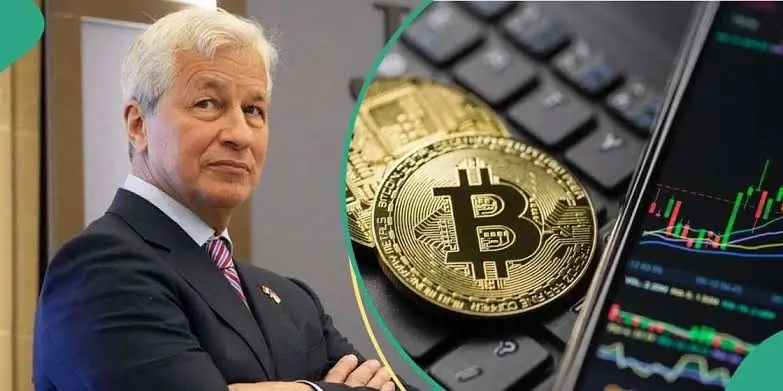
Figure 1: JPMorgan Gives Bitcoin Access—But Won’t Hold It
JPMorgan’s Quiet Pivot Toward Bitcoin
This isn’t the first time JPMorgan has dabbled in the crypto space. From launching its own blockchain network, Onyx, to exploring tokenised deposits, the bank has steadily moved into the digital frontier.
But offering direct access to Bitcoin—even with strings attached—feels different. This time, they’re giving clients a view of their Bitcoin holdings right alongside their stocks and bonds. The assets themselves? Held by a third party.
There’s no formal announcement. No big headline rollout. Yet insiders have confirmed the feature is live. It’s quiet, but powerful.
This move reflects a growing trend among legacy banks: don’t get your hands dirty, but don’t get left behind either.
The Custody Clause: What JPMorgan Won’t Do
Here’s what’s crucial: JPMorgan still won’t custody Bitcoin. In simple terms, they’re not going to hold the digital coins themselves.
Why? Risk. BTC’s volatility, lack of regulatory clarity, and associations with illicit activities make it a tricky asset to guard. And for a bank as big and traditional as JPMorgan, getting involved in the actual storage of cryptocurrency could open doors to massive compliance headaches.
So instead, they’ve taken the middle path—provide visibility, but leave the heavy lifting to external crypto custodians.
This aligns with the bank’s long-standing caution. Despite the demand from high-net-worth clients and institutions, JPMorgan continues to tread carefully.
Jamie Dimon’s Bitcoin Dance
If this sounds like a contradiction, that’s because it is. Jamie Dimon hasn’t exactly been shy about his BTC scepticism.
He’s warned that Bitcoin is “used by criminals,” isn’t a “real currency,” and could end badly for those involved. At times, his tone has bordered on dismissive, if not outright hostile.
Yet here we are—under Dimon’s leadership, JPMorgan is inching deeper into the crypto arena.
To be fair, Dimon has always separated personal opinion from client interests. He’s repeatedly said that while he doesn’t believe in Bitcoin, he’s willing to serve clients who do. And that’s what we’re seeing here—a reluctant accommodation of demand.
Call it pragmatism, or call it strategic hedging. Either way, it’s a fascinating play.
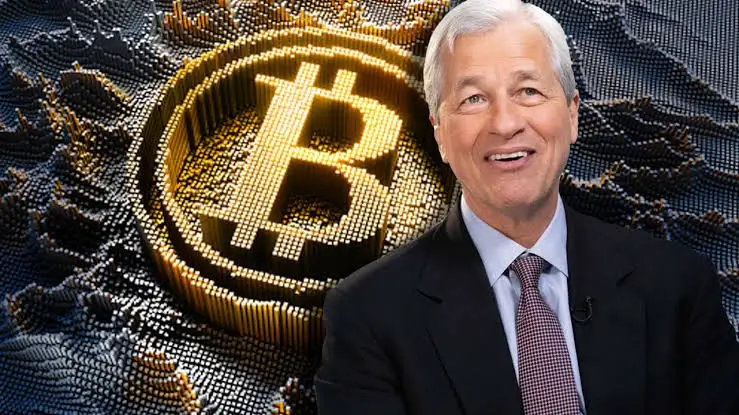
Figure 2: Jamie Dimon’s Shifting Stance on Bitcoi
Why This Matters for the Crypto Landscape
This isn’t just about JPMorgan. It’s about what this move signals to the rest of the financial world.
The message is clear: institutions may still criticise crypto publicly, but they’re making space for it privately. They see the client demand. They recognise the growth. And they’re finding ways to engage without diving all the way in.
JPMorgan’s new service gives Bitcoin more legitimacy in the eyes of traditional investors. It suggests that crypto isn’t just for tech bros and Twitter threads anymore. It’s being integrated—carefully and cautiously—into mainstream finance.
The Bigger Picture: Crypto’s Quiet Integration
JPMorgan’s choice to include Bitcoin in client statements, without custody, marks a new phase in crypto’s evolution.
Banks no longer feel the need to shout their crypto involvement from rooftops. The narrative is changing. Crypto isn’t a disruptor knocking on the door anymore—it’s being welcomed in, albeit cautiously.
The likes of Jamie Dimon may still hold personal reservations, but the ship has sailed. Clients want exposure. Institutions want to stay relevant. And as much as some executives may scoff at digital assets, their bottom lines know better.
Figure 3: The Bigger Picture
Final Thoughts: A Turning Point or a Tactical Retreat?
JPMorgan’s BTC access move feels like a halfway handshake. It’s an acknowledgment that crypto isn’t going anywhere, without fully embracing the revolution.
By offering visibility but steering clear of custody, JPMorgan sends a message: “We’ll meet you halfway, but don’t expect us to carry the torch.”
For investors, it opens new doors. For the crypto world, it’s validation from one of the most powerful banks on the planet—even if it comes with disclaimers.
In the end, this is more than a feature update. It’s a quiet, strategic nod to Bitcoin’s staying power, even from its most vocal critics.
And in the ever-evolving dance between traditional finance and crypto, this may be one of the most telling steps yet.