Aave, one of decentralised finance’s largest lending protocols, is leading a broad industry recovery effort following losses tied to the Kelp DAO exploit. The initiative, informally known as “DeFi United,” had secured approximately US$303 million in pledged commitments as of 28 Apr 2026, according to the fund’s website.
Figure 1: Aave protocol logo representing DeFi lending platform [Courtesy: Decrypt]
The Aave crypto hack recovery effort has drawn contributions from major names across the Ethereum ecosystem, including Consensys, Lido, EtherFi, Mantle, and several others. Much of the capital remains subject to governance approval, but the breadth of participation signals an unusually coordinated industry response.
What Triggered the Aave Crypto Hack Recovery Effort
The crisis originated from an 18 Apr 2026 bridge hack that impacted rsETH, Kelp DAO’s liquid restaking token. The exploit rippled into rsETH markets and created significant risk across lending positions on Aave, prompting urgent action from both the protocol and the broader ecosystem.
Following the hack, Aave founder Stani Kulechov reached out directly to Consensys and other ecosystem participants to help coordinate a response. The effort quickly moved from an internal Aave matter to a sector-wide mobilisation of capital and credit.
How the Exploit Spread Across DeFi
The Kelp DAO exploit did not remain contained to a single protocol. Its impact spread through rsETH markets and into Aave’s lending infrastructure, creating bad debt risk across multiple positions.
Aave Labs described the situation as one requiring ecosystem-wide action. A governance proposal has been put forward for the Aave DAO to allocate up to 250,000 ETH as part of the DeFi recovery fund, with details being finalised.
Who Is Contributing to the DeFi Recovery Fund
The DeFi recovery fund details reveal a diverse mix of contributions spanning grants, deposits, and credit lines. Aave founder Stani Kulechov has personally indicated he would donate 5,000 ETH.
Additional contributions from within Aave’s orbit include 500 ETH from Aave’s Emilio Frangella, 250 ETH from BGD Labs, 100 ETH from BGD Labs’ Ernesto Boado, and 100 ETH from KPK’s Marcelo Ruiz de Orlano.

Figure 2: DeFi Technologies branding logo [Courtesy: PR Newswire]
Consensys, alongside founder Joseph Lubin, committed up to 30,000 ETH in financial support. Sharplink played a strategic advisory role in those early discussions, according to a Consensys spokesperson.
Contributions From Across the Broader Ecosystem
The Ethereum ecosystem recovery efforts have extended well beyond Aave’s immediate circle. Lido put forward a proposal to allocate up to 2,500 stETH. EtherFi is in discussions over a 5,000 ETH plan to support users and limit bad debt across DeFi.
Mantle has proposed a 30,000 ETH credit facility loan, while Compound put forward a proposal to contribute up to 3,000 ETH.
Other contributions are taking the form of direct deposits into Aave. Babylon Foundation plans to deposit US$3 million in USDT, while Renzo has supplied more than US$10 million from its treasury.
Circle Ventures is purchasing AAVE tokens directly, with additional deposits from the Avalanche Foundation, Solana Foundation, and Justin Sun.
Participants Yet to Disclose Commitment Size
Several entities participating in the Aave crypto hack recovery have not publicly disclosed the size of their commitments. These include Ethena, LayerZero, Frax Finance, Ink Foundation, and Tyro.
Their participation nonetheless reflects how widely the Kelp DAO’s impact has been felt across the DeFi landscape.
What Industry Leaders Said About DeFi United
Joseph Lubin, founder of Consensys, spoke directly to the significance of the coordinated effort and its meaning for the Ethereum ecosystem recovery efforts.
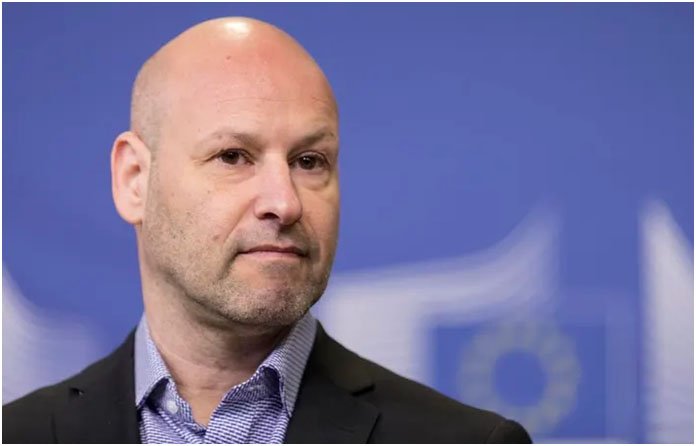
Figure 3: Joseph Lubin, founder of Consensys [Courtesy: Forbes]
“The Ethereum ecosystem has always been at its best when it moves together. DeFi United is exactly that – a broad, coordinated response to protect users and strengthen the infrastructure we have all helped build. Consensys is proud to contribute alongside other stewards in the ecosystem,” Lubin said.
An Aave Labs spokesperson also addressed the motivations behind the wide participation in the DeFi recovery fund.
“There is a shared priority around supporting users and restoring normal market conditions. Many of these participants are deeply connected to DeFi, whether through infrastructure, capital, or user access, and have a direct interest in ensuring markets function as expected,” the spokesperson said.
Arbitrum ETH Release Sought to Complete the Recovery
In parallel with the DeFi United fundraising, Aave Labs has submitted a proposal to Arbitrum governance. The proposal requests the release of approximately 30,765.67 ETH currently immobilised by Arbitrum’s Security Council into the coordinated remediation effort.
The goal of unlocking the frozen ETH is to make affected rsETH holders whole and restore rsETH’s backing. This step remains subject to Arbitrum governance approval and represents one of the final pieces required to complete the Aave crypto hack recovery.
Industry Outlook
The DeFi sector has historically struggled to mount coordinated responses to major exploits, with fragmented governance and competing interests often slowing remediation.
The DeFi United initiative represents a meaningful departure from that pattern, with Ethereum ecosystem recovery efforts now drawing participation from lending protocols, liquid staking providers, foundations, and individual contributors alike.
As DeFi matures, the ability to mobilise capital quickly across competitive boundaries will become an increasingly important signal of ecosystem resilience and institutional credibility.
Future Direction and Impact on DeFi Participants
For participants tracking the DeFi recovery fund details, the immediate focus is on governance approvals across multiple DAOs. Several proposals remain under discussion, and the final capital deployed will depend on how quickly those votes are concluded.
The Arbitrum ETH release proposal adds another governance variable to the timeline. If approved, it would meaningfully accelerate the path to making rsETH holders whole.
The Aave crypto hack recovery, if successfully completed, could set a precedent for how the Ethereum ecosystem recovery efforts are structured in response to future exploits, particularly those that spread systemic risk across multiple protocols simultaneously.
ALSO READ: Bitcoin Pullback Analysis: What Happened at $79,400 Resistance
Frequently Asked Questions
Q1. What is the Aave crypto hack recovery about?
Ans. It is a coordinated DeFi industry effort to compensate users affected by the Kelp DAO exploit on 18 Apr 2026, which created losses across rsETH markets and Aave lending positions.
Q2. How much has DeFi United raised so far?
Ans. Approximately US$303 million in commitments had been pledged as of 28 Apr 2026, though much of the capital remains subject to governance approval.
Q3. Who are the largest contributors to the DeFi recovery fund?
Ans. Major contributors include Consensys and Joseph Lubin with up to 30,000 ETH, Mantle with a 30,000 ETH credit facility, and the Aave DAO proposing up to 250,000 ETH from its own governance.
Q4. What is the Arbitrum ETH release proposal?
Ans. Aave Labs has asked Arbitrum governance to release approximately 30,765.67 ETH frozen by its Security Council to help make affected rsETH holders whole as part of the recovery.
Q5. Are all the pledged funds confirmed?
Ans. No. Many contributions remain subject to individual DAO governance votes and are still under discussion as of the date of publication.
Disclaimer
This article is intended for informational purposes only and does not constitute financial or investment advice. All content is based on publicly available reporting published on 28 Apr 2026 and supplementary statements from Aave Labs and Consensys. Cryptocurrency investments carry significant risk, including the possible loss of principal. Readers should conduct their own research and seek independent financial advice before making any investment decisions. Crafmin does not hold any position in the companies, protocols, or organisations mentioned.