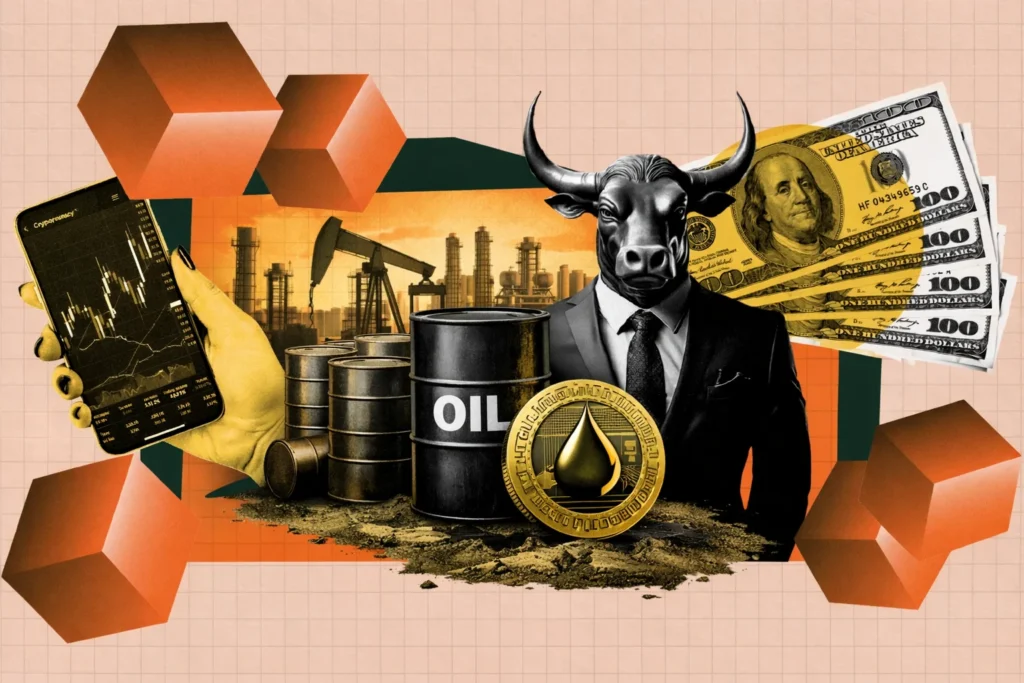
The trading of oil on crypto exchanges is gaining more and more momentum, with traders aiming to trade real-time oil commodities in the world market. Recent market figures indicate that oil-related contracts are the second-most-traded asset on the decentralised Hyperliquid platform, after Bitcoin.
In the West Texas Intermediate crude, the CL-USDC perpetual contract tracking registered a trading volume exceeding one point two billion dollars within a span of 24 hours. This was a rush after severe swings in oil prices due to the rising tension in the Middle East.
Peaking over 30 per cent to almost $120 a barrel on conventional markets, oil futures triggered an immediate reaction by crypto traders on the decentralised exchanges that operate 24-hour trades. (Investing.com India)

Oil trading volumes surged on decentralised crypto exchanges amid global geopolitical tensions. [Courtesy: CCN.com]
Oil Trading Growth On Crypto Exchanges Reaches Record Volumes
The most recent figures show there is unprecedented movement in the growth of oil trading on crypto exchanges. The volume of the tokenised oil contract trading increased by almost 10 -11 times, as a result of the breakout of the conflict escalating to over 1.2 billion dollars in a day.
This fast growth made oil overtake Ethereum in terms of trading on the platform. Bitcoin continues to take the first position, but oil takes the second place in the list of all the traded assets.
The contract is a perpetual futures product, which is pegged to the West Texas Intermediate crude, and this enables the traders to speculate on price fluctuations without necessarily trading in commodities.
The model has unlimited trading and high leverage, which attracts investors who want to respond quickly to macroeconomic events.
What Triggered The Surge In Oil Trading On Crypto Platforms?
It seems that the major trigger of the surge is geopolitical developments. The confrontation between the United States, Israel, and Iran shook the expectations of energy supply in the world and raised crude prices to such an extent.
Traders scrambled to hedge risk and make profits in financial markets. Through crypto exchanges, participants were enabled to buy and sell oil-related derivatives in real time, even over the weekends when the traditional markets were closed.
On Sunday, the tokenised crude contract hit approximately $107 per barrel as a form of early pricing prior to the reopening of Wall Street.
Short positions worth close to 75 million were sold off as the prices soared at a high rate, with the point of leverage trading being highly active among investors of digital assets.
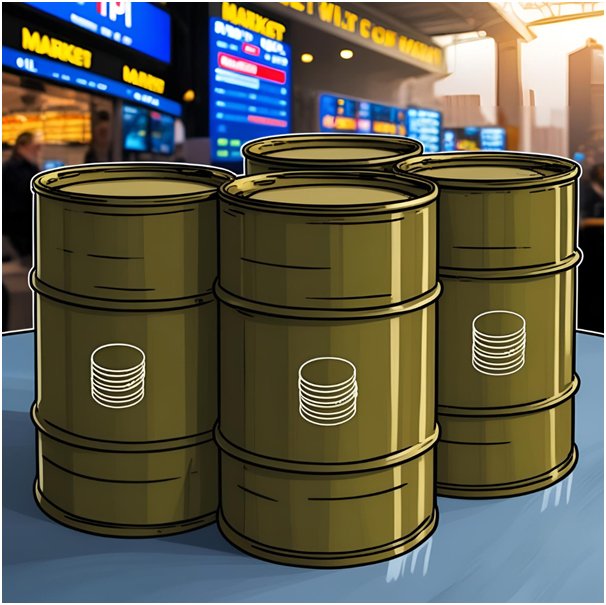
Tokenised oil contracts allow traders to react instantly to global energy market volatility. [Courtesy: Medium]
Crypto Platforms Expand Commodity Trading Opportunities
Another example of the growth of decentralised finance platforms using other currencies is the emergence of oil trading. Exchanges such as Hyperliquid will facilitate perpetual future contracts on real-world commodities, including oil, gold and stock indices.
The innovation will enable traders to enter international markets without conventional brokerage accounts. The platform is operational around the clock, so the reaction to geopolitical events can be instantaneous globally by investors.
Hyperliquid has been opening new derivatives ecosystems at a blistering pace over the last year, which has attracted traders seeking to trade both digital assets and macroeconomic trends in the same ecosystem.
The trend of the soaring popularity of the oil trade indicates that tokenised commodities are gaining a significant role in the overall crypto economy.
Why Oil Is Topping Crypto Trading Platforms
There are a number of reasons why the oil is surpassing crypto trading platforms in recent weeks. To start with, energy markets are extremely sensitive to the events in the geopolitical arena, generating considerable fluctuations in prices.
Second, decentralised exchanges give quicker access to the market than conventional commodity exchanges. Third, traders adopt the use of tokenised assets to represent macroeconomic opinions on blockchain exchanges.
Analysts also observe that crypto investors are moving money to commodities as risks of inflation continue to rise worldwide. The trend is similar to those observed in the past, where investors resort to physical assets when they are uncertain.
This has seen oil contracts take the form of a favourite trading tool with a number of crypto-native investors.
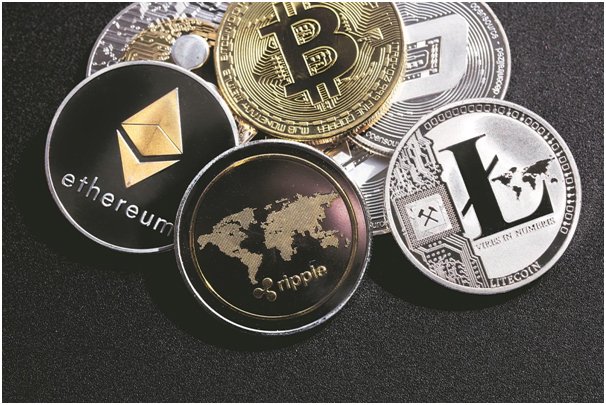
Crypto traders increasingly use tokenised commodities to hedge macroeconomic risks. [Courtesy: Business Standard]
The Future Of Oil Trading Growth On Crypto Exchanges
The recent boom may be the beginning of a more significant change in the digital asset markets. The tokenised commodities enable crypto traders to engage in conventional marketplaces without quitting decentralised ecosystems.
Analysts are of the opinion that this merger between commodities and blockchain trading will grow at a very high rate in the coming few years. The ascension of oil to the second-most traded market indicates that there is a high need for real-world asset exposure.
Trading may also be high in case the geopolitical tensions persist, and the energy price is still volatile. DEXes that trade perpetual futures can become an even more appealing place for investors seeking the best crypto exchange to trade commodities.
Also Read: Millionaire Crypto Trader Profits Explained: Best Strategies in 2026
FAQs
Q1. Why is oil trading increasing on crypto exchanges?
A1: Oil trading surged because geopolitical tensions pushed crude prices higher. Crypto exchanges allow traders to react instantly.
Q2. Which platform saw oil become the second-most traded asset?
A2: The decentralised exchange Hyperliquid reported oil as the second-most traded asset behind Bitcoin.
Q3. How much trading volume did the oil contract record?
A3: The oil-linked CL-USDC perpetual contract recorded more than $1.2 billion in 24-hour trading volume.
Q4. Why are traders interested in tokenised commodities?
A4: Tokenised commodities provide 24/7 access, leverage, and direct exposure to real-world assets through blockchain platforms.
Disclaimer:
This article is for informational purposes only and does not constitute financial or investment advice. Crafmin does not recommend buying or selling any asset. Readers should conduct independent research and consult a qualified financial adviser before making investment decisions.
Source: