
Around early evening on Aug. 12, 2026, Bitcoin eased down about 0.3% to $63,503.38, while Ethereum added roughly 0.2% to $1,884.51. Solana fell 0.4% to $75.80, and the overall crypto market cap also edged lower by 0.2% to $2.26 trillion.
For a brief beat, Bitcoin even ticked above $64,000 right after the inflation numbers landed. The Consumer Price Index indicated price growth cooled to 3.4%, broadly matching what analysts expected , so the initial reaction looked a little better than the later drift.
That datapoint eased worries about yet another potential Federal Reserve rate hike, but Bitcoin could not keep those initial gains; it sort of stalled and rolled back.
The muted response highlights crypto markets’ investor caution despite improving inflation conditions. Traders appear to want stronger catalysts before increasing exposure to digital assets.
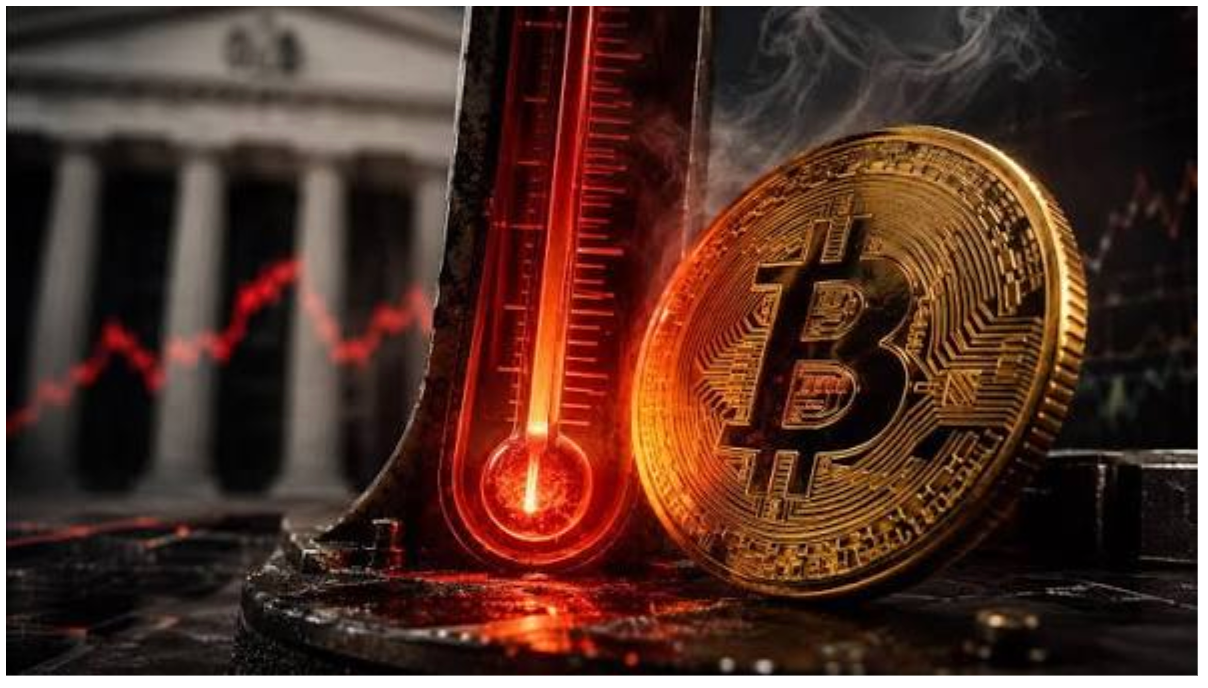 Bitcoin slipped despite cooling US inflation and briefly moving above $64,000. [Courtesy: Facebook]
Why Bitcoin Slips After The Inflation Data
The inflation report offered a positive signal for risk assets. Lower inflation can reduce pressure on the Federal Reserve to tighten monetary policy. That can support assets such as Bitcoin and other cryptocurrencies.
Yet traders had likely anticipated the inflation improvement before its release. This limited the report’s ability to create fresh buying interest. Bitcoin therefore lost its early momentum during the session.
The broader market also remained under pressure from several unresolved issues. Crypto legislation has stalled in the United States. Security concerns continue to affect sentiment.
Institutional participation also remains relatively sluggish. These factors explain why crypto markets signal caution.
Crypto Markets: Investor Caution Extends Across Major Tokens
The major cryptocurrencies were mixed during the session. Bitcoin continued to be under pressure, with a handful of other assets clocking slight positive gains. The market’s activity underlines a lack of investor confidence in digital assets. The biggest performing 10 cryptocurrencies are as follows:
- Bitcoin traded at $63,397.00, gaining +0.1% over 24h
- Ethereum traded at $1,878.46, gaining +0.8% over 24h
- XRP traded at $1.01, falling -0.5% over 24h
- Solana traded at $75.76, gaining +0.7% over 24h
- Hyperliquid traded at $56.26, gaining +4.1% over 24h
However, weekly performance remained weaker for several major tokens. XRP fell -5.7% over seven days. Bitcoin declined -2.1% during the same period. Ethereum also fell -1.9%.
 Major cryptocurrencies delivered mixed returns as traders remained selective across the market. [Courtesy: Business Standard]
Bitcoin ETF Flows Offer A Mixed Signal
Spot Bitcoin ETF activity provides one of the clearer positive signals. Inflows have picked up during August, despite continued weakness across crypto markets.
The iShares Bitcoin Trust ETF recorded around $50 million in inflows yesterday. Such flows suggest some investors still view Bitcoin as a longer-term opportunity. However, ETF demand has not yet produced a sustained market recovery.
The wider crypto slump is also affecting industry businesses. Bitwise Asset Management has reportedly cut 14% of its workforce.
The development highlights pressure across the sector. Therefore, Bitcoin slips cannot be viewed through ETF flows alone. Investors are weighing demand against wider industry challenges.
Why Crypto Markets Signal Caution For Investors
Several factors are keeping investors defensive despite the softer inflation reading. The current market environment includes:
- Slower stablecoin growth: Stablecoin expansion has lost some momentum recently.
- Stalled legislation: Expected progress on crypto legislation has not materialised.
- Security concerns: Ongoing risks continue to weigh on confidence.
- Limited institutional interest: Institutional participation remains below stronger market phases.
- Weak price momentum: Major cryptocurrencies continue trading below recent highs.
These issues create a difficult backdrop for a sustained crypto recovery. Investors may therefore require stronger evidence before returning aggressively. A major economic shift could change that balance. Greater real-world asset tokenisation could also strengthen crypto adoption. Stablecoin growth could provide another important catalyst.
 Stalled legislation and slower stablecoin growth continue to weigh on cryptocurrency sentiment. [Courtesy: CryptoSlate]
Bitcoin Outlook Depends On Stronger Market Catalysts
Bitcoin’s next major move could depend on factors beyond inflation. Investors are watching Federal Reserve policy and broader economic conditions closely. A more supportive monetary environment could improve demand for risk assets.
Greater blockchain adoption could provide another source of long-term support. Real-world asset tokenisation may also expand blockchain utility across traditional finance.
Stablecoins could strengthen crypto payments and financial applications. However, these developments may take time to influence prices significantly.
Bitcoin has previously recovered from major market declines and reached new highs. Still, past recoveries do not guarantee future performance. The current environment requires investors to balance opportunity against substantial market risk.
What Bitcoin Slips Mean For The Crypto Market
Bitcoin’s reaction shows why cooling inflation alone may not restart a crypto rally. The market needs stronger evidence of improving demand and confidence. There is some good news in terms of ETF inflows, although greater participation is necessary.
Regulatory certainty would also eliminate a degree of uncertainty for investors and businesses. In the meantime, stablecoin adoption may facilitate greater cryptocurrency adoption.
These catalysts have yet to gain strength, so volatility could stay high on the main tokens until then. The fall of Bitcoin is thus not just due to one economic report.
It is indicative of a market looking for an acceptable catalyst to find the highs. In the realm of crypto investments, patience and risk management continue to be vital as investors show caution in trading.
Also Read: Bitcoin Defenders Push for Frontier AI Access as Crypto Security Race Intensifies
Crypto Market FAQs
Q1. Why Did Bitcoin Slip On Aug. 12, 2026?
Ans: Despite the cool-down of inflation in the United States, Bitcoin prices dropped 0.3% to $63,503.38. Traders have been anticipating the lower inflation reading.
Q2. What Was The US Inflation Rate?
Ans: As expected, the CPI recorded a 3.4% inflation rate. The result reduced expectations for another Federal Reserve rate hike.
Q3. Are Bitcoin ETF Inflows Still Positive?
Ans: Yes, spot Bitcoin ETF inflows picked up during August. The iShares Bitcoin Trust ETF recorded around $50 million yesterday.
Q4. Why Do Crypto Markets Signal Caution?
Ans: Stalled legislation, security concerns, and slower stablecoin growth remain key risks. Sluggish institutional interest is another factor limiting market confidence.
Disclaimer
This write-up is only for general information, and it does not mean investment advice. Crypto prices can move quickly, and they involve significant risk. Bitcoin, Ethereum, and other digital assets could experience sudden sharp drawdowns. Readers should look at their own finances, plus how comfortable they are with risk. Earlier Bitcoin recoveries do not guarantee that similar rebounds happen later. If you’re considering any cryptocurrency moves, it may be smart to seek independent financial guidance.
Source Links: