

Institutional investors moved over $87 billion into spot cryptocurrency exchange-traded funds following regulatory approvals. Spot Bitcoin and Ethereum funds established a direct link between traditional brokerage accounts and digital asset markets. These investment products now manage more than $80 billion in total assets across global financial exchanges.
BlackRock’s iShares Bitcoin Trust captured roughly $54 billion of these total assets, securing nearly 49 per cent of the total market share. Fidelity’s Wise Origin Bitcoin Fund and products from Grayscale and Bitwise absorb the remaining institutional volume. Spot vehicles currently hold approximately 6.4 per cent of the total Bitcoin market capitalisation.
This structural influx altered standard trading patterns and institutional asset allocation models. Key developments in this capital shift include:
- Total net inflows exceeding $87 billion into spot products within two years of operation.
- Cumulative assets under management reaching benchmarks faster than traditional gold funds.
- Direct capital allocations from registered investment advisors, pension funds, and hedge funds.
Corporate treasuries and institutional asset managers systematically accumulated shares through daily open-market creation units. This buying pressure absorbed available exchange supply and established a permanent institutional bid.
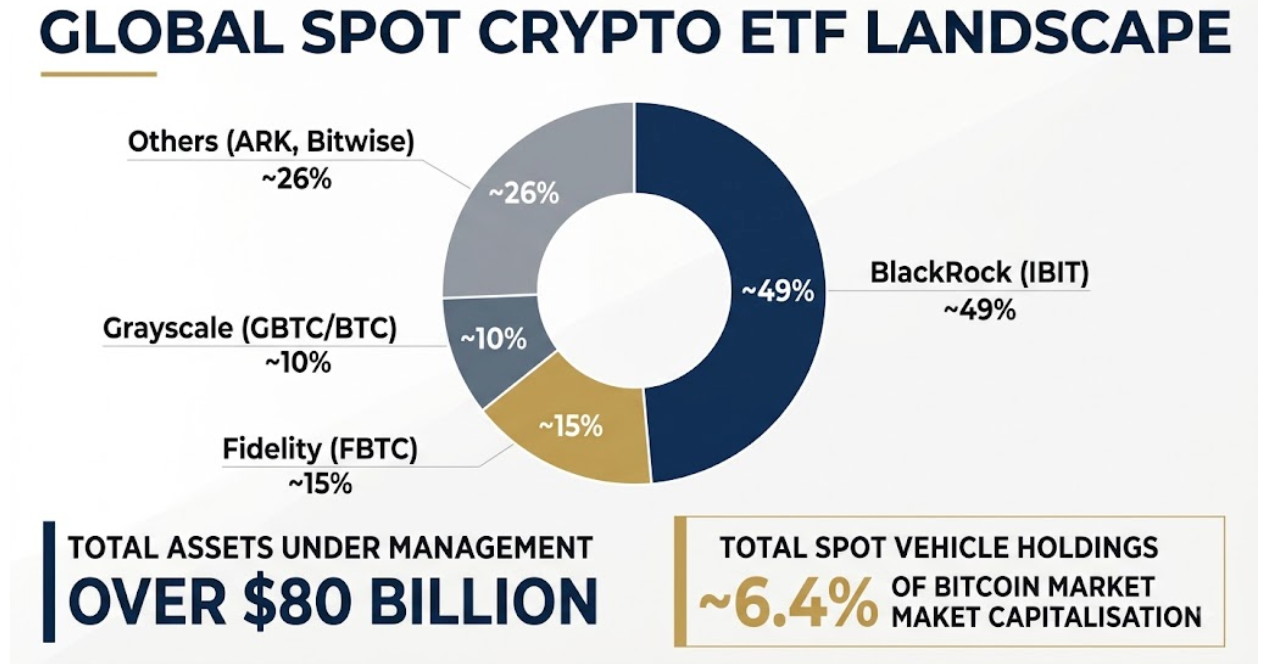 Figure 1: Global Spot Crypto Etf Market Share Distribution
The Impact on the Financial Landscape
Individual market participants now experience lower price volatility due to deep institutional order books. Institutional participation standardises execution prices and lowers bid-ask spreads across primary digital asset trading venues. Retail investors gain direct access to digital assets through regulated brokerages without managing private keys or self-custody wallets.
Traditional retirement portfolios now routinely incorporate digital asset exposure through standard wealth management channels. Financial advisors allocate between one and five per cent of diversified portfolios to spot crypto products. This integration protects investor capital through regulated custodians and established clearing systems.
Institutional order flow changes how digital assets react to macroeconomic indicators and monetary policy shifts. Central bank interest rate decisions now directly trigger capital flows in spot fund products. Investors track these institutional entry points to gauge broader market sentiment and liquidity conditions.
The Key Players Driving Transformation
Global asset management corporations lead the structural transformation of digital asset investment. BlackRock Chief Executive Officer Larry Fink guided his firm toward spot fund creation and institutional distribution. Fidelity Investments, Bitwise Asset Management, and Ark 21Shares maintain competing product suites across global markets.
State pension systems and corporate treasuries represent the primary buyer segment entering these funds. The State of Wisconsin Investment Board and several municipal pension funds disclosed allocation positions in quarterly regulatory filings. Institutional custodians, including Coinbase Custody and BNY Mellon, provide underlying asset storage for these fund issuers.
The institutional ecosystem relies on key entities across traditional and digital finance:
- Asset managers creating and distributing regulated spot fund shares.
- Institutional custodians safeguarding underlying digital assets in cold storage.
- Authorised participants and market makers executing arbitrage trades and maintaining market liquidity.
Market makers such as Jane Street and Flow Traders facilitate daily creation and redemption procedures. These entities bridge traditional equity clearing houses with spot digital asset exchanges.
A Global Shift in Capital
The primary capital movement originated in the United States across major exchanges, including the Nasdaq and the Cboe Options Exchange. American capital markets generated the highest trading volumes and net inflows globally. European financial hubs in London, Switzerland, and Frankfurt expanded their existing exchange-traded product offerings to match American demand.
Asian financial centres simultaneously launched spot crypto products to capture regional institutional demand. The Hong Kong Stock Exchange approved spot Bitcoin and Ethereum funds to serve regional wealth management clients. Financial institutions in Australia and the United Arab Emirates subsequently opened direct trading access for institutional accounts.
Cross-border settlement networks connect global crypto liquidity pools directly to traditional financial centres. This infrastructure allows global institutions to execute multi-million dollar orders without causing severe market slippage. Capital shifts seamlessly between global monetary zones through these electronic trading venues.
A Timeline of Institutional Adoption
The institutional shift accelerated in January 2024 when American regulators approved eleven spot Bitcoin fund applications. Within seven weeks of trading, these investment vehicles reached $10 billion in cumulative assets. Subsequent regulatory approvals for spot Ethereum funds in mid-2024 further expanded institutional participation.
Institutional inflows maintained momentum throughout 2025 and into 2026 despite broader macroeconomic fluctuations. Fund managers recorded sustained weekly net inflows during periods of global market turbulence. By early 2026, spot digital asset funds surpassed growth benchmarks set by gold funds over the prior two decades.
The structural adoption timeline unfolded across several milestones:
- January 2024: Initial approval and launch of spot Bitcoin exchange-traded funds.
- July 2024: Regulatory approval and market debut of spot Ethereum funds.
- 2025–2026: Expansion of fund options into multi-asset products and institutional derivative markets.
By mid-2026, institutional holdings reached unprecedented concentration levels within regulated fund structures. Sovereign wealth funds and institutional endowments initiated formal asset allocation programmes during this period.
The Future of Crypto Investment
Authorised participants utilise cash and in-kind creation mechanisms to align fund share prices with underlying spot market values. High-frequency trading firms continuously arbitrage price differences between centralised crypto exchanges and fund trading desks. This creation-and-redemption structure provides continuous liquidity while absorbing large institutional block trades.
Asset managers plan to integrate staking rewards into spot fund structures as regulatory frameworks evolve. Future product pipelines include index-based funds combining top digital assets by market capitalisation. Financial institutions will further embed digital asset funds into model portfolios and automated wealth platforms.
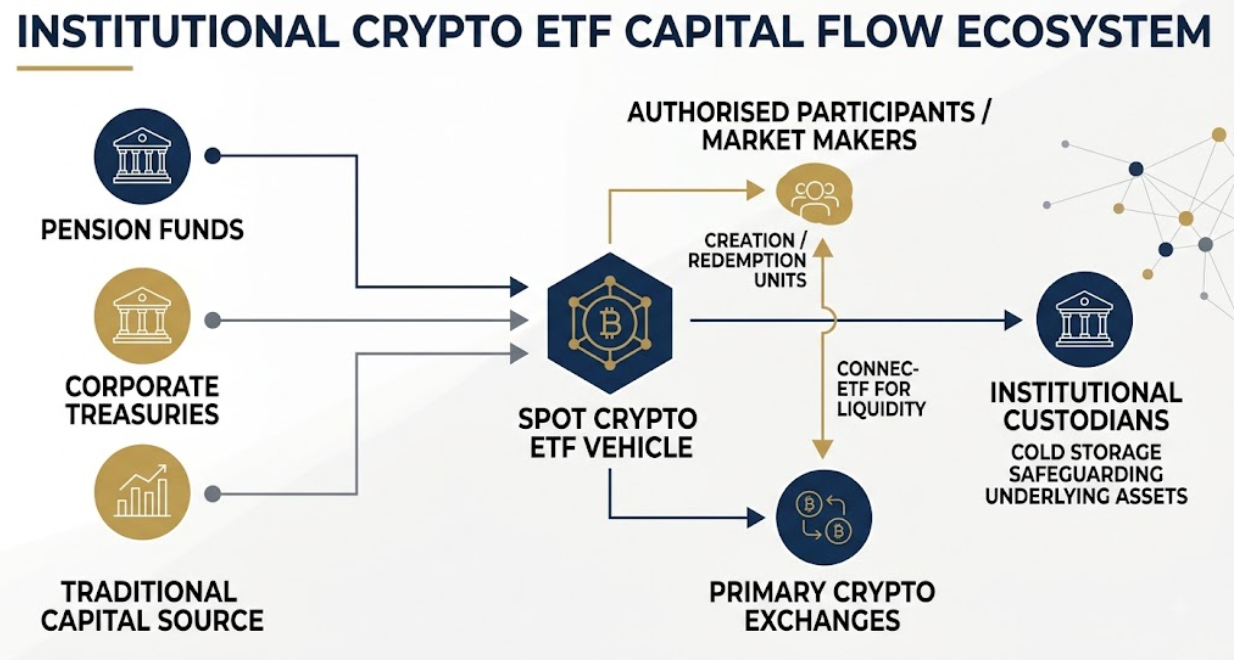 Figure 2: Institutional Crypto ETF Capital Flow Ecosystem
Institutional capital will continue to dictate price discovery and reduce speculative retail leverage. Asset allocation models will standardise crypto holdings alongside commodities and traditional equities. Institutional investors have permanently altered digital asset market structures through regulated fund channels.