
Ripple recently secured full MiCA authorisation in Luxembourg. This achievement triggers a push across the European crypto landscape.
The company plans to scale its European crypto business rapidly. This licence lets Ripple offer regulated payment services immediately. Ripple now supports stablecoin and institutional digital asset services. These offerings reach all 30 European Economic Area countries.
Europe forms a solid regulated base for the firm. Ripple wants to expand its core product lines here. This major EU crypto shift changes everything for the industry. Ripple moves from chasing approvals to attracting big institutions.
The company will process far more regional transactions now. Clients get one single regulatory framework for all services.
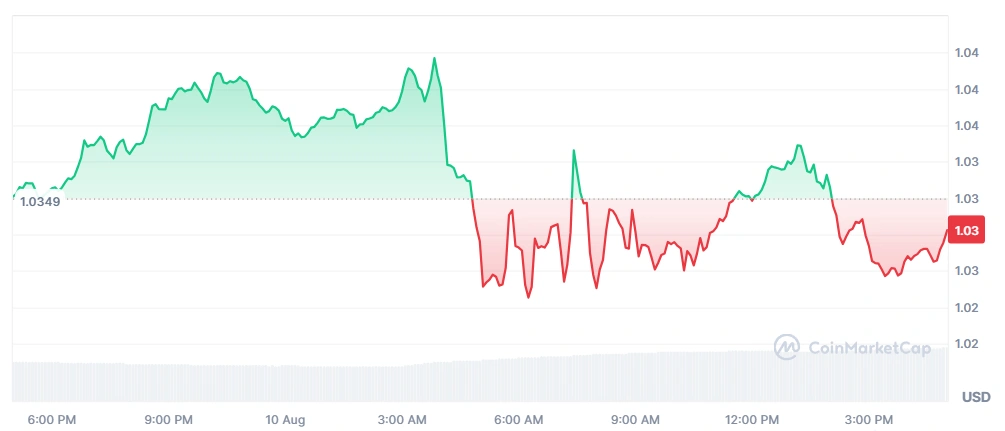
Fig 1: Ripple price chart 24h [coinmarketcap]
Securing the Critical CASP Licence
Luxembourg granted Ripple a crucial CASP authorisation in July. This regulatory green light confirmed full MiCA compliance. Ripple MiCA approval allows the firm to offer payments broadly. Financial institutions and corporations can access these products safely.
The firm received preliminary approval back in June. It then finished the entire authorisation process one month later. Cassie Craddock directs the UK and Europe teams for Ripple. She says the business remains fully compliant and ready.
European institutions desperately want regulated partners right now. They need help building secure digital asset services. Ripple also holds a valuable electronic money institution licence. The firm boasts more than 75 regulatory licences globally.
Understanding the MiCA Deadline
The MiCA transition period ended firmly on July 1. This deadline heavily disrupted unauthorised virtual asset service providers. Unlicensed providers cannot offer crypto asset services anymore. They must wind down their European operations in an orderly way.
These unauthorised firms cannot open any new client accounts. They also cannot advertise products or distribute services locally. Strict rules apply to overseas companies targeting European customers too. Only a very narrow exemption covers independent customer contact.
Ripple secured its licence right after this critical transition closed. The firm can safely approach banks and fintech companies. This regulatory advantage lets Ripple capture new institutional demand. The licence covers the actual business operations directly.
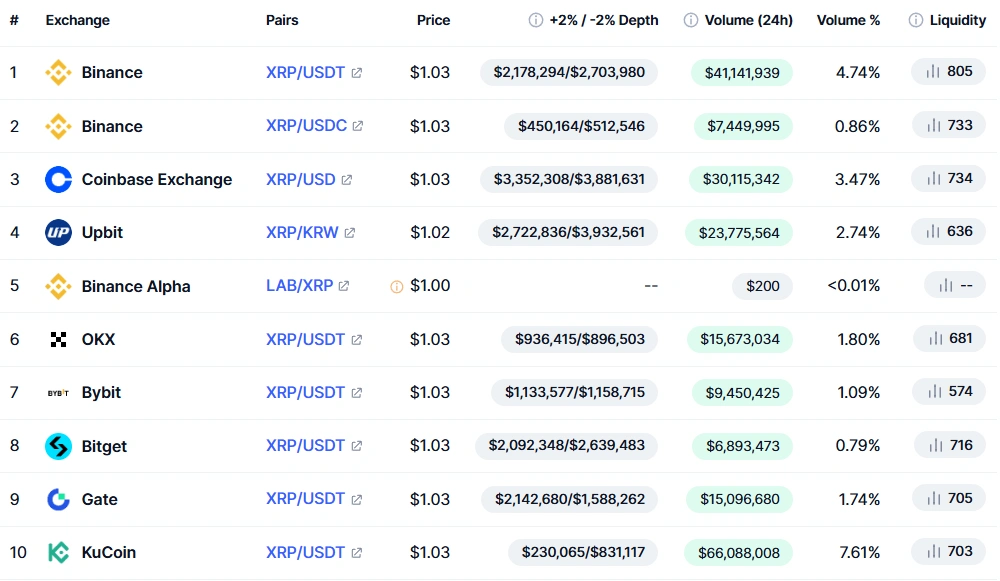
Fig 2: Top 10 XRP Markets list [coinmarketcap]
Stablecoins Drive the Next Growth Phase
Stablecoin payments lead this entire Ripple European market expansion. A recent survey highlights demand supporting this strategy. Ripple surveyed many European fintech leaders this year. Over 72% expect digital asset services to become completely necessary.
Financial institutions must adopt these solutions to stay competitive. Additionally, 48% expect stablecoin payments to become essential soon. Many expect this shift within just one or two years. Another 44% view stablecoins as the future default option.
They believe stablecoins will dominate cross-border payments within five years. The survey also revealed strong thoughts on cash flow. Roughly 65% see stablecoins dramatically improving cash flow efficiency. These digital assets free up vital working capital easily.
Ripple plans to target these specific treasury uses immediately. The firm will use its heavily regulated infrastructure here.
Scaling Operations Across European Borders
The Ripple payments network currently supports global scale. It handles payouts across more than 60 major markets. This impressive system uses 51 real-time payment rails daily. Ripple also partners actively with over 20 banking institutions.
The company reports over $100 billion in total processed volume. Ripple already provides custody technology to major European institutions. Clients like BBVA and DZ BANK use this infrastructure daily. These relationships cover retail and institutional digital asset custody.
The survey found 34% of European fintechs scaling digital assets. They use them aggressively for treasury and payment tasks. The global average only reached 27% in the same study. Europe clearly sits seven percentage points higher right now.
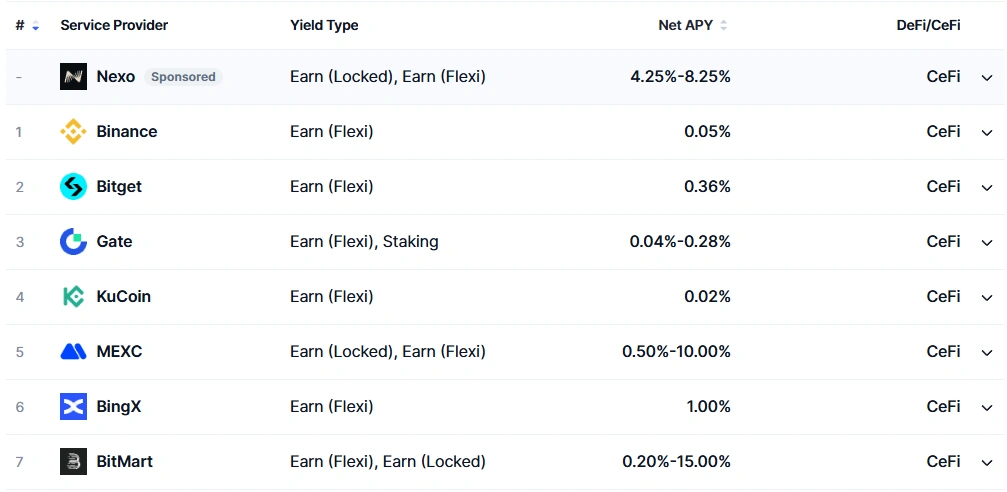
Fig 3: XRP Yield [coinmarketcap]
Preparing for the Ultimate Industry Test
Ripple says the vital regulatory groundwork is finally ready. The firm focuses entirely on scaling its operations today. Europe continues tightening its rules for crypto service providers. This environment strongly favours compliant companies like Ripple.
A single July approval opened all 30 EEA countries. The company views this moment as a clear starting point. Payments and digital asset infrastructure sit at the centre. This strategy capitalises on a brilliant regulatory reset completely.
Licensed providers can now confidently compete for corporate customers. Banks desperately need compliant digital asset infrastructure right away. Ripple secures regulatory clearance before pushing into institutional finance. This approach makes their expansion pitch incredibly powerful today.
Businesses get a new way to move money internationally. They can manage treasury operations without traditional banking networks. The biggest question involves actual customer adoption moving forward. Investors want to see higher transaction volume very soon.
The licence does not guarantee an immediate XRP price surge. It simply provides a huge legal advantage across Europe. Ripple must turn this regulatory access into real profits. The company intends to dominate the institutional payments space.
This EU crypto shift brings a competitive edge. Ripple MiCA approval serves as the ultimate growth catalyst. We will watch this Ripple European market expansion closely. The next few years look incredibly bright for them.
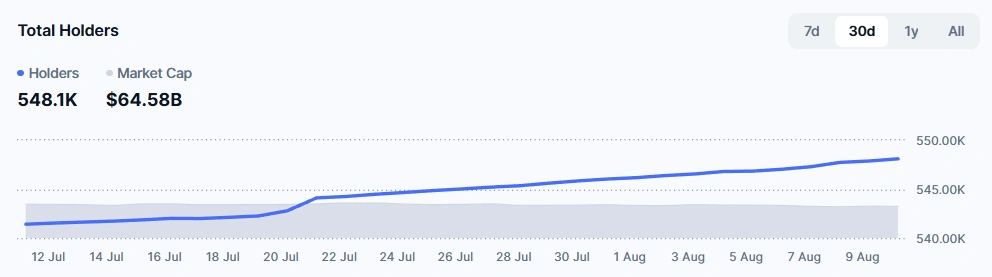
Fig 4: XRP Holders chart [coinmarketcap]
FAQ
Q: Does Ripple’s MiCA authorisation automatically drive up the price of XRP?
A: No, the licence approves operational payment infrastructure rather than directly influencing retail XRP trading prices.
Q: How does this EU licence unlock immediate commercial value for Ripple?
A: It allows Ripple to sell regulated cross-border payment and custody services seamlessly across all 30 EEA economies.
Q: What competitive edge does Ripple gain over unlicensed crypto firms in Europe?
A: Strict post-July rules force unlicensed rivals out, enabling Ripple to capture market share among risk-averse institutions.
Q: Why does European stablecoin adoption matter so much to institutional investors?
A: With 48% of regional fintechs seeking stablecoin rails, Ripple can rapidly scale high-volume corporate treasury processing.
Also read: Bitcoin Price Outlook: What the Next Few Months Could Mean for the $64K Market
Disclaimer
This article is meant only for informational purposes. If you are an investor who is watching crypto market closely, all the data published in the content is sourced from announcements and external sources. Kindly verify all information related to the share price and market data. Any investment should be made at the investor’s own risk.
Sources:
https://www.analyticsinsight.net/news/crypto-news-today-ripple-secures-mica-license-for-eu-expansion