
Few critics carry the name recognition of a former British Prime Minister, and when Boris Johnson described Bitcoin and other cryptocurrencies as a giant Ponzi scheme in a Daily Mail column, the response from the crypto world was swift.
Michael Saylor Bitcoin views, among the most widely followed in the industry, were front and centre within hours of Johnson’s remarks being published.

Figure 1: Illustration of Bitcoin blockchain technology and digital cryptocurrency networks [Courtesy: Freepik]
The exchange has reignited a broader debate about the Bitcoin outlook 2026 and whether institutional conviction or political scepticism will shape public perception of the asset class in the year ahead.
What Boris Johnson Said and Why It Sparked a Reaction?
A Personal Story Behind a Public Attack
Johnson framed his criticism around a personal anecdote involving a man from his local village who had invested in Bitcoin after being encouraged by someone he met at a pub.
The man initially put in GBP500, approximately US$661, with the expectation that his money would double. After years of confusion and various recovery fees, the man reportedly lost approximately GBP20,000, or US$26,446.
Johnson argued that stories like this are becoming increasingly common, particularly among older investors who may be less familiar with how crypto markets operate.
He warned that the more elderly people get caught up in Bitcoin-related losses, the faster disillusion with the entire industry will set in.
Johnson Questions Whether Bitcoin Has Any Value at All
Beyond individual losses, Johnson challenged the fundamental premise of Bitcoin as a store of value. Writing in the Daily Mail, he argued that unlike gold or even collectible assets such as trading cards.
Bitcoin exists only as a string of numbers stored on computers, with no government authority or institutional backing to underpin its worth.
Johnson drew on the historical example of Roman coins bearing the image of Caesar, arguing that currencies derive trust from the institutions that issue them.
Bitcoin, he contended, has no such authority behind it, and its entire value rests on the collective belief of its holders. He concluded that if that confidence were to melt away, the crypto industry’s weaknesses would be fully exposed.
Michael Saylor Bitcoin Views Cut Straight to the Point
Strategy Chairman Rejects the Ponzi Comparison
Michael Saylor, chairman of Strategy (NASDAQ: MSTR) and one of the most prominent institutional advocates for Bitcoin, responded directly to Johnson via X. His response drew a clear technical distinction between Bitcoin’s structure and the definition of a Ponzi scheme.

Figure 2: Michael Saylor speaking against the backdrop of Bitcoin imagery, reflecting his strong advocacy for the cryptocurrency [Courtesy: TheStreet]
Saylor stated that a Ponzi scheme requires a central operator promising returns and paying early investors with funds from later ones. Bitcoin, he argued, has no issuer, no promoter, and no guaranteed return.
It operates as an open, decentralised monetary network driven by code and market demand, a structure that is fundamentally incompatible with the Ponzi definition.
Strategy Holds Over 3% of Bitcoin’s Total Supply
Strategy’s position in the market gives Michael Saylor’s Bitcoin views considerable weight. The Company is currently the largest publicly traded Bitcoin treasury company in the world.
As of 14 Mar 2026, Strategy holds 738,731 BTC, representing approximately 3.52% of Bitcoin’s total fixed supply of 21 million coins. That level of institutional commitment represents a direct counterpoint to the narrative Johnson advanced.
For investors assessing the Bitcoin outlook 2026, the contrast between a former head of government dismissing the asset and the world’s largest corporate Bitcoin holder continuing to accumulate is a tension that is difficult to ignore.
Industry Outlook
Institutional participation in Bitcoin continues to grow in 2026, with governments, listed companies, and retail investors increasingly active across the crypto market.
The Bitcoin outlook 2026 remains shaped by two competing forces: growing adoption and treasury allocation on one side, and regulatory scepticism and consumer protection concerns on the other.
How Boris Johnson policies affect Bitcoin may be limited in direct market terms, but the broader political and regulatory tone in the United Kingdom and Europe continues to influence sentiment among new investors entering the market.

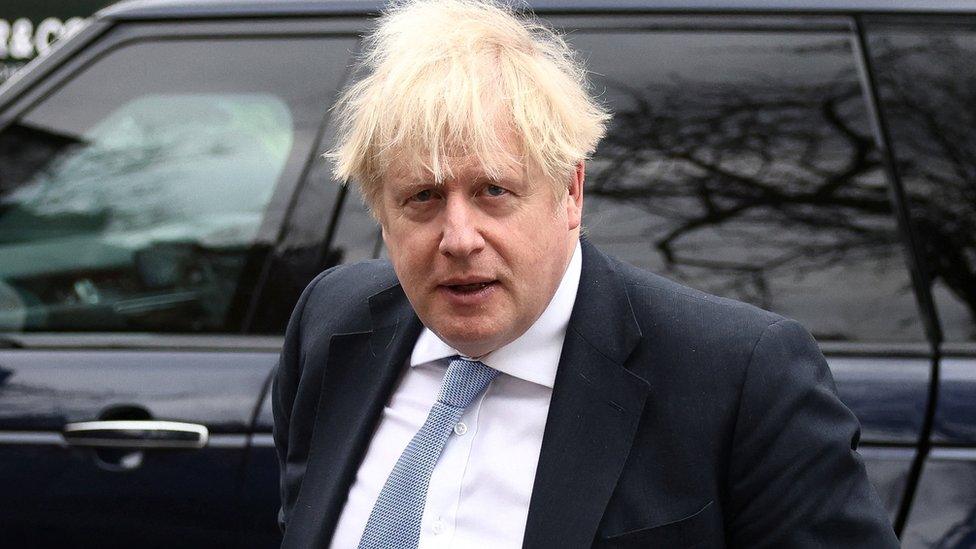
Figure 3: Former UK Prime Minister Boris Johnson, whose criticism of Bitcoin sparked debate across the crypto industry [Courtesy: BBC]
Future Direction and What It Means for Investors
The Johnson versus Saylor debate is unlikely to be the last of its kind. As Bitcoin’s profile grows and more institutional capital flows into the asset, scrutiny from political figures will intensify.
Michael Saylor Bitcoin views represent the conviction end of the argument, backed by one of the largest corporate Bitcoin positions ever assembled.
Johnson’s concerns, by contrast, reflect a regulatory and consumer protection perspective that will continue to shape policy discussions in the United Kingdom and beyond.
For those tracking the Bitcoin outlook 2026, the key question is whether institutional credibility continues to outpace political and regulatory pushback.
The answer to that question will depend in large part on how governments choose to respond to stories like the one Johnson described, and whether the industry can demonstrate a credible framework for protecting retail participants.
Frequently Asked Questions
Q1. What did Boris Johnson say about Bitcoin?
Ans. Writing in the Daily Mail, Johnson described Bitcoin and cryptocurrencies as a giant Ponzi scheme, arguing that their value depends entirely on a continuous supply of new investors rather than any intrinsic worth.
Q2. What are Michael Saylor Bitcoin views on the Ponzi accusation?
Ans. Saylor rejected the comparison directly, stating that a Ponzi scheme requires a central operator and promised returns. Bitcoin has no issuer, no promoter, and no guaranteed return, making it structurally different from any Ponzi scheme by definition.
Q3. What is the Bitcoin outlook 2026 following this debate?
Ans. Institutional accumulation continues, with Strategy holding over 738,000 BTC as of 14 Mar 2026. The Bitcoin outlook 2026 is shaped by growing adoption on one side and increasing political and regulatory scrutiny on the other.
Q4. How do Boris Johnson policies affect Bitcoin markets?
Ans. Johnson’s remarks carry reputational weight given his profile, but how Boris Johnson policies affect Bitcoin in direct market terms is limited. His comments are more likely to influence retail sentiment and regulatory discussions in the United Kingdom than to alter institutional positioning.
Q5. How much Bitcoin does Strategy hold?
Ans. As of 14 Mar 2026, Strategy holds 738,731 BTC, approximately 3.52% of Bitcoin’s total fixed supply of 21 million coins, making it the largest publicly traded Bitcoin treasury company in the world.
ALSO READ: Crypto vs Stocks: Which is Better for Aussie Investors in 2026?
Disclaimer This article is intended for informational purposes only and does not constitute financial or investment advice. All content is based on publicly available information sourced from TheStreet, published 14 Mar 2026. Investing in cryptocurrencies involves significant risk, including the possible loss of principal. Readers should conduct their own research and seek independent financial advice before making any investment decisions. Colitco does not hold any position in the assets or companies mentioned.
Sources
TheStreet, 14 Mar 2026 — Michael Saylor slams Boris Johnson’s harsh warnings on Bitcoin https://finance.yahoo.com/news/michael-saylor-slams-boris-johnsons-003030674.html