

Bitcoin operates as a decentralised electronic cash system. It lets two parties exchange value without any middleman. This breakthrough network holds $1.3 trillion valuation today. The U.S. dollar still dominates the entire global economy.
America has held global reserve currency status since 1944. The U.S. government borrows money at highly favourable interest rates. Foreign creditors desperately want to hold the global reserve currency. This setup helps explain their staggering $39 trillion federal debt.
The Current Global Financial Landscape
The government shows absolutely no signs of stopping this debt growth. America constantly imports far more goods than it actually exports. This constant consumption floods the worldwide economy with U.S. dollars. Global trade relies heavily on these ubiquitous U.S. dollars.
This powerful reserve status bolsters the entire American financial system. Deeply liquid capital markets support domestic equity and fixed-income securities. The American government can punish countries during severe geopolitical turmoil. They simply cut off access to vital international payment networks.
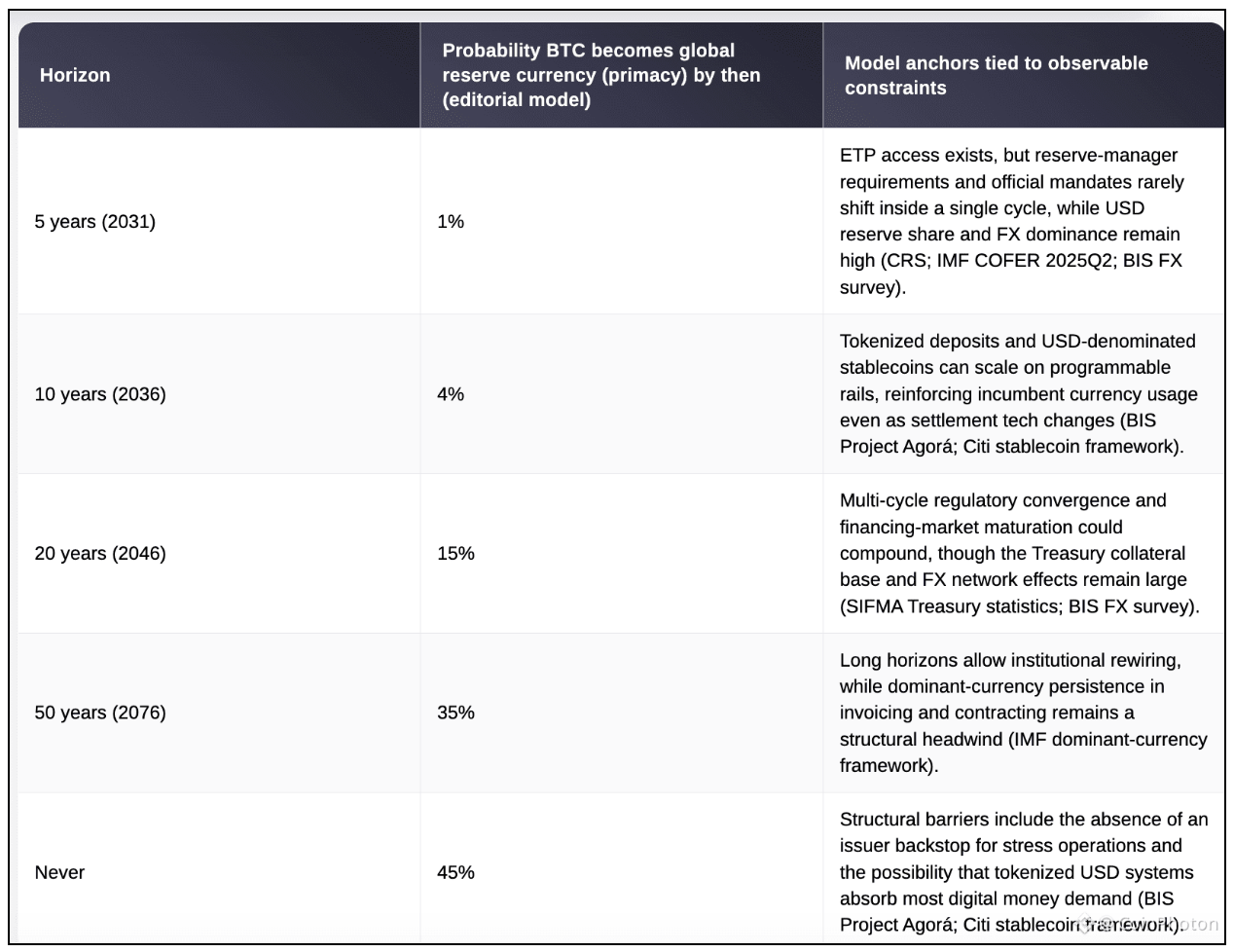 Fig 1: Probability table (editorial model) [binance.com]
Governments force individuals and corporations to adopt the dollar. This creates an incredibly powerful and entrenched global network effect. Many experts think replacing the U.S. dollar seems completely impossible. The U.S. Treasury market dominates the entire global financial ecosystem.
Outstanding Treasury securities totalled an enormous $30.3 trillion recently. Traders exchange roughly $1.047 trillion of these securities every day. This incredible daily liquidity makes the U.S. dollar practically invincible today.
History Favours the Digital Challenger
History shows that dominant fiat currencies always fail eventually. The Roman denarius and British pound both lost their crowns. Governments always destroy fiat currencies with excessive money printing. Global debt burdens also cripple these traditional fiat systems.
This reckless behaviour creates high inflation for everyday hard-working citizens. Citizens quickly lose their purchasing power and trust. A new challenger can emerge when people lose trust. We see this shift happening in our modern, tech-driven economy.
Many experts evaluate a bold Bitcoin 2030 prediction global outcome. Smart investors buy Bitcoin in case it replaces the dollar. Bitcoin has a fixed supply and a set inflation rate. This creates a compelling alternative to endless government money printing.
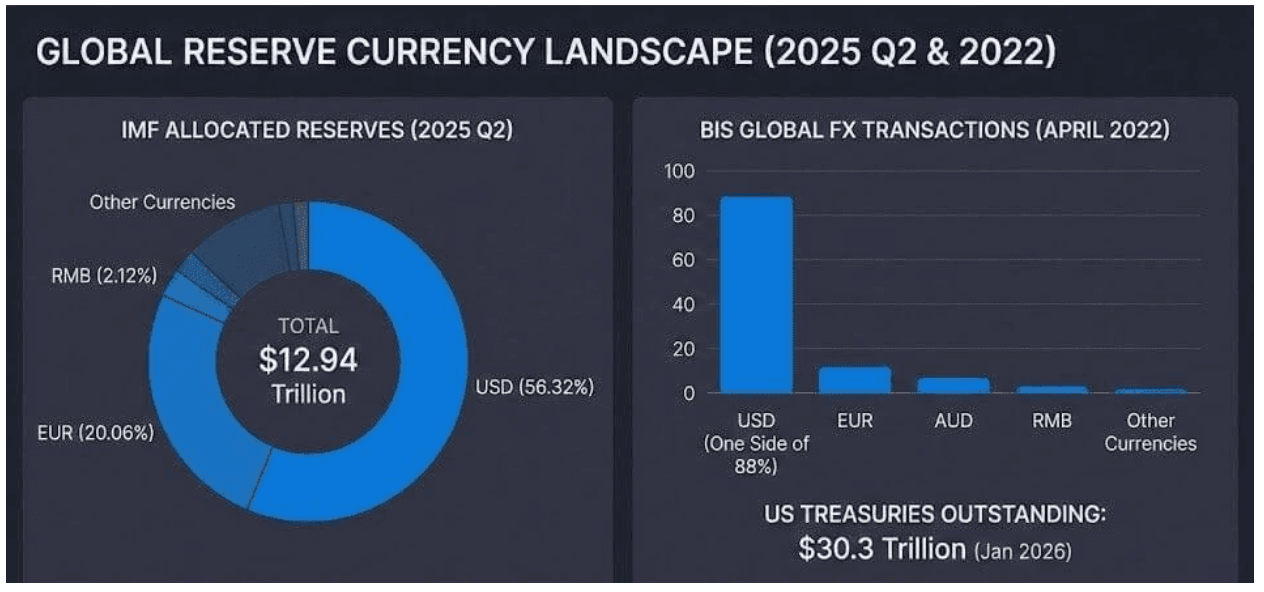 Fig 2: Global reserve currency landscape [binance.com]
The bears still think a complete replacement remains practically impossible. Bitcoin supporters strongly believe it will become the reserve currency. Modern citizens demand better financial solutions in our digital age. A fully electronic peer-to-peer cash system offers a brilliant alternative.
The age of artificial intelligence accelerates this inevitable financial transition. Investors recognise the enormous potential of this new monetary network.
The Stepping Stones to Global Dominance
We must understand the difference between two major adoption steps. Markets often incorrectly compress these distinct steps into one narrative. First, Bitcoin must achieve a clear reserve-asset breakthrough very soon. Institutions will hold Bitcoin as a long-term reserve diversifier.
Second, Bitcoin must reach full and unquestionable reserve-currency primacy. This means people use Bitcoin for standard cross-border financial settlements. We evaluate the Bitcoin global dominance forecast 2030 through this. The market has already opened doors for major institutional access.
The U.S. SEC approved 11 spot Bitcoin ETFs in 2024. This decision created standard investment vehicles for financial institutions. Spot crypto ETF trading volume quickly surpassed $2 trillion. Spot Bitcoin ETF assets hit $117 billion in January 2026.
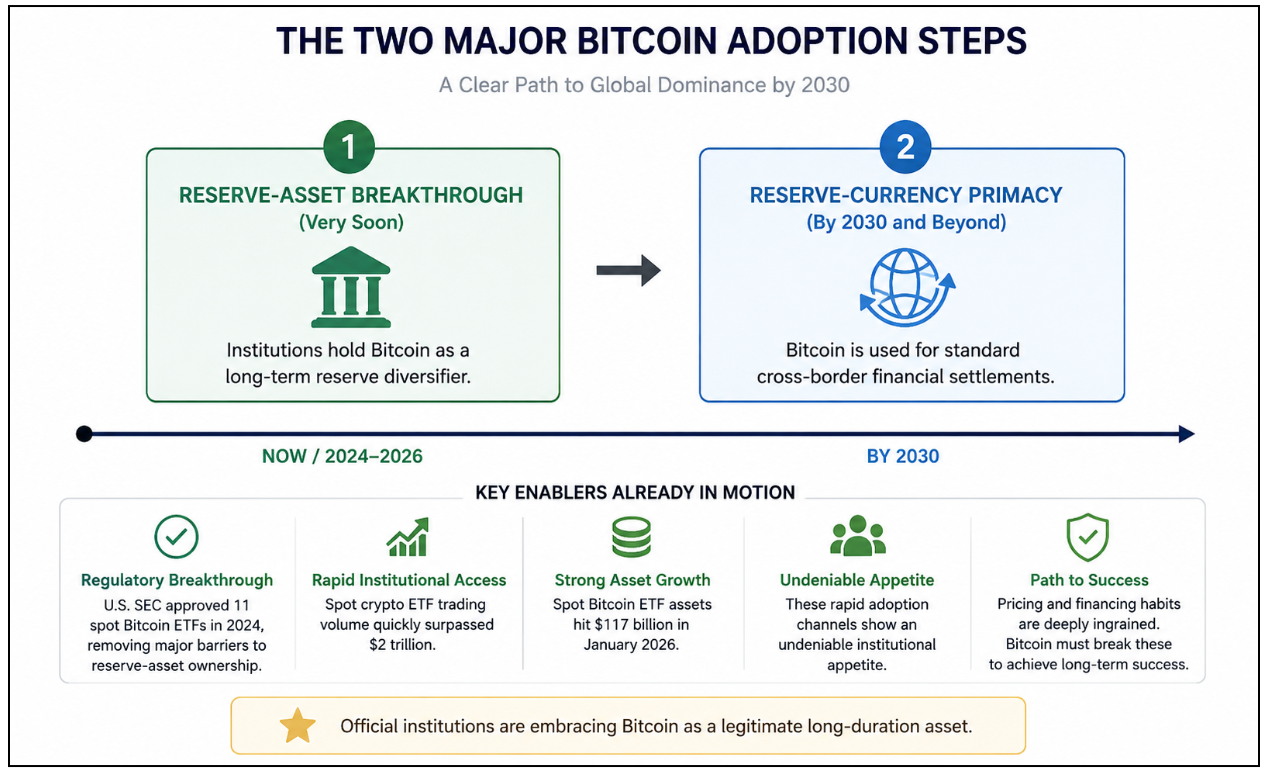 Fig 3: The Stepping Stones to Global Dominance [Crafmin]
These rapid adoption channels show an undeniable institutional appetite. Pricing and financing habits reinforce themselves during normal market conditions. These deeply ingrained habits persist even when global trade changes. Bitcoin must break these traditional habits to succeed long term.
Official institutions must embrace Bitcoin as a legitimate long-duration asset. Regulators finally removed major barriers to widespread reserve-asset ownership recently.
The Institutional Competition and Gold
Bitcoin still faces heavy competition from traditional safe-haven reserve assets. Central banks bought 1,045 metric tons of gold in 2024. They maintained this buying streak for three consecutive years. Central banks expect to increase their global gold reserves further.
These institutions prefer assets with established liquidity and accounting conventions. Central banks use gold to hedge their balance sheets. They also keep the U.S. dollar as their core reserve. In early 2025, the U.S. dollar held 57.74% of reserves.
Overcoming this immense global reserve base takes serious decades. The Bitcoin long term prediction Australia outlook requires intense patience. The euro only accounts for 20.06% of allocated global reserves. The renminbi sits at a tiny 2.12% of total reserves.
Central banks clearly prefer operating incredibly safe balance-sheet structures today. The dollar controlled one side of 88% of foreign-exchange transactions. U.S. Treasurys form the primary collateral core of this network. 95% of surveyed institutions expect gold reserves to rise.
Another 43% plan to increase their own personal gold holdings. These observable market flows constrain rapid sovereign Bitcoin adoption currently.
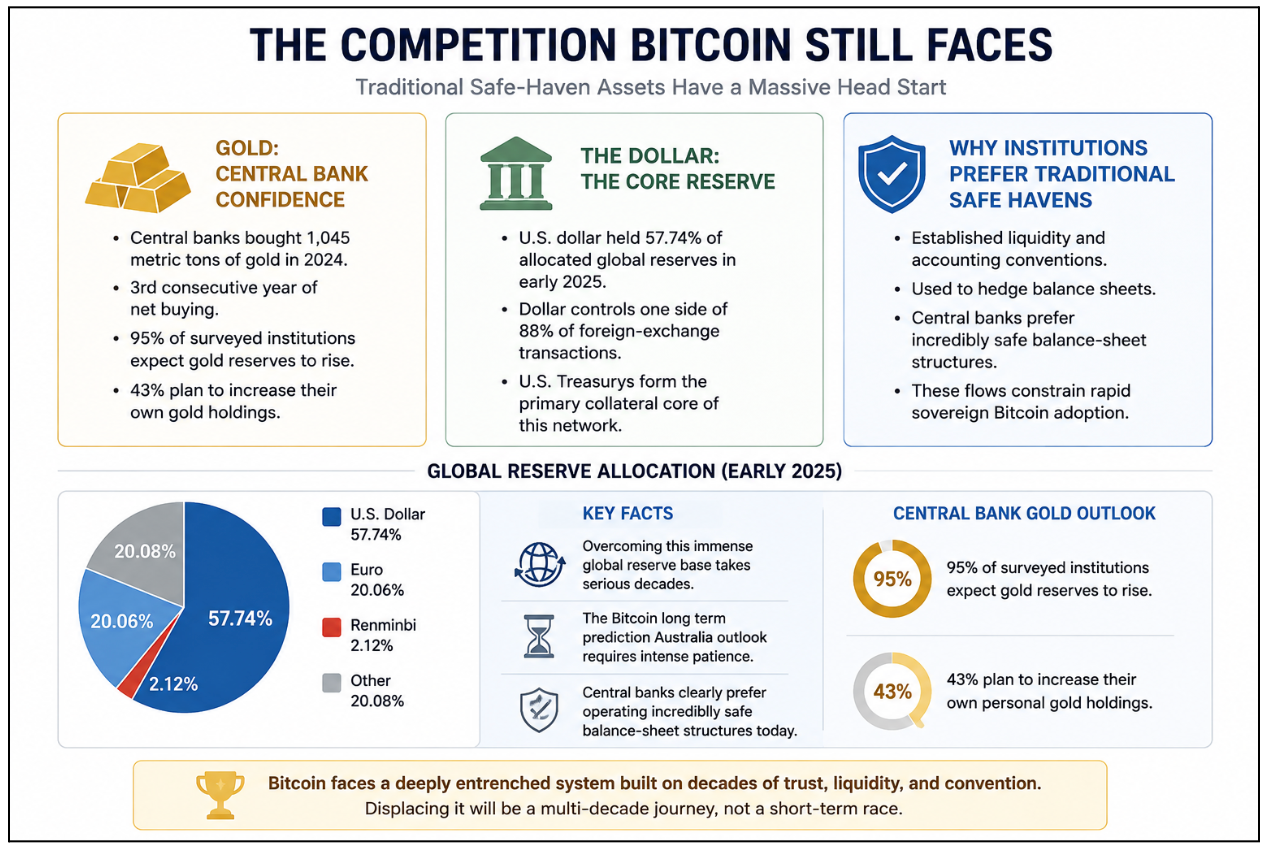 Fig 4: The Institutional Competition and Gold [Crafmin]
Overcoming the Technical Hurdles
Bitcoin must clear several hurdles to achieve global primacy. The network must compress its legendary price volatility significantly. Governments must implement clear legal and regulatory standardisation frameworks. Markets need deep funding networks that survive major financial stress.
Official sectors must make far more than just symbolic allocations. The world must shift standard settlement practices away from dollars. New policy and market infrastructure might extend dollar usage instead. The Bank for International Settlements explores tokenising central bank money.
They want to build programmable platforms for cross-border payments. Citi projects stablecoin issuance could hit $4.0 trillion by 2030. McKinsey believes real-world asset tokenisation could easily reach $2 trillion. Banks can digitise their balance sheets without changing the currency.
Macro data reveals the true scale of these immense hurdles. The Treasury collateral base anchors the entire global financial system. Major-currency settlements will likely remain the primary digital money objects. The technological interface evolves, but the underlying currency often stays.
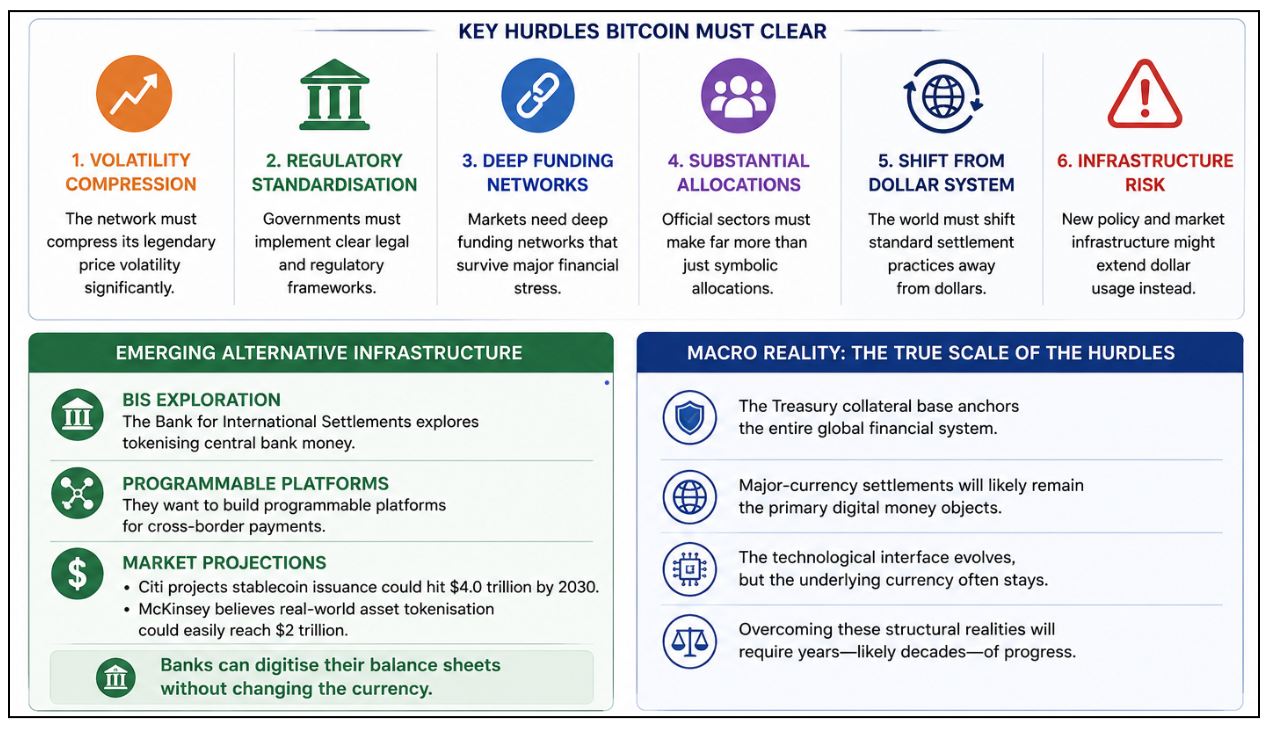 Fig 5: Overcoming the Technical Hurdles [Crafmin]
A Realistic Timeline for True Dominance
These strict constraints define our ultimate reserve-currency timeline clearly. A constrained model targets 2046 as the earliest plausible window. This 2046 window represents true global reserve-currency primacy for Bitcoin. We cannot reverse the global reserve system in one decade.
However, Bitcoin can become a small reserve asset much earlier. Tokenised bank money might reach trillion-dollar scale very soon. We must watch how Bitcoin matures into real liquidity infrastructure. Reserve managers must feel extremely confident holding it during crises.
Fast-moving channels will rapidly expand overall public Bitcoin exposure soon. Slow-moving channels strictly define ultimate global reserve-currency status. Banks will keep dollars at the centre of standard settlement. We treat official mandates and collateral frameworks as binding constraints.
International invoicing conventions also restrict sudden global currency shifts today. Analysts cannot place an exact probability on this bold scenario. The dominance of the U.S. dollar simply cannot be overstated. The future of digital money remains incredibly bright and exciting.
Also read: Australian Crypto Investors Flock to Decentralised Exchanges Amid Market Bans
FAQ
Q: Why are serious investors eyeing Bitcoin for long-term reserves?
A: It offers a decentralised, fixed-supply alternative to traditional fiat currencies that face constant money printing and debt.
Q: When realistically could Bitcoin reach true global reserve status?
A: Current macro models suggest the earliest plausible window for outright global primacy is around 2046.
Q: Is Bitcoin the only reserve asset major institutions are buying?
A: No, central banks still heavily favour established safe-haven assets like gold to hedge their massive balance sheets.
Q: How is major institutional capital actually entering the market today?
A: Massive trading volume now flows through regulated spot ETFs, giving major players a standard, secure investment wrapper.
Also read: Bitcoin Price Prediction 2026: Can $66K Resistance Trigger Next Bull Run
Disclaimer
This article is meant only for informational purposes. If you are an investor who is watching crypto market closely, all the data published in the content is sourced from announcements and external sources. Kindly verify all information related to the share price and market data. Any investment should be made at the investor’s own risk.
————————————–
Source:
https://finance.yahoo.com/markets/crypto/articles/could-bitcoin-become-worlds-digital-222000248.html