
The Trump administration has actively pursued the crypto industry, and for more than a year, aggressive efforts have been aimed at facilitating lax regulations in order to introduce cryptocurrencies into the American economy.
Even though the community would not be breached, the recent actions of the DOJ have caused a stir among the software developers. Bitcoin developers were sentenced to serve time in prison for the creation of privacy software, with Ethereum developer Roman Storm being put on trial and convicted of one of the charges and having been acquitted of two, awaiting a retrial.
Another case brought forward by Michael Lewellen was also thrown out by a judge in Texas, who stated that there was no threat of any kind and that there was no credible threat at all, which casts doubt on the uniformity of such protection to crypto developers.

Federal policies have left crypto privacy developers uncertain and anxious. [Courtesy: Emerge Laws]
Why Crypto Privacy Advocates Are Concerned
Peter Van Valkenburgh, the executive director of Coin Centre, said that the current situation left the developers between a rock and a hard place. Federal statements are in favour of developers, but the prosecutions are selective.
This inconsistency renders planning and innovation in privacy software very risky. Developers are afraid of being targeted even when they come up with valid, compliant tools.
The case in Texas against Lewellen confirms this view that crypto developers should be on the alert side since the discretion of the DOJ is unreliable. The controversy brings out a serious conflict between innovation, privacy, and law enforcement interests within the U.S. crypto arena.
Which Companies And Developers Are Affected?
DOJ actions have a direct effect on Bitcoin and Ethereum software developers. Ether developer Roman Storm has still been defaulting on legal pressure, and developers of Bitcoin have already been sentenced to jail.
Coin Centre, which is an advocacy group, funded the lawsuit of Michael Lewellen to take on the DOJ. The judicial investigation is cast on anyone who comes up with crypto privacy devices, which sends a chilling effect on innovations.
In the U.S., developers, start-ups, and privacy advocates are operating in a grey regulatory landscape with the potential legal ramifications of producing secure, anonymous programs remaining unpredictable.

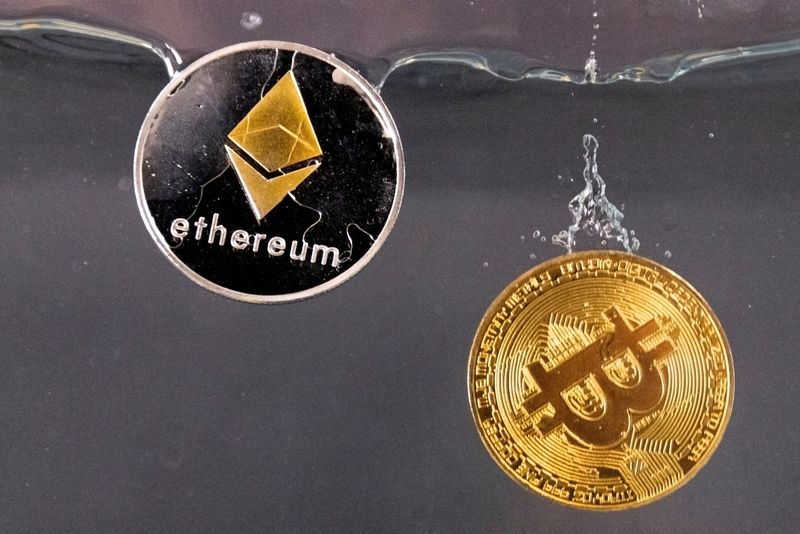
Ethereum and Bitcoin developers face legal uncertainty over privacy tools. [Courtesy: Investing,com]
Where And When Did These Legal Actions Occur?
The major legal developments occurred in the United States, especially Texas, at the beginning of 2026. Both developers of privacy tools were imprisoned by federal prosecutors several months following assurances of the DOJ that they would not prosecute the makers of privacy tools.
The filing of a retrial by Roman Storm took place in March 2026. This month, the ruling of the Texas federal judge that tossed the suit filed by Michael Lewellen occurred, which strengthened the fact that the DOJ has the freedom to prosecute.
All these developments are a pivotal point in the regulation of crypto in the United States, as the policy assurances might not match the reality of enforcement.
How These Policies Might Impact Crypto Innovation
In cracking down on some developers with a publicly stated defence, the DOJ risks killing innovation. Developers should now be cautious with the legal risk of developing privacy tools, which may slow the pace of technological innovations in blockchain anonymity.
Van Valkenburgh outlines that software developers are not responsible because users make such choices, but the existing legal system has the effect of turning such developers into law enforcers.
Without action, such policies may push the talent and projects abroad to influence the competitiveness of the U.S. in crypto privacy technology and the development of digital assets, in general.

Legal unpredictability threatens innovation in the U.S. crypto privacy sector. [Courtesy: AMl Cube]
The Broader Implications For Investors And Users
Regulatory signs should be paid attention to by investors and crypto users. Any hesitation in securing the privacy-minded cryptocurrencies by the developers would impact their adoption, and this would impact the market valuation.
Existing ETH-USD decreased by 4.17 and BTC-USD by 3.14, indicating the fear of investors in the face of legal threats. Regulatory consistency will play a vital role in ensuring trust in blockchain technology and privacy solutions.
The ambivalent messages of the Trump administration would impact the growth of the market and the stance of the U.S. in the international crypto market as developers consider where to establish safe and privacy-respecting platforms.
Regulatory Ambiguity Creates Developer Hesitation
The existing Trump crypto policy causes the developers to be uncertain about the legal boundaries, which delays the introduction of new software.
Most are afraid to develop privacy equipment, which can be scrutinised by the federal government, despite being compliant. Such uncertainty will not encourage innovation and can drive talent to more defined jurisdictions.
CoinCentrer cautions that developers must not suffer because of the way their software was used, but the uneven actions taken by the DOJ still breed fear throughout the U.S. crypto community.
Legal signals should be carefully followed by investors and startups because such ambiguity may transform the privacy-conscious part of the blockchain ecosystem.
Potential Global Implications For Crypto Privacy
Any legal actions against developers in the U.S. might have an impact on the worldwide adoption of crypto. Wary of unpredictable enforcement, privacy-oriented projects might be taken to foreign countries.
The safety and legality of using the U.S.-based platforms might be questioned by international investors and users. This has the potential to decrease American crypto market share and blockchain privacy innovation leadership.
According to the observers, the absence of developer protections is the major concern because it lacks coherence and consistency to remain competitive globally.
The ambivalent stance of the Trump administration can have a negative impact of promoting decentralisation in other nations, since the countries with stable policies will be more appealing to develop privacy software.
Also Read: Bankrupt Crypto Exchange Repayment Set For March 31
FAQs:
Q1: Why does this matter for the crypto market?
A1: Legal uncertainty discourages innovation, threatens privacy tool development, and could reduce investor confidence in U.S.-based crypto startups and projects.
Q2: Who is involved in the latest case?
A2: Key figures include Ethereum developer Roman Storm, Bitcoin developers, Michael Lewellen and the Trump DOJ, shaping U.S. crypto regulatory outcomes.
Q3: Where did the key legal ruling occur?
A3: A Texas federal court dismissed Lewellen’s lawsuit in March 2026, reinforcing DOJ discretion over prosecuting developers of privacy software.
Q4: How might this affect crypto innovation in the U.S.?
A4: Developers may limit privacy software creation or move projects abroad due to inconsistent legal enforcement and potential prosecution risks.
Q5: What happened to crypto privacy developers under Trump’s DOJ?
A5:Despite promises of protection, several crypto privacy developers faced prosecutions, with some imprisoned and others retried for creating privacy-focused software.
Disclaimer:
This article is based on publicly available information and news reports. It does not constitute financial, legal, or investment advice. Colitco is not responsible for any decisions made based on this content. Readers should conduct independent research and consult qualified professionals before acting on information related to crypto developers, policies, or investment opportunities.
Sources: