

Markets are moving beyond corporate earnings towards macroeconomic signals this week. Five major releases could influence equities and crypto assets. The Federal Reserve remains central to the outlook. The Fed raised rates to 3.75% to 4% on September 16. Its statement also said inflation remains elevated.
This keeps upcoming economic data firmly in focus. The data could influence expectations for the October meeting. Rate markets currently reflect roughly a 64% chance of another hike. Bitcoin trades near $84,728, according to the supplied BeInCrypto data. These developments form part of broader under-the-radar stock market trends.
They extend beyond company earnings and quarterly guidance. Investors are watching rates, inflation and economic resilience. Currency and bond markets could also transmit these moves globally.
That makes this week’s releases important post-earnings-season market catalysts. The key question is how markets interpret each release. A single reading may matter less than the combined direction.
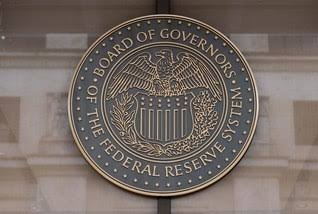
Federal Reserve policy remains central to global market expectations.
1. Bank Of Japan Minutes Put Yen And Bonds In Focus
The Bank of Japan published minutes from its July 30 and 31 meeting on September 28. The document provides insight into policymakers’ discussions. It also covers the period between two rate increases. Japan’s rate was raised to about 1% in June. It then reached about 1.25% on September 18. The September statement indicated further rate increases could continue.
The policy gap with the Federal Reserve remains significant. Japan’s rate still sits more than 2.5 percentage points below the Fed’s. Faster tightening expectations could narrow that gap. Such changes can affect global bond and currency markets.
Key assets to watch include:
- Japanese government bonds
- The yen and US Treasury yields
- Bitcoin and other risk-sensitive assets
These developments highlight one of the global equity market drivers 2026 investors are tracking. Currency movements can influence international capital flows. They can also affect valuations across developed markets.
2. PCE Inflation Could Shape Fed Expectations
Wednesday brings the Personal Consumption Expenditures index. The measure tracks US consumer spending and price changes. Its core version excludes volatile food and energy prices. The Federal Reserve closely monitors core PCE when assessing inflation.
Core PCE rose 3.3% in the year to July. August’s reading is forecast at 3.4%. The Federal Reserve’s target remains 2%. Spending is forecast to climb 0.5% in August. That would represent the biggest monthly increase in over a year.
The potential market impact extends across several assets:
- US Treasury yields and the dollar
- The S&P 500 and Nasdaq
- Bitcoin and other digital assets
A stronger inflation reading could reinforce rate concerns. A softer reading could alter expectations around future policy. The result could therefore become a major post-earnings-season market catalyst.
3. GDP Revision Tests Economic Resilience
The US economy also faces a key growth update on Wednesday. The BEA is scheduled to publish its third GDP estimate. The release covers second-quarter 2026 growth.
The second estimate showed growth of 1.5% at an annual rate. That compared with 2.1% growth during the first quarter. A stronger revision could indicate greater economic resilience. It could also provide more room for rates to remain elevated.
The release matters because growth and inflation remain closely connected. Stronger activity can support earnings expectations. It can also influence Treasury yields and currency valuations.
The main assets in focus include:
- US Treasury yields
- The US dollar
- The S&P 500
These figures add another layer to the under-the-radar stock market trends shaping sentiment. Investors may compare growth data with inflation signals. That comparison could influence broader market positioning.
4. ISM Manufacturing Offers A Business Pulse
Thursday brings the ISM Manufacturing Index. The survey tracks purchasing activity across US factories. A reading above 50 indicates manufacturing expansion. August’s index reached 54.6. July’s reading stood at 55.6.
The prices gauge remained elevated at 71.1. That suggests manufacturers continued to face higher input costs. The manufacturing sector expanded for the eighth consecutive month.
This data could affect several market segments:
- Industrial and manufacturing stocks
- Treasury yields and the US dollar
- Oil and commodity-linked companies
The manufacturing reading also offers clues about business momentum. Persistent price pressure could keep inflation concerns alive. That creates another link between economic data and monetary policy.
5. Payrolls Could Become The Week’s Biggest Catalyst
The week concludes with the September jobs report. Forecasters expect about 90,000 new jobs. That compares with 162,000 in August. Unemployment is expected to remain at 4.1%. The August payroll figure and unemployment rate were reported by the BLS.
Hourly wages increased 0.3% in August. A stronger jobs report could signal continued labour-market resilience. It could also support expectations for higher interest rates. A weaker result could shift attention towards economic cooling.
Potentially affected markets include:
- Treasury yields and the US dollar
- The S&P 500 and Nasdaq
- Gold and Bitcoin
The payroll report therefore sits among the most important global equity market drivers in 2026. It could also reshape expectations before the October Fed meeting.
What These Under-The-Radar Stock Market Trends Mean
Together, these releases create a broad economic test for markets. They cover monetary policy, inflation, growth, manufacturing and employment. Each data point offers a different view of economic conditions.
The Federal Reserve’s next meeting is scheduled for October 27 to 28. The week’s releases will arrive before that decision. The Fed’s September projections showed continued attention to inflation and employment.
The 10-year Treasury yield has also become an important market variable. Bond movements can influence equity valuations and crypto liquidity. That connection makes rates central to this week’s outlook.
For investors, the key issue is not one number alone. The direction across several indicators may matter more. These signals could define market narratives beyond earnings season.
Also Read: Ethereum Momentum and Remittix Presale Growth Signal a New Liquidity Cycle in Digital Assets
Frequently Asked Questions
Q1: What are under-the-radar stock market trends?
A1: They are market-moving developments outside major earnings announcements. They include inflation, rates, jobs, currencies and economic data.
Q2: Why are global equity market drivers for 2026 important this week?
A2: These drivers could influence interest-rate expectations and asset valuations. They also provide clues about the global economic outlook.
Q3: Which data release could affect Bitcoin?
A3: PCE inflation and payrolls could influence rate expectations and liquidity conditions. Those factors can affect Bitcoin alongside traditional risk assets.
Q4: When will the key US data be released?
A4: PCE inflation and GDP are scheduled for Wednesday, September 30. The September payroll report follows on Friday.
Disclaimer:
General info only. This is not investment advice. Markets can move in ways that do not line up with what many people think the economy will do. If you plan to take action, pause first. Think about the risk. Check the price. Consider how easy it is to buy or sell. Also look at your own circumstances. What happened in the past does not mean the next move will be the same. Both crypto and stocks can rise or fall fast and hard, in either direction.
