
Crypto fraud linked to the 2026 FIFA World Cup is now “taking off exponentially.” U.S. Law enforcement officials, federal agencies, and cybersecurity researchers have sounded the alarm, with criminal organizations launching operations ahead of the June 11 launch in the United States, Mexico and Canada.
The problem has manifested itself in several ways, from fake ticket storefronts and phishing websites that mimic the official FIFA pages, to phony cryptocurrency token projects, and fake payment schemes pushed on social media-all are designed with the same goal in mind: steal fans’ cash and personal information in their excitement for the tournament.
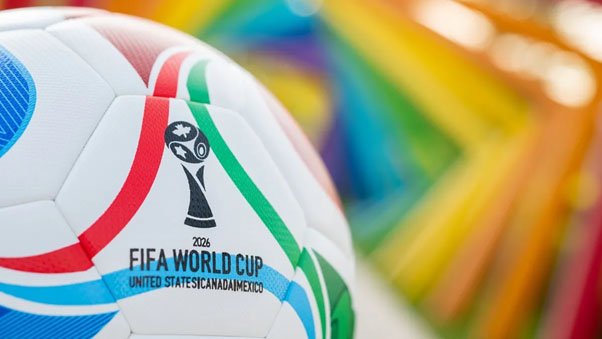
Crypto fraud linked to the 2026 FIFA World Cup. [Credit: Malwarebytes]
Law Enforcement Raises the Alarm
With the tournament nearly underway, federal and local police forces have come out with public warnings. The FBI’s Cyber Division says criminal organizations are busily setting up bogus websites made to mimic FIFA’s official ticketing page.
They do this with typosquatting – using similar spelling mistakes or alternate web suffixes for their fraudulent pages. One minor typing mistake or clicking on a sponsored link can send a fan to an almost identical copy, where their names, home addresses, telephone and email numbers, and their credit card or banking numbers will be snatched up.
The FBI issued this warning through the IC3 Internet Crime Complaint Center, asking fans to confirm the FIFA site as fifa.com by typing it directly in their web browser.
LA County Sheriff’s Office also released its own warning directed at local fans. The Sheriff’s Office stated that cybercriminals are creating phony FIFA websites and social media ads that mimic official ticket purchase and payment pages where login, personal, credit card and payment information of the user can be stolen.
The Sheriff’s Office was blunt in its advice: Fans are to go directly to the official FIFA website by typing in the URL and not click on sponsored ads, posts from social media, text messages, links via Telegram, links via WhatsApp, or suspiciously cheap/urgent offers.
The Los Angeles County Sheriff’s Department is warning residents about World Cup-related online scams targeting fans looking for tickets, hospitality packages, merchandise, streaming access, and betting opportunities.
Cybercriminals are creating fake FIFA websites and social… pic.twitter.com/788jSqIwCR
— LA County Sheriffs (@LASDHQ) June 3, 2026
Fans are urged by the Sheriff’s Office not to accept offers from sellers who demand payment via crypto, wire transfer, peer-to-peer payment app, and/or gift card, all of which the Sheriff’s Office referred to as methods that are unable or nearly impossible to reverse. Paper tickets, screenshots, and PDF files offered by private sellers should also be rejected outright.
Kent Police amplified the FBI’s alert on social media, warning football fans directly that multiple fake FIFA websites have been discovered. The force told fans to share the official site address with their social circles before purchasing anything related to the tournament.
Fake Tokens and Fraudulent Crypto Projects
Beyond the fake ticketing operations, researchers uncovered a parallel campaign targeting fans through fraudulent cryptocurrency projects dressed in FIFA branding.
Cybersecurity firm Malwarebytes documented several websites using FIFA’s visual identity and tournament branding to promote fake digital assets. One operation pitched itself as the official community token of the FIFA World Cup 2026.
The site advertised a Mega Airdrop, listed a total token supply of seven billion, and pinned a participant counter at forty-eight, a number chosen deliberately to match the count of qualified national teams. Every element was designed to make the project appear connected to the real tournament.
A second site went further, using FIFA’s official mascot and tournament graphics to sell an unlicensed token directly to fans browsing for World Cup content. Malwarebytes confirmed that none of the crypto projects it examined have any affiliation with FIFA.
Shahak Shalev, global head of scam and AI research at Malwarebytes, offered a clear explanation for why scammers gravitate toward crypto payment demands.
Cryptocurrency keeps operators anonymous, and transactions carry no practical reversal mechanism once funds leave a wallet. Shalev’s advice to fans was direct: treat any offer tied to crypto as a signal to stop and walk away.
Malwarebytes also noted that the scammers operate using a yearly content schedule. Their highest value opportunities come during large sports competitions, and the World Cup brings in hundreds of millions of people, the vast majority of whom are not typical crypto users and are more susceptible to falling for scams that will lose them their funds irreversibly in digital space.
Broader Crypto Fraud Backdrop
The World Cup fraud surge is arriving inside a wider environment of rising crypto crime, with data from major industry players confirming the trend.
Binance reported that its security infrastructure blocked twenty-two point nine million scam and phishing attempts during the first quarter of 2026 alone.
That figure represents a fifty-four percent rise from the previous quarter. The exchange said those defensive measures protected approximately one point nine eight billion dollars in user funds from being stolen during that period.
Industry analytics firm Chainalysis placed total crypto theft across all of 2025 at three point four billion dollars, a figure that reflects just how active criminal networks have become in targeting digital asset holders.
Bitdefender Labs rounded out the scenario, detecting fifty-five (plus) active football scams currently in circulation on the net; these campaigns range from fraudulent merchandise sites, social media scams, to piracy streaming, phantom football applications, and FIFA-branded giveaways.
Analysts observed how massive sporting events generate excellent environments for hackers, as the crowds will act quickly, not checking any information when they think that they’re running out of tickets or that the deals are too good to be true.
Also Read: Binance Opens US Stock Trading for Non-US Users With 7,000 Equities
How Fans Can Protect Themselves
Law enforcement officials and cybersecurity researchers agree on the essential first steps that fans should follow prior to spending on anything World Cup-related.
Fans should only ever type fifa.com directly into their web browser, as opposed to clicking on links from ads, texts, emails or social media messages, with each URL being thoroughly inspected before entering personal and financial data.
“Warnings about timers, flash sales or other urgent promotions should serve as cautions, not as incentives to hurry, and requests for payment via cryptocurrency, gift cards, money orders, wire transfers or other peer-to-peer payment services must be refused,” they write.
Those who suspect they have already fallen victim should take steps on a number of fronts. Contact local law enforcement as the first step, and notify banks and card providers to avoid being fleeced further.
Keep all of the evidence, such as the transaction log, the screenshots, and the emails, of course. You must also make a complaint to the FBI’s Internet Crime Complaint Center at ic3.gov.
The 2026 FIFA World Cup begins on June eleven and will be hosted by a group of nations including the USA, Canada, and Mexico.
Millions of fans are predicted to turn out over the course of the forty-eight-team competition’s group stage and knockout rounds.
Disclaimer
The information provided is not trading advice. Crafmin holds no liability for any investments made based on the information provided on this page. We strongly recommend independent research and/or consultation with a qualified professional before making any investment decisions.
Sources
https://crypto.news/fifa-faces-wave-of-crypto-scams-targeting-world-cup-fans/
https://decrypt.co/369919/world-cup-crypto-scams-targeting-soccer-fans-law-enforcement