

The global digital asset market experienced three major developments today. Bitcoin reclaimed the $65,000 mark after a sustained period of selling pressure. Concurrently, investment banking giant JPMorgan Chase and Co issued a research note warning about structural risks from the decentralised exchange Hyperliquid. Meanwhile, the European Central Bank advanced its sovereign digital currency project by publishing an updated operational framework.
The digital asset class led a broader recovery across risk assets as economic indicators improved. Buyers aggressively lifted the premier cryptocurrency from its previous floor near $62,000. The market movement altered trading sentiment across international financial centres.
The chart shows price resistance levels and trend support zones that technical traders monitor during market reversals. Investors analyze these baseline figures to track accumulation patterns following macro reporting data. The upward break past key indicators confirms shifting market momentum.
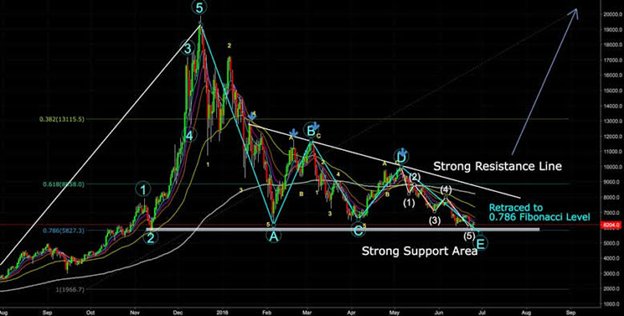
Figure 1: Bitcoin price trend mapping. [Source: Master The Crypto]
Ethereum also recorded gains, rising 5 per cent to reach a price of $1,873 during the upward move. Broader equity indices followed a matching trajectory, with the S&P 500 index adding 0.36 per cent. The Nasdaq index gained 1.12 per cent as macro anxiety receded across standard trading floors.
The market volatility index dropped by 3.85 per cent as investors welcomed the economic relief. This contraction in volatility typically encourages traders to deploy capital into digital assets. The shift reversed the persistent selling pressure that dominated the previous week of trading activity.
JPMorgan analysts focused their attention on the changing dynamics of the stablecoin sector. The bank highlighted how a new liquidity management arrangement modifies the revenue splits between dominant crypto firms. This specific development introduces margin compression risks for major stablecoin issuers.
In Europe, policymakers accelerated their timeline for the implementation of a central bank digital currency. The central bank distributed a new draft rulebook to institutional partners. This document outlines the legal and technical boundaries for the upcoming electronic currency ecosystem.
Why It Matters
These market movements directly affect retail investors and institutional market participants globally. The upward trajectory of Bitcoin signals a return of the traditional risk-on environment. Traders must adjust their strategies as macroeconomic data shifts the likelihood of central bank monetary policy adjustments.
The warnings from JPMorgan regarding Hyperliquid expose hidden vulnerabilities within the decentralised finance sector. Retail participants who utilise stablecoins like USD Coin could experience shifts in yield distributions and platform incentives. The restructuring of these financial models changes the profitability profile of major publicly traded cryptocurrency businesses.
The competition for yield-bearing stablecoins introduces structural changes to the cryptocurrency plumbing system. Other decentralised protocols will likely demand similar revenue-sharing terms from stablecoin issuers in the future. This trend could force issuers to accept utility-style returns rather than high banking-style profit margins.
The accelerating push for a digital euro signals a permanent shift in the global banking architecture. European citizens will eventually navigate a state-backed alternative to physical cash and commercial bank deposits. This transition alters personal privacy standards and sets a precedent for international currency controls.
The Main Movers
Multiple corporate entities, regulatory bodies, and economic sectors drive these market stories. The market price action primarily involves Bitcoin spot buyers, derivative traders, and institutional liquidity providers. Federal Reserve Chairman Kevin Warsh also occupies a central role as markets evaluate his next policy steps.
The stablecoin dispute features JPMorgan Chase and Co, Circle Internet Group Inc, and Coinbase Global Inc. The decentralised exchange Hyperliquid stands as the central counterparty disrupting the traditional status quo. Analysts led by Kenneth Worthington authored the critical report detailing the institutional tension.
The digital currency expansion involves the European Central Bank and the broader Eurosystem network. European Union governments, the European Parliament, and the European Commission coordinate the legislative negotiations. Commercial banks and public intermediaries within the Eurozone will manage the practical implementation phases.
Global Reach
The market developments span across multiple global regions and digital ecosystems. The Bitcoin price surge materialised across international digital asset exchanges, particularly impacting Asia-time trading sessions. The underlying macroeconomic catalyst originated inside the United States economic reporting bureaus.
The stablecoin revenue disruption affects corporate entities operating in both onshore and offshore jurisdictions. Circle and Coinbase manage their operations within the United States regulatory framework. Hyperliquid processes its high-volume derivatives transactions on an offshore Layer-1 blockchain network.
The sovereign currency initiatives concentrate within the member states of the Eurozone region. European legislative bodies host the ongoing policy debates. The decisions will eventually impact merchants and consumers across the entire European continent.

Figure 2: European Central Bank infrastructure [Source: Britannica]
The building serves as the administrative core where officials design the digital euro framework. The large Euro symbol highlights the centralized institutional backing of the currency. Policymakers control standard monetary implementation from this location.
Key Events Today
The synchronised market updates occurred throughout the day on Wednesday, 15 July 2026. The price of Bitcoin reacted immediately following the morning release of the latest inflation indices. JPMorgan published its analytical warnings during the same mid-July reporting cycle.
The European Central Bank published its version 0.91 draft rulebook earlier this month to prepare for the current legislative sessions. The current inter-institutional negotiations follow three years of preliminary research and conceptual design work. Policymakers aim to finalise the regulatory framework before the conclusion of the current calendar year.
Deep Dive & Forecast
The US Bureau of Labor Statistics triggered the market rally by releasing June consumer price index data. The nominal inflation rate dropped to 3.5 per cent year-on-year, beating the general market expectation of 3.8 per cent. This cooling inflation number immediately caused traders to scale back their expectations for further Federal Reserve interest rate hikes.
The energy index declined sharply by 5.7 per cent during the month, while gasoline prices plummeted 9.7 per cent. These specific reductions completely offset the incremental gains in housing and food costs. The macro relief allowed Bitcoin to break past its overhead resistance level near $64,000.
The Hyperliquid situation involves a complex yield-sharing arrangement that threatens corporate profit margins. Hyperliquid currently holds approximately $6 billion in USD Coin, which represents 8 per cent of the total circulating supply. Under the current contract, Coinbase acts as the official liquidity manager but routes 90 per cent of the asset yield back to Hyperliquid.
Hyperliquid uses these redirected funds to conduct regular native token buybacks, increasing the market value of its own digital asset. JPMorgan views this dynamic as a classic prisoner’s dilemma that forces Coinbase and Circle to compete aggressively against each other. The bank expects the financial consequences to appear in corporate earnings reports during the second half of the year.
Also Read: The Ultimate Crypto Dilemma for Aussie Investors
Kenneth Worthington expressed corporate concerns regarding the sustainability of the current stablecoin revenue arrangements. “We think the change in the Hyperliquid relationship showcases the challenge for Circle and Coinbase partnership agreements because it can create ‘a prisoner’s dilemma’ that drives Coinbase and Circle to compete with each other when promoting USDC distribution,” analysts led by Kenneth Worthington said in the report. The comment outlines the friction between traditional issuing entities and high-velocity decentralised platforms.
The European Central Bank intends to establish a formal approval date for the digital euro on 1 January 2027. This date marks exactly twenty-five years since the introduction of physical euro banknotes and coins. The central bank will initiate a pilot programme involving approximately forty banks and payment companies next year.
The proposed legislation imposes a strict holding limit of approximately €3,000 per person to protect commercial banking stability. Furthermore, these digital balances will not earn any interest, discouraging large-scale capital flight from traditional accounts. The authorities project a full public rollout of the sovereign digital asset by 2029.
The digital euro will feature an offline payment mode to permit transactions without active internet connectivity. This specific mechanism protects user privacy because the system only records the resulting changes in account balances. The proposed legislation requires most merchants to accept the asset, but exempts small enterprises that reject all forms of digital payment.
At a Glance: Market Metrics
- Bitcoin reached a daily high of $64,988.65, representing a 4 per cent increase within the twenty-four hour period.
- The United States nominal consumer price index dropped to 3.5 per cent year-on-year from the previous 4.2 per cent print.
- The United States core consumer price index reached 2.6 per cent, falling below the market forecast of 2.8 per cent.
- Hyperliquid processed more than $150 billion in total transaction volume during the month of July.
- The volume ratio between Hyperliquid and Binance officially reached the 11.89 per cent milestone following a 47 per cent month-over-month volume surge.
- Coinbase agreed to route 90 per cent of the stablecoin reserve yield back to the Hyperliquid platform under the terms of the revised agreement.
- Implementing the digital euro framework will cost the commercial banking sector between €4 billion and €5.8 billion in total upgrades.
Macroeconomic Snapshot
| Event Focus | Primary Catalyst | Key Institutional Entity | Core Financial Metric |
| Bitcoin Surge | Cooling US inflation data | US Bureau of Labor Statistics | $65,000 price target |
| Hyperliquid Risk | Revised yield-sharing terms | JPMorgan Chase and Co | $6 billion USDC supply |
| Digital Euro Push | Version 0.91 rulebook release | European Central Bank | €3,000 holding cap |
Disclaimer: This article is for informational purposes only and does not constitute financial, investment, or legal advice. The content reflects current market analysis at the time of writing. Readers should conduct their own research or consult with a qualified professional before making any financial decisions.