

The reduction of the Bitcoin sellside is beginning to convert the near-term market dynamics in international crypto desks. New information published on Yahoo Finance indicates that exchange deposits are decelerating.
The move lowers the instantaneous provision to centralised trading platforms. Analysts believe that this tendency usually stabilises the fluctuation of prices. These flows are closely monitored by investors as it indicates the intention before price swings of large magnitude happen.
The reduction of the coins in the exchanges usually implies the reduced urgency to sell. That has been one of the dynamics that has aided the market in halting recent falls.
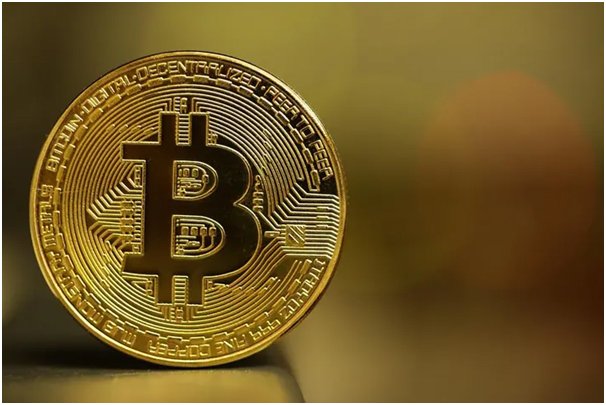
Bitcoin exchange inflow and trading activity reflect the shifting trends in the selling pressure. [Forbes]
Exchange Deposits Fall While Volumes Cool
The analysis of Bitcoin deposits in blockchain analytics company CryptoQuant showed a dramatic reduction in January. Inflows of exchange were approximately 60,000 BTC on February 6.
Prices then hovered near $60,000. Meanwhile, average deposits have gone down to about 23,000 BTC in the past 7 days. The company announced that the severe sell-off process seems to have subsided.
Reduced inflows would mean weak Bitcoin selling pressure. This moderation is in favour of short-term stability. According to traders, it is an indication that panic selling is over. Nonetheless, the flows are still high compared to previous months.
What Are Bitcoin Whales Doing Differently?
Large holders continue to be sellers in spite of the overall lighter inflows. There is an increase in the CryptoQuant Exchange Whale Ratio, which is now at 0.64. It is the first high level of reading since 2015.
It implies that 64% of the deposits were held by the 10 largest wallets. Whales are leading current transactions, indicated by such concentration. Smaller investors are not so aggressive. Large actors can easily shift the markets as they are large.
Their behaviour maintains certain Bitcoin selling pressure. Such an imbalance provokes uncertainty when total deposits are reduced.

Big depositors or whales keep controlling Bitcoin deposits to exchanges. [CryptoSlate]
Price History Shows Redistribution Phase
The recent cycle in Bitcoin has had extreme changes that reflect these flows. In October, Bitcoin had reached $126,080. Such a move was a new all-time high. The asset has since declined 46 per cent to approximately 67,582.
Analysts refer to the period as wholesale redistribution. Coins were passed on in batches to long-term holders. This rotation can be found in the late bull or early bear movements.
Patient wallet supply moves to the speculative traders. These transitions normally prolong volatility. The depth of the market is thus weak despite the pressure taken off.
Could Bitcoin Price Analysis Point To $55,000?
Additional Bitcoin price projections indicate that there is still danger. CryptoQuant pegs an ultimate bear market bottom at about $55,000. Liquidity in the exchanges of Stablecoins is also becoming thin.
Reduced stocks of Tether diminish the purchasing power in the short term. Traditionally, the rallies are preceded by increasing deposits of stablecoins. The present state of affairs reflects the reverse scenario.
The users of the prediction market on Dastan websites anticipate a larger decline. The possibility of reaching 55,000 and then 84,000 is seen as having a greater likelihood in a lot of people. This is the attitude that keeps traders on their guard.
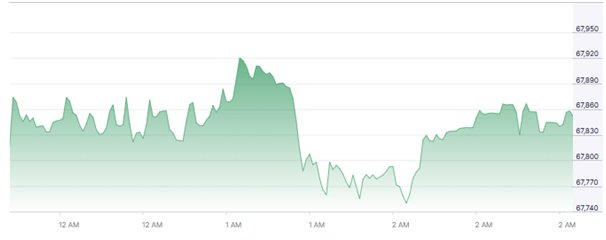
Bitcoin price dips before stabilising as overnight trading volumes recover. [Nasdaq]
Outlook Suggests Measured Recovery Ahead
There is a relief in markets by decreasing the Bitcoin sell pressure. But whale supremacy makes doubt of a swift recovery. Players in institutions can be allowed to wait until they get more liquidity indicators.
Retail traders remain dieting exposure. Short-term movements may remain volatile within specified limits. The structural case of the asset continues to be based on its longer-term adoption.
But momentum needs to involve more than merely selling. Investors will also keep watch on exchange inflows and balances in stablecoins. Sentiment is now directed by these metrics rather than headlines.
Market Sentiment Remains Cautious Amid Mixed Signals
Investor sentiment remains fragile as traders weigh easing Bitcoin sell pressure against persistent whale activity. Reduced exchange inflows suggest cooling panic, yet concentrated deposits still threaten volatility.
Many participants prefer short-term positions over long-term exposure. Liquidity conditions also appear thinner across major venues. This cautious stance may limit sharp rebounds.
Until broader demand returns, price movements are likely to stay range-bound and reactive to on-chain signals.
Also Read: Bitcoin Derivatives Open Interest Slides As Traders Cut Risk
FAQs
Q1: What does easing Bitcoin sell pressure mean?
A1: It means fewer coins are moving to exchanges for sale, reducing immediate supply.
Q2: Why are whales important in Bitcoin markets?
A2: Whales control large volumes and can influence prices with single transactions.
Q3: What level do analysts see as support?
A3: Some analytics suggest a potential bottom near $55,000.
Q4: How does stablecoin liquidity affect Bitcoin?
A4: Higher stablecoin deposits often fuel buying and support rallies.