

The U.S. government unveiled significant changes in its crypto policies. Federal Reserve makes a skinny master account update. President Donald Trump also issued executive orders that back digital asset integration.
The developments could boost crypto’s ability to integrate into the traditional payment system. The reforms also bring greater transparency under the Bank Secrecy Act. Now, industry participants are hoping for more Congressional and agency regulatory discussions.
The suggestions are thought to have an impact on the global crypto market. There is a push by policymakers to find a balance between innovation and financial control. The developments came at a crucial time for global crypto regulation.
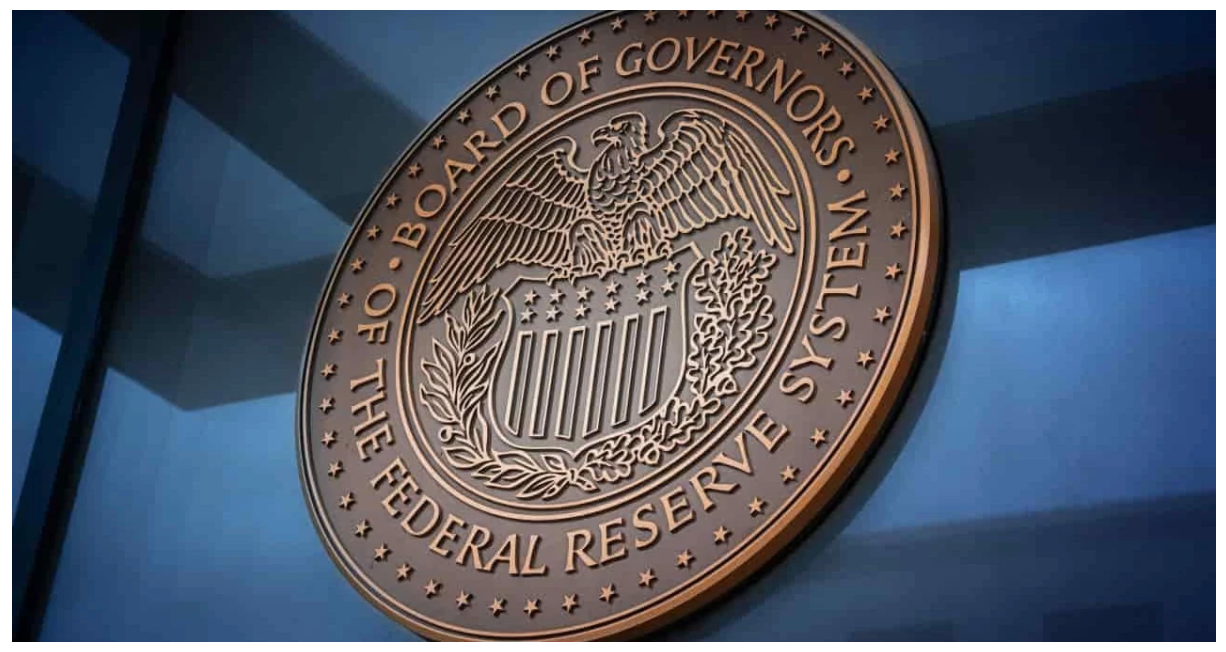 The Federal Reserve’s skinny master account proposal for crypto has been updated. [Courtesy: Crypto Briefing]
Why Crypto And The Fed Discussions Matter Globally
The new Fed proposal is meant to empower fintech and crypto firms to access payment rails. Proposed changes include further elaboration of information previously released in December 2025.
The framework provides that qualifying companies can receive payment without having to become full-fledged OCC chartered banks. The decision could also simplify the way digital asset companies can operate.
Access to payments is a critical component for wider crypto adoption, according to industry experts. More efficient transactions could also be achieved through faster settlement systems.
World investors are keeping an eye on the United States. In fact, many countries are already investigating central bank digital currencies and regulated blockchain systems. America’s strategy could have ramifications for future international standards and investor confidence in all digital finance fields.
How Donald Trump’s Executive Orders Support Digital Assets
President Donald Trump issued two executive orders on Tuesday to help broaden financial reforms. One order called for agencies to make improvements to integrating cryptocurrency into current payment systems. New rules for regulated institutions/fintech partnerships are now under regulatory review.
The second order bolstered enforcement and oversight of the Bank Secrecy Act. The administration emphasised issues of illegal money transactions and currency transfers. Treasury could provide further guidance for unregistered payment processors and shell companies.
Individuals in decentralised finance platforms may also be indirectly subjected to scrutiny, analysts warn. Treasury has not yet given any clarity on the regulations, which are yet to be finalised with detailed recommendations.
But markets saw the orders as a significant but positive move in regard to compliance and financial innovation.
What The Skinny Master Account Proposal Could Change
The Federal Reserve proposal could have a huge impact on the crypto banking landscape in the U.S. It has been challenging for multiple digital asset firms to gain access to payment accounts.
Banks have compliance challenges and limitations. The proposed update delves into other routes available to regulated financial technology companies. The revised guidance will allow member banks of the Federal Reserve to make their own assessment for payment account access.
Legislation outlining the criteria for eligible firms may still be required by Congress. However, several industry observers feel that collaboration is still needed with the legislature for long-term success.
Growth of institutional recognition of digital finance is reflected in the proposal. Crypto companies are still looking for secure payment solutions that can assist with consistent growth.
 Cryptocurrencies want more access to the Fed payment system. [Courtesy: CryptoSlate]
Why Bank Secrecy Act Reforms Raise Industry Questions
The executive order has intensified debate across the financial and digital payments sectors. Industry participants now await detailed Treasury guidance on future enforcement measures.
- The executive order on enforcing the Bank Secrecy Act triggered immediate industry discussion.
- The Treasury may soon issue guidance for financial institutions and payment providers.
- Payroll tax evasion and unregistered businesses were highlighted as major concerns.
- Peer-to-peer payment systems used for unreported transactions also drew attention.
- Cryptocurrencies were not directly referenced in the executive order.
- However, experts expect stricter oversight of decentralised finance companies.
- Cato Institute analyst Nicholas Anthony noted the Treasury’s broad enforcement powers.
- The digital asset industry is waiting for clarity on implementation measures.
- Operators handling digital assets may face expanded compliance obligations.
- Potential requirements could include cross-border payment monitoring and customer transaction checks.
Senate Negotiations Continue Around The Clarity Act
The Senate Banking Committee recently made significant progress with the Clarity Act, which was discussed at length during the Committee.
The lawmakers had hoped to have a more wide-ranging debate in the Senate in the next month. But progress was hampered by scheduling problems before Memorial Day recess.
The Senate failed to act on several big pieces of legislation in Washington. They include reconciliation funding and renewal of the Foreign Intelligence Surveillance Act. There are still a few days left in the congressional work schedule before summer recess.
There is also the possibility of having housing legislation take up floor time in the Senate. There were additional negotiations after disagreements over money requests from the White House in relation to its political issues.
The ethics provisions under the Clarity Act have not yet been resolved. Therefore, the upcoming bipartisan compromise and the scheduling of legislation are crucial to regulatory clarity for the cryptocurrency market.
Key Policy Developments Investors Should Watch Closely
There are some key factors to keep an eye on in the coming months for investors and crypto businesses alike. These include:
- Determination of eligibility of payment accounts by the Federal Reserve.
- Bank Secrecy Act (BSA) guidance provided by the Treasury.
- In the Senate, the debate on the Clarity Act is underway.
- Congressional action with respect to crypto banking legislation.Congressional action regarding crypto banking law.
- Regulatory Approach to Decentralised Finance Platforms
- To make the transition to institutional crypto payment systems.
All of these developments could have repercussions for the confidence and capital flows of the market on a global scale. Big financial institutions are more and more researching blockchain settlement solutions and tokenised payment systems. One of the biggest issues the sector is facing is regulatory uncertainty. A lot of investors see how Washington is going to dole out the policy as essential to the long-term institutionalisation of cryptos and their integration into the financial system.
 Congress remains divided on cryptocurrency laws and changes to the legal framework. [Courtesy: The Hindu]
Crypto and the Fed relationship: What comes next?
The federal regulators/cryptocurrency relationship is still evolving rapidly. The Fed’s latest move reflects a preparedness to be accommodative toward fintech. New government involvement in digital finance is also highlighted in President Donald Trump’s executive orders.
But there remain compliance issues that remain unresolved, which leaves confusion for crypto companies and investors. Bank Secrecy Act guidance by the Treasury will have a dramatic impact on industry operations.
Additional congressional negotiations about the Clarity Act also continue to be significant. Regulators and lawmakers have many announcements on their way, and there is keen interest in the financial markets in what will come next. The next few months will be key to the success of digital assets in traditional payment systems while adhering to national security and financial stability goals.
Also Read: Federal Reserve Split Rate Cuts: The Real Balancing Act
FAQs
Q1: What Is The Skinny Master Account Proposal?
A1: The proposal allows eligible fintech and crypto firms payment access without becoming full OCC-chartered banks. It may simplify digital payment participation.
Q2: Why Did Donald Trump Sign Crypto Executive Orders?
A2: The orders aim to improve digital asset integration and strengthen financial oversight. They also target illicit payment activities and compliance risks.
Q3: What Is The Clarity Act?
A3: A proposed piece of legislation in the USA to reform the structure of the cryptocurrency market and its regulation. Senate talks on ethics rules and other overhaul moves on.
Q4: How Could These Policies Affect Crypto Investors?
A4: More widely available payments can boost institutional uptake and market confidence. Roughly, higher standards of compliance may also increase the cost of doing business for crypto enterprises, however.
Disclaimer:
This article provides information only and is not a financial, legal or investment recommendation. Regulations for cryptocurrencies are still evolving and differ from one jurisdiction to another. The reader should make independent investment decisions and contact a licensed financial professional for any investment related to a policy development for digital assets, fintech firms or cryptocurrency markets. Crafmin is not responsible for any particular digital asset, financial product or legal stance presented in this article.
Source Links:
https://www.paymentsjournal.com/the-feds-payment-rails-could-soon-open-to-crypto-firms/