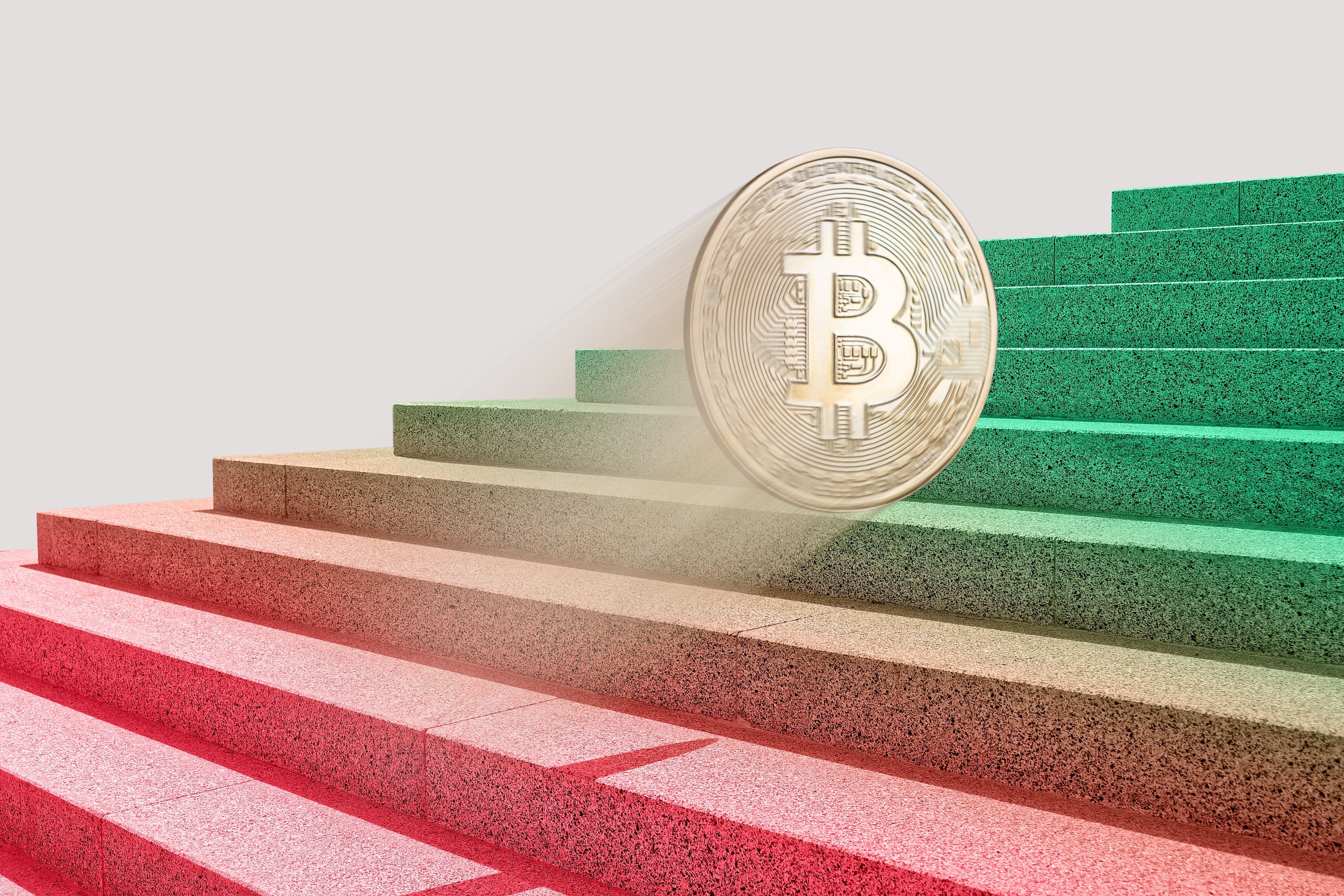
The price of Bitcoin fell to less than 71,000 with new inflation fears shaking the investment confidence of investors in the world markets. The fall was preceded by new fears that the central banks can postpone anticipated rate cuts in 2026.
Macroeconomic uncertainty prompted investors to be more risk-averse in all financial assets, such as cryptocurrencies. The relocation indicates market thinking as opposed to a crypto-specific problem, with traders reevaluating expectations on monetary easing policies.
Analysts have observed that inflation is still continuing to beat on the high side, and this has given markets a second thought about why they may have to rethink their earlier pessimistic expectations of the rate cuts.
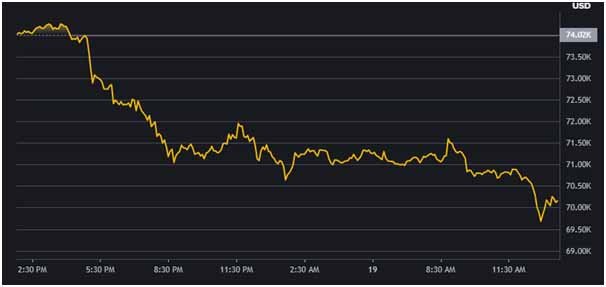
Bitcoin price chart showing decline below $71,000 amid market uncertainty. [Courtesy: Binance]
What Triggered Renewed Inflation Concerns Globally?
The current economic indicator saw the issue of continued inflation pressure, particularly in key economies such as the United States. These indications implied that the rate of inflation is still sticky even following what central banks have done in the past to tighten the monetary supply.
The expectations of the market participants were previously that there would be several rate cuts in 2026, but these expectations are becoming weaker. This increased the yield on government bonds and created the selling of risky assets such as Bitcoin.
The change of expectations had a side effect on the equities and crypto markets, which indicated how sensitive digital assets are to macroeconomic shifts.
How Are Rate Cut Expectations Impacting Crypto Markets?
The interest rate expectations are very sensitive to the crypto market because when the rates are low, the investors tend to embrace the risk-taking behaviour. Liquidity increases and assets such as Bitcoin tend to gain when the markets anticipate a rate reduction.
Nevertheless, late or slow rate cuts will do just the reverse, constraining financial resources and cutting speculative investments. This dynamic is evident in the current decline of Bitcoin price, with traders making appropriate adjustments in accordance with the changing outlook of monetary policy.
Analysts are of the opinion that the ongoing unpredictability of the central bank’s moves may cause more volatility in crypto markets in the next few months.

Investors are monitoring crypto markets as inflation concerns influence trading decisions. [Courtesy: Smallworldfs]
Which Sectors And Investors Are Most Affected?
The effects of the fall of Bitcoin are not confined to individual traders but also to institutional investors and the financial market. Asset managers and hedge funds that have an exposure to cryptocurrencies are keeping a close eye on macroeconomic developments.
There is also pressure on retail investors as the volatility of prices goes up. Moreover, the technology and companies dealing with blockchain are likely to be indirectly affected by a decrease in the level of investor interest in high-risk assets.
The wider financial market is modifying tactics with the uncertainty still prevailing, and most players in the market are becoming more risk-averse.
Where And When Did This Market Shift Occur?
The market movement was done on the international level, and the trading of Bitcoin reflected the alteration in the whole exchanges around the world. The decrease has occurred in recent months after economic data was released, which pushed up inflation concerns.
The reaction of markets was almost instant; this shows how swift the shift in sentiment can be in the digital asset realm.
The intertwined character of the financial systems of the world implies that any changes made in a single region can easily affect the price of cryptocurrencies in any of the other regions.
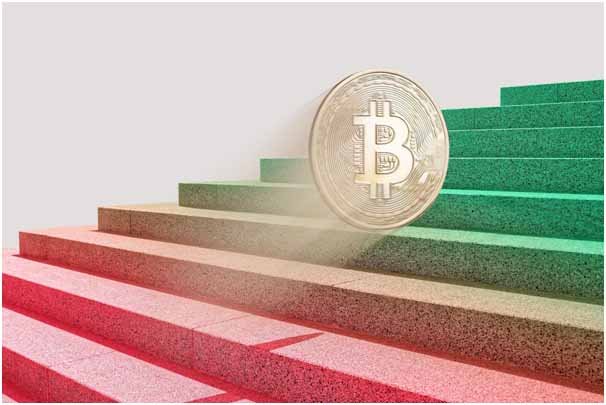
Global crypto exchanges reacting to Bitcoin price drop below $71K. [Courtesy: CryptoRank]
What Does This Mean For Bitcoin Price Outlook In 2026?
It is unclear what will happen to the Bitcoin price in 2026 because the macroeconomic factors still control the mood in the market.
Central banks might keep interest rates elevated for longer periods, limiting the prospects of cryptocurrencies if inflation continues. Nevertheless, there are analysts who suppose that bitcoin has long-term fundamentals that are healthy, based on institutional attraction and adoption.
Volatility in the short term is predicted to persist, though the market participants are keeping a keen eye on the inflation data and indications of policy. The months that are to come will probably dictate whether Bitcoin will be able to recover momentum or will experience additional decline.
Also Read: How the CLARITY Act Seeks to End Confusion in Crypto Markets
FAQs
Q1. Why did Bitcoin’s price fall below $71,000?
A1: Bitcoin price fell due to rising inflation fears and reduced expectations for 2026 rate cuts.
Q2. How do interest rates affect Bitcoin price?
A2: Higher interest rates reduce liquidity and risk appetite, negatively impacting Bitcoin and other cryptocurrencies.
Q3. Is this drop specific to Bitcoin only?
A3: No, the decline reflects broader market sentiment affecting multiple asset classes globally.
Q4. What is the Bitcoin outlook for 2026?
A4: The outlook remains uncertain, depending on inflation trends and central bank policy decisions.
Disclaimer:
This article is for informational purposes only and does not constitute financial advice. Cryptocurrency investments carry significant risks. Readers should conduct independent research or consult financial advisors before making investment decisions based on market trends or analysis.
Sources
- Bitcoin Price Slips Below $71,000
- Bitcoin rebounds above $71,000 amid volatile trading
- Bitcoin drops under $71,000 after rally fades