BTS is not going to zero as analysts mention the structural strength of the instrument, such as scarcity and permanent demand of investors, even after its recent downfall to lower prices than those of the last few years. The cryptocurrency has undergone a serious correction since it soared to about $126,200, although it is still trading way above the zero line, indicating that it is resistant to turbulent times. The review indicates that frequent downfalls followed by recoveries support the thesis that Bitcoin still has a residual value in the world financial systems.
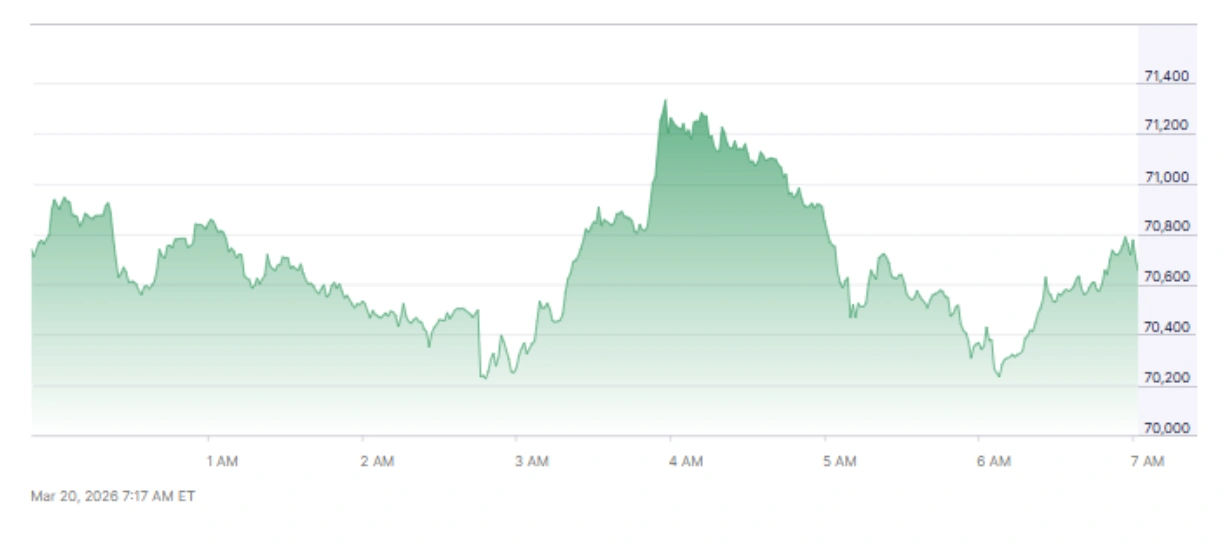 BTS price movements reflect volatility yet long-term resilience. [Courtesy: Nasdaq]
What Happened In The Latest Bitcoin Market Analysis?
The Yahoo Finance discussion clarifies that the fluctuation observed in the prices of BTS is historical because most times, it has experienced a sharp decline after making a big upsurge, yet the downsides never kill the demand present in the currency. Although predicted to drop approximately 22 per cent in 2026 and almost 45 per cent since its peak, Bitcoin still has investors who consider it a long-term investment and not a short-term one. This cyclical behaviour shows that volatility is part and parcel of its existence but not its death.
Bitcoin’s Scarcity And Demand Drive Long-Term Value
Bitcoin will not go to zero due to its limited supply of 21 million coins that will make bitcoin scarce like commodities such as gold, and this will maintain its worth even when the economy experiences a recession. As economic models demonstrate, the supply level is low, and the demand is increasing, a natural price floor will be created, which will not allow the whole situation to collapse under normal circumstances. Also, its presence in the market is further enhanced by institutional adoption and further integration in financial systems.
 Limited supply of Bitcoin underpins its long-term value proposition. [Courtesy: FXLeaders]
Who Is Supporting BTS’s Continued Growth Globally?
The institutional, asset, and retail traders are all major players in the continued relevance of BTS, and as they continue to participate in the various global markets, the demand base continues to grow. The trade of exchange-traded funds and corporate holdings on a large scale is a sign of confidence in the long-term viability of Bitcoin.
Concurrently, its application as an alternative store of value is further enhanced by its adoption in areas of currency instability.
Where And When Is Bitcoin Seeing Strong Adoption Trends?
The use of BTS is still growing in developed and developing economies, especially in North America and places where inflationary forces are increasing, where it is being used as a hedge against currency devaluation.
This trend has gained more momentum over the last few years because of the macroeconomic uncertainty, which has pushed investors towards decentralised assets, and this boosts the international applicability of Bitcoin.
The current volatility in 2026 notwithstanding, the demand is still stable, to sustain its long-term perspective.
 Rising global adoption strengthens Bitcoin’s long-term market position. [Courtesy: USFunds]
How Will Bitcoin’s Future Play Out In The Crypto Market?
BTS is not going to zero because it is argued that its future lies in its consistency in use, clarity in regulations and macroeconomic factors, yet the inherent strengths of the currency hint at its persistence as a useful tool in the financial industry.
Although price volatility is likely to continue in the future, the historical record reveals that market downturns are likely to result in greater market consolidation and new growth cycles.
Risk and opportunity have remained the defining trends in the path of Bitcoin in the world markets.
Also Read: Bitcoin Price Drops Below $71K As Inflation Fears Rise
FAQs
Q1. Can BTS really drop to zero?
A1: Experts say it is highly unlikely due to strong demand and limited supply.
Q2. Why is BTS so volatile?
A2: Bitcoin reacts to market sentiment, macroeconomic trends, and investor behaviour.
Q3. What supports Bitcoin’s long-term value?
A3: Scarcity, adoption, and institutional investment are key supporting factors.
Q4. Is BTS still a good investment in 2026?
A4: It remains high-risk but attractive for long-term investors seeking diversification.
Disclaimer:
This article is for informational purposes only and does not constitute financial advice. Cryptocurrency investments carry significant risks. Readers should conduct independent research or consult financial advisors before making investment decisions based on market trends or analysis.
Sources: