

Bitcoin has dropped nearly 50% from its October 2025 highs. Geopolitical tensions are running hot. Retail traders are heading for the exits. And yet, Bitcoin prices have not collapsed the way many expected. The reason, according to analysts, is sitting in plain sight: ETF investors are buying the dip, and buying it hard.
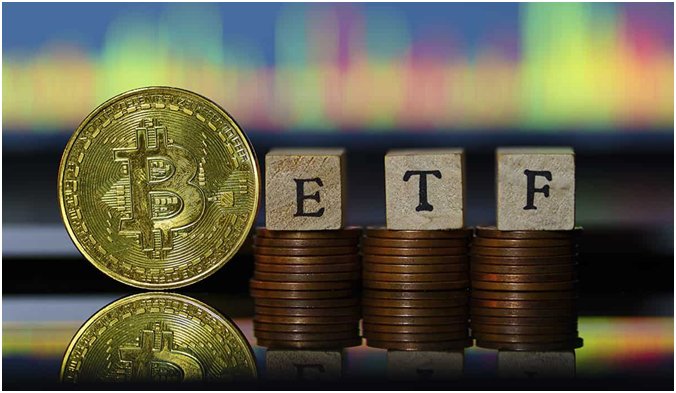
Figure 1: Bitcoin and ETF concept illustrating how exchange-traded funds provide institutional exposure to the cryptocurrency market [Global Finance]
Over the past five days, spot Bitcoin ETF investors have accumulated $1.5 billion worth of Bitcoin. Bloomberg Intelligence ETF expert Eric Balchunas described it as the biggest haul in a while, noting that nearly every one of the ten original spot Bitcoin ETFs saw inflows during the period. For analysts watching the market, the scale of buying amid a significant drawdown has been genuinely surprising.
Why ETF Investors Are Defying Expectations?
The conventional wisdom around Bitcoin has always been that it is an asset for younger, digitally native investors. Baby boomers, those born between 1946 and 1964, were not expected to embrace it, let alone buy aggressively during a downturn. The data tells a different story.
While many Bitcoin investors rushed for the exits during the current bull-to-bear market correction, spot Bitcoin ETF buyers have largely stayed put and added to their positions. This behaviour is reshaping how analysts think about Bitcoin investment in Australia and globally, and how ETFs affect Bitcoin price during periods of stress.
The Numbers Behind the Institutional Accumulation
The scale of institutional commitment to Bitcoin through ETFs is difficult to ignore. Key figures as of 4 Mar 2026 are as follows:
- Bitcoin ETFs collectively hold more than $107 billion worth of Bitcoin, according to DefiLlama.
- Institutions now control 12% of Bitcoin’s entire network supply.
- Since October 2025, 17 of the top 25 largest Bitcoin ETF holders have added to their positions during the drawdown, according to Zac Townsend, CEO of Meanwhile, a Bitcoin insurance firm.
- BlackRock, led by Larry Fink, holds more Bitcoin than any other ETF provider globally.
This is not speculative retail activity. These are long-term, structured allocations by institutions that have done the risk assessment and committed capital anyway.
How ETFs Affect Bitcoin Price: The Stabilisation Effect
Understanding how ETFs affect Bitcoin price requires looking at what ETF investors actually do differently to retail traders. Retail participants tend to react to price movements, selling into weakness and chasing strength. ETF investors, particularly institutional ones, tend to behave like long-term asset allocators. They rebalance, they average down, and they hold.
Figure 2: ETF investment concept showing exchange-traded funds supporting market growth and long-term wealth creation [Freepik]
That dynamic is playing out in real time. ETF expert Nate Geraci, co-founder of the ETF Institute, noted that ETF investors clearly are not panicking despite the drawdown and ongoing geopolitical conflict in the Middle East. When large, patient capital absorbs selling pressure consistently, it creates a price floor that would not otherwise exist. That is the stabilisation mechanism Bitcoin is currently benefiting from.
What This Means for Bitcoin Investment in Australia
Bitcoin ETFs have not yet launched on the ASX in the same spot ETF format seen in the United States, but Australian investors are not without options. Several Bitcoin and crypto ETFs are already available on the ASX, and institutional interest in digital assets is growing domestically.

Figure 3: Investors monitoring digital asset markets and trading activity as institutional participation in cryptocurrencies continues to grow [Freepik]
For Australian investors watching global ETF flows, the key takeaway is structural. Bitcoin investment in Australia is increasingly being framed not as a speculative trade but as a portfolio allocation decision, one that institutional players are making with conviction, even through significant drawdowns. The behaviour of global ETF investors is directly relevant to how Bitcoin ETFs Australia may develop and be used as the market matures.
Conclusion
Bitcoin is down sharply from its highs. But it has not broken. A significant part of the reason is that ETF investors institutional, patient and increasingly significant in scale, are absorbing the selling and adding to positions. Understanding how ETFs affect Bitcoin price is now essential context for any serious investor monitoring digital assets. The boomer quip from Balchunas is memorable, but the underlying story is bigger: regulated, long-term capital is changing the structure of the Bitcoin market, and that shift is unlikely to reverse.
Frequently Asked Questions
Q1. What are Bitcoin ETFs Australia?
Ans. Bitcoin ETFs Australia refers to exchange-traded funds listed on Australian exchanges that provide investors with exposure to Bitcoin without requiring direct ownership of the asset. Several crypto ETFs are currently available on the ASX, with institutional interest in the space continuing to grow.
Q2. How do ETFs affect Bitcoin price?
Ans. ETFs affect Bitcoin price primarily through the accumulation and holding behaviour of institutional investors. Unlike retail traders who may sell during downturns, ETF investors tend to hold or add to positions, absorbing selling pressure and creating price support during drawdowns.
Q3. How much Bitcoin do ETFs hold globally?
Ans. As at 4 Mar 2026, spot Bitcoin ETFs collectively hold more than $107 billion worth of Bitcoin. Institutions now control approximately 12% of Bitcoin’s entire network supply.
Q4. Who are the biggest Bitcoin ETF holders?
Ans. BlackRock, led by Larry Fink, holds more Bitcoin than any other ETF provider globally. Since October 2025, 17 of the top 25 largest Bitcoin ETF holders have added to their positions during the current drawdown.