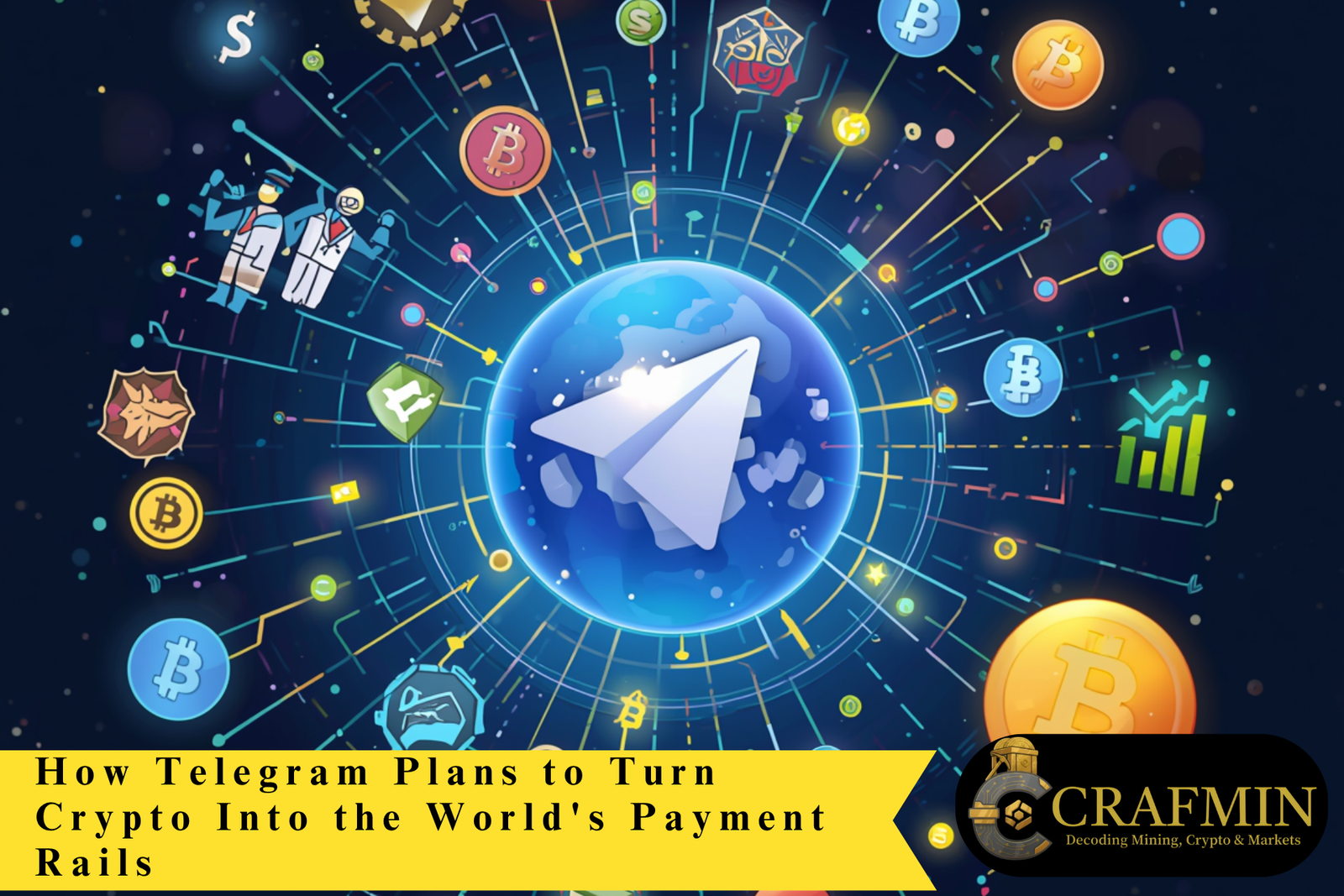
With over one billion users and a growing blockchain infrastructure, Telegram is advancing toward becoming a mainstream crypto-powered payments platform through TON integration, new developer tools, and strategic third-party partnerships.
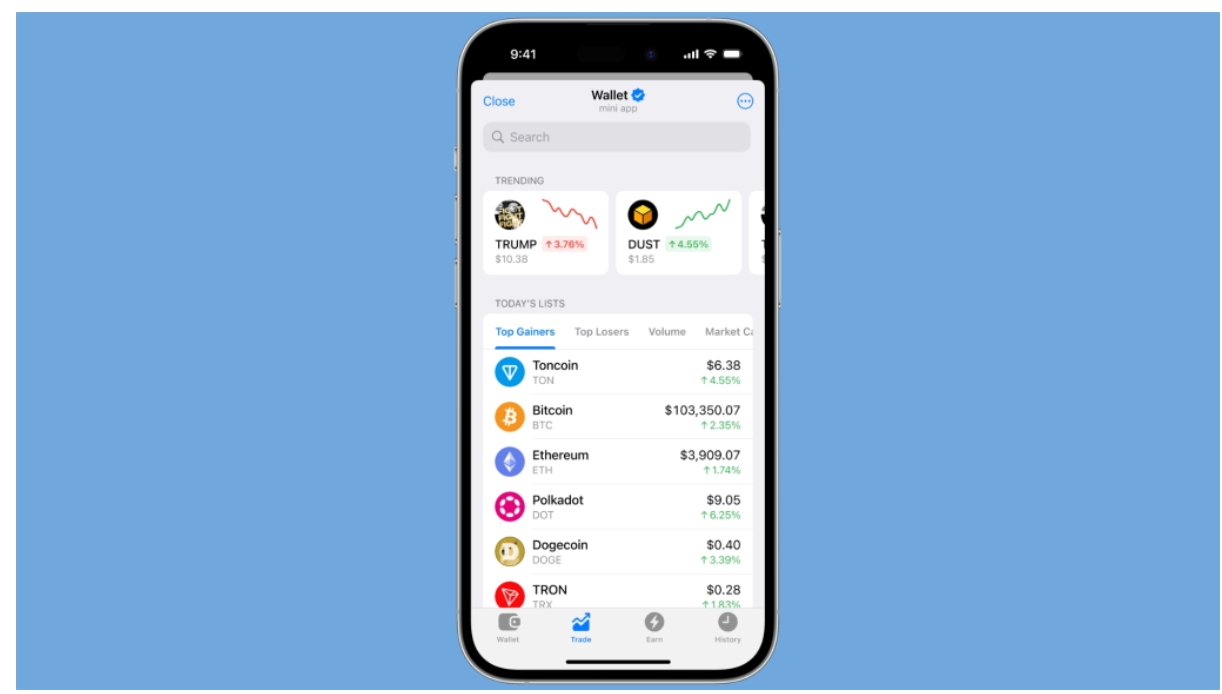 Telegram is integrating crypto payments through TON to reach a global user base. [Tech Crunch]
Telegram Targets Crypto Payments at a Global Scale
Telegram, the messaging platform with over one billion monthly users, is advancing a strategy to embed cryptocurrency payments directly into its ecosystem. The company is building on The Open Network (TON), a blockchain integrated throughout the app. This positions Telegram as a contender in the global digital payments space.
The platform serves users across more than 180 countries. Many of these users operate in regions with limited access to traditional banking. Telegram sees this gap as an opportunity to offer crypto-based financial tools through channels people already use every day.
TON Pay SDK Brings Crypto Checkout to Mini Apps
In February 2026, the TON Foundation launched TON Pay, a software development kit (SDK) designed for merchants and mini-app developers inside Telegram. The tool allows businesses to accept Toncoin and Tether’s USDT stablecoin without requiring a complex wallet setup. Developers can integrate checkout flows directly into Telegram Mini Apps with minimal friction.
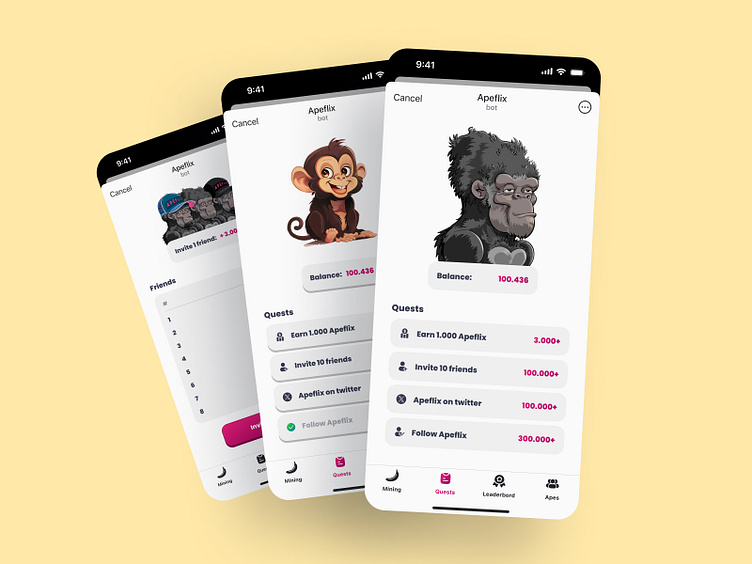
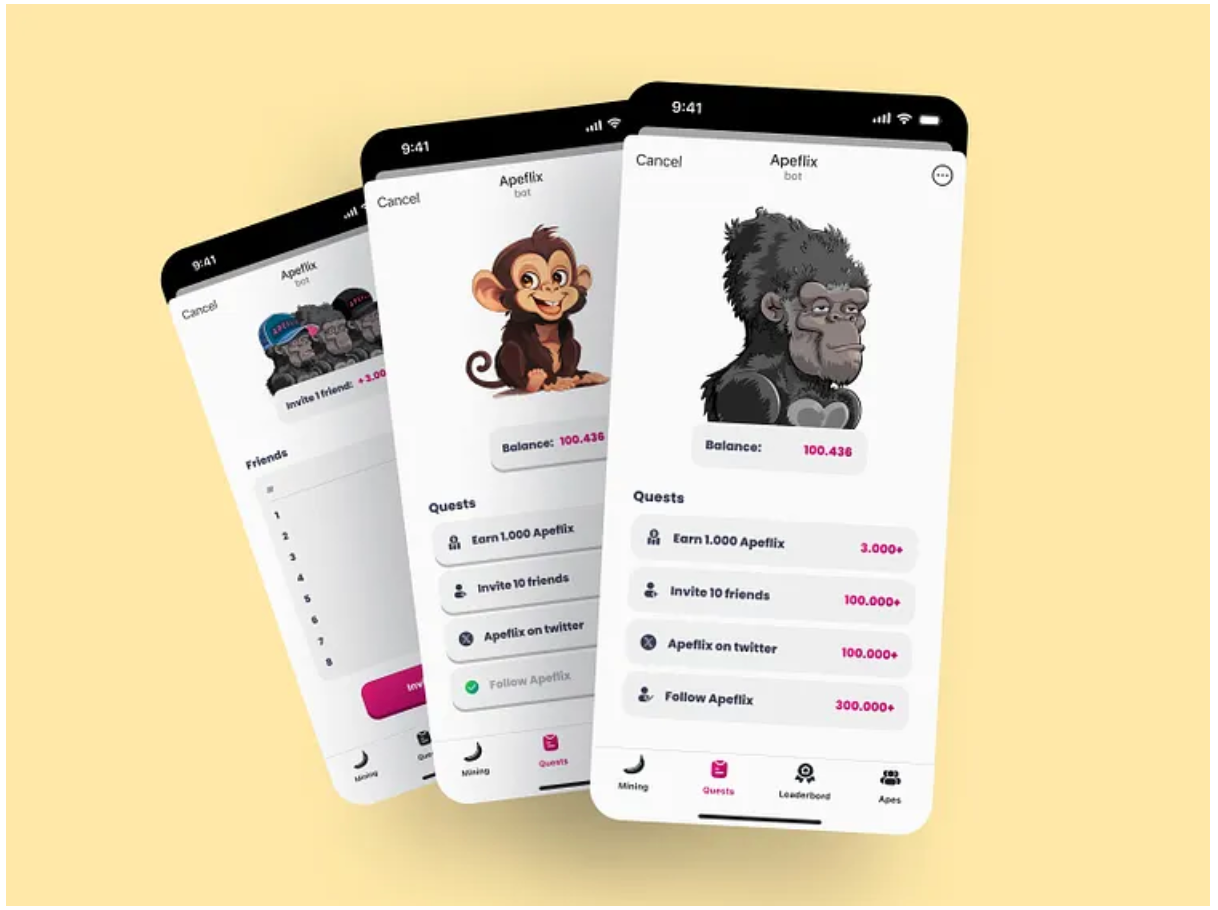 TON Pay enables seamless crypto checkout within Telegram Mini Apps. [Dribbble]
TON Pay targets sub-second transaction speeds and average fees below one cent. The system handles wallet management, settlement, and checkout in a unified flow. This makes it practical for point-of-sale and everyday commerce scenarios.
The SDK is wallet-agnostic, meaning users can transact through any compatible TON wallet. Merchants are not locked into a single provider. This flexibility lowers the barrier for businesses adopting crypto payments.
The Open Network (TON): Telegram’s Blockchain Backbone
TON was created by Telegram’s founding team, though the project later became an independent foundation. The blockchain uses a sharding architecture that supports high transaction volumes at low cost. It now functions as the primary on-chain infrastructure within Telegram.
 The Open Network powers fast, low-cost transactions across Telegram’s ecosystem. [Bitsgap]
TON’s integration with Telegram enables direct interactions between bots, Mini Apps, and user wallets. Transactions settle in near real-time. This setup supports a range of use cases, from peer-to-peer payments to in-app purchases and creator monetization.
Wallet Adoption Grows as Telegram Expands Crypto Access
Over 100 million Telegram users have activated the platform’s built-in wallet feature. In July 2025, the TON Wallet Mini App launched for users in the United States, giving approximately 87 million Americans access to self-custodial Toncoin wallets. The rollout marked a significant expansion of crypto access through a consumer messaging application.
Telegram’s approach removes the typical steps involved in setting up a crypto wallet. Users connect through their existing Telegram identity. There is no need for seed phrases or additional verification for basic peer-to-peer transactions.
MoonPay Partnership Eases Cross-Chain Crypto Deposits
In February 2026, MoonPay launched a deposit feature inside Telegram’s self-custodial TON Wallet. The service allows users to send Bitcoin and other assets from external wallets across different blockchains. MoonPay’s infrastructure handles swaps, bridging, and routing automatically in the background.
 MoonPay enables cross-chain deposits into Telegram’s TON Wallet with automated swaps. [MoonPay]
Users select a deposit option, choose a source token and network, and transfer funds to a generated address. MoonPay then credits the correct asset to the TON Wallet. This integration reduces the technical complexity of entering the TON ecosystem from other blockchain networks.
Stablecoin Strategy Makes Payments Practical for Merchants
Telegram’s payments framework focuses heavily on USDT, Tether’s dollar-backed stablecoin, as a transaction currency. USDT avoids the price volatility associated with assets like Bitcoin. This makes it more suitable for everyday commercial transactions where stable value is essential.
In practice, merchants can receive local fiat currency even when customers pay in crypto. The settlement layer converts assets automatically. This setup removes the need for merchants to manage cryptocurrency holdings directly.
“The merchant doesn’t know crypto was involved. The customer barely thinks about blockchain. The transaction just worked.” — Industry analyst commentary on the Telegram Mini App payment experience
Telegram Competes with Emerging “Everything App” Models
Telegram’s payments expansion places it alongside other platforms developing integrated financial services. X, the platform formerly known as Twitter, has announced X Money. Coinbase’s Base product also combines social and financial features. Each platform targets a version of the same market: social apps with native payments.
Telegram’s advantage lies in its existing user base and the maturity of TON’s infrastructure. Developers can build directly within Telegram using Mini Apps, bots, and the TON Pay SDK. The ecosystem is operational, not just planned.
Financial Inclusion and Cross-Border Use Cases Drive Adoption
A core argument for Telegram’s crypto payments strategy centers on financial inclusion. Many of the platform’s users in Africa, Southeast Asia, and Latin America have limited access to bank accounts or international payment systems. Crypto-powered transactions through Telegram offer a practical alternative.
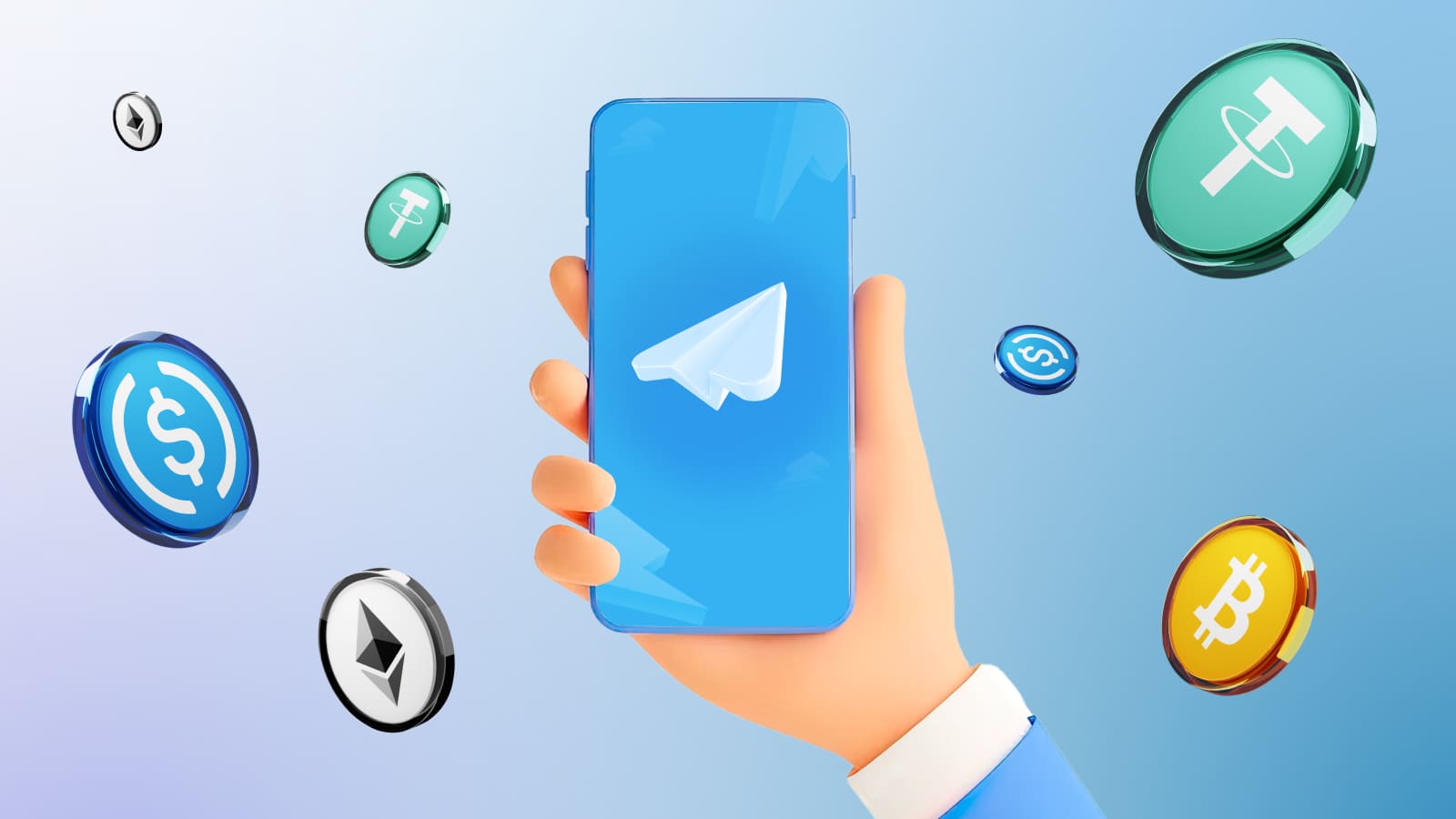
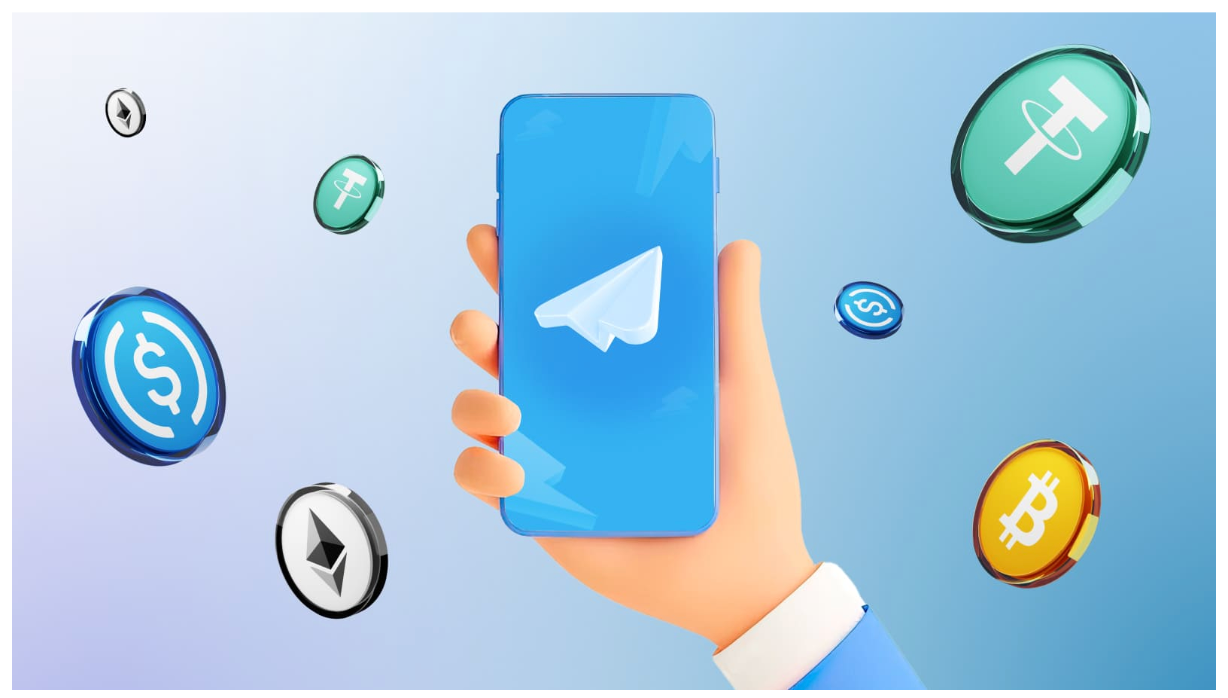 Crypto payments on Telegram could expand financial access in underserved regions. [Cryptocloud]
Cross-border payments stand to benefit the most. Traditional remittance services charge high fees and take time to settle. Stablecoin transfers through Telegram can settle in seconds at near-zero cost. This makes the platform relevant for freelancers, small businesses, and migrant workers sending money across borders.
Risks, Regulations, and the Road Ahead
Despite the momentum, Telegram faces questions about regulatory compliance. TON’s previous connection to Telegram contributed to skepticism among regulators and some users. The TON Foundation maintains that the network is open and permissionless, but merchants must follow Telegram’s platform policies, which may evolve as the SDK matures.
Regulatory oversight of crypto payments remains inconsistent across jurisdictions. Telegram will need to navigate different legal frameworks as adoption grows. The platform’s ability to manage compliance while maintaining ease of use will be a key factor in determining long-term success.
As of April 2026, the infrastructure is in place. The user base is large. The tools for merchants and developers are available. Whether Telegram achieves its goal of becoming a mainstream global payments network depends on continued developer adoption, regulatory navigation, and user trust in crypto-based commerce.
Also Read: GTA 6 Crypto Rumors Explained: What Rockstar Is Really Planning for 2026
FAQS
Q1: What is Telegram’s crypto payment system?
A: Telegram’s crypto payment system is built on The Open Network (TON), enabling users to send, receive, and spend cryptocurrencies like Toncoin and USDT directly within the app.
Q2: What is TON Pay and how does it work?
A: TON Pay is a software development kit (SDK) that allows merchants to integrate crypto payments into Telegram Mini Apps, offering fast, low-cost checkout using Toncoin and USDT.
Q3: Which cryptocurrencies can be used on Telegram?
A: Telegram primarily supports Toncoin and USDT (Tether), with integrations allowing users to deposit other assets like Bitcoin through third-party services such as MoonPay.
Q4: Do users need a crypto wallet to use Telegram payments?
A: Telegram provides a built-in wallet, allowing users to transact without complex setup processes like managing seed phrases for basic transactions.
Q5: How fast and cost-effective are Telegram crypto transactions?
A: Transactions on TON are typically processed in seconds, with fees often below one cent, making them suitable for everyday payments and microtransactions.
Q6: How does Telegram support cross-border payments?
A: Telegram enables near-instant stablecoin transfers across countries, reducing the cost and delays associated with traditional remittance services.
Q7: Is Telegram’s crypto payment system regulated?
A: Regulation varies by country. While TON operates as a decentralized network, Telegram and merchants must comply with local laws and platform policies.
Q8: Why is Telegram focusing on stablecoins like USDT?
A: Stablecoins reduce price volatility, making them more practical for daily transactions and merchant payments compared to traditional cryptocurrencies like Bitcoin.
Q9: How many users are using Telegram’s crypto wallet?
A: Over 100 million Telegram users have activated the platform’s built-in crypto wallet, reflecting growing adoption of its payment ecosystem.
Q10: Can Telegram become a global payments platform?
A: Telegram has the infrastructure, user base, and developer ecosystem to scale crypto payments globally, but success will depend on regulation, adoption, and user trust.
Disclaimer
This article is published by Crafmin for informational purposes only. It does not constitute financial or investment advice. Cryptocurrency investments and digital asset usage carry risks. Readers should conduct their own research before making financial decisions.