Money has been leaving Korea quietly, and one firm hopes to change that. On 20 October, Injective signed a deal with BDACS, a Korean custody firm. The deal puts the KRW1 stablecoin onchain. A Korean won stablecoin could soon sit beside the dollar tokens that dominate crypto.
KRW1 will be the only won used to settle real world assets on Injective. Only approved firms can make new KRW1. There is a catch, though. The plan still needs a yes from the state. Crypto Economy reports the same numbers. BDACS held over 80 billion won in custody in the first half of 2026. Injective has handled over $7.5 billion in tokenised asset trades.
The timing makes sense. Korea’s top five exchanges saw about $10.4 billion in stablecoin flow out. It went on for 18 straight months, per The Block.
What Is the Korean Won Stablecoin KRW1?
So what exactly is KRW1? In short, it is a token pegged to the Korean won. Each token is meant to track the won one-to-one. Here is how it works:
- BDACS issues it. The firm is a Korean custodian that holds digital assets for clients. It registered the KRW1 trademark in December 2023.
- Won held in escrow at Woori Bank fully backs each token. A real-time banking API offers proof of reserves.
- It first launched on Avalanche, then began spreading to other chains. BDACS also eyes payments, remittances and deposits.
- Only approved firms can make new KRW1, which keeps issuance tightly controlled.
Why the Korean Won Stablecoin Matters Now
Korea has strict capital controls, yet traders found a way around them. They swap won for USDT on local exchanges. Within minutes, the funds sit in offshore wallets. Many traders chase products they cannot buy at home. The pattern has barely paused.
June alone saw net outflows of 560.3 billion won, about $367 million. Stablecoin balances on local exchanges have fallen by about 55% over 18 months. The active user ratio dropped from 35.7% to 19.5%. A won coin offers another route. Plume says KRW1 lets Korean investors earn returns directly in won. That cuts FX costs.
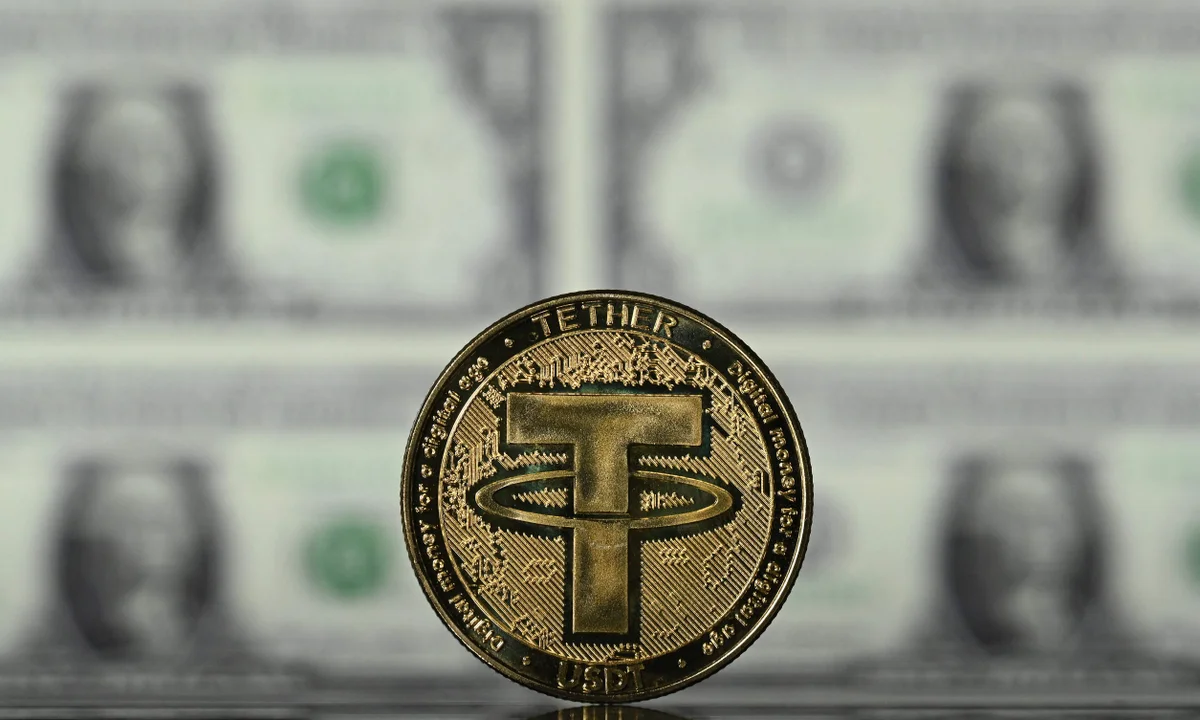
Traders move funds offshore through dollar-based stablecoins on local exchanges. [The Guardian]
Where the KRW1 Stablecoin Fits in Global Finance
KRW1 is already turning up in more than one place. Here is where it stands:
- Injective: KRW1 will settle tokenised real-world assets once the state approves. The network has handled over $7.5 billion in such trades.
- Plume: The real world asset network introduced KRW1 on 3 February 2026. It reports more than 280,000 RWA holders and $645 million in RWAs, per PR Newswire.
- Plume’s choice: Plume chose the won as its first non-USD currency. It cites Korea’s regulatory readiness and institutional demand. It also opens access to assets from Apollo Global Management, WisdomTree and BlackOpal.
- Avalanche: The coin first launched here, with Woori Bank as the reserve partner.
When and How the KRW1 Stablecoin Could Go Live
Nobody has named a date, and everything hinges on regulators. Roughly, it would go like this:
- The state gives its yes. Without it, the Injective plan cannot proceed. Timing could shift if approval drags.
- Approved firms then issue new KRW1. No one else can mint it.
- Real-world asset trades settle in won on Injective. Investors avoid a dollar conversion along the way.
- Reports point to a planned Digital Asset Basic Act covering stablecoins, exchanges and disclosures, per PrimeXBT.
- Plume also sees room to expand to the Japanese yen and Singapore dollar.
USD vs KRW Stablecoin: Key Differences
The USD vs KRW stablecoin contest is really about currency and control. Dollar coins rule global trading. A Korean won stablecoin keeps value in local money instead. That spares Korean investors a currency swap. KRW1 also faces tighter rules, since only approved firms can mint it. Won held at Woori Bank backs it directly.
Liquidity is the real test, because dollar coins are far larger. Kakao is also developing a won-pegged token through its Kaia blockchain. Competition among won coins may follow. Both models may coexist for now. The $10.4 billion outflow will show whether habits change.
Also Read: UK Crypto Robbery Case Exposes Investor Security Risks
FAQs
Q1: What is the KRW1 stablecoin?
A1: KRW1 is a Korean won stablecoin issued by BDACS. The firm held over 80 billion won in custody in the first half of 2026.
Q2: Why are Korean investors using dollar-based coins?
A2: Korea’s top five exchanges saw about $10.4 billion in stablecoin outflows. That outflow ran for 18 straight months.
Q3: Where will KRW1 settle real world assets?
A3: On Injective, which has handled over $7.5 billion in tokenised asset trades. KRW1 will be the only won used there.
Q4: When will KRW1 go live on Injective?
A4: No date is confirmed, as the 20 October deal still needs state approval. Only approved firms can make new KRW1.
Disclaimer:
The article is general information about the KRW1 stablecoin and not meant as financial advice. The timeline may change, and KRW1’s use on Injective is still awaiting State approval. The rules, reserves and liquidity of each stablecoin vary by country and issuer. Digital assets come with risks, such as the risk of loss of capital. Compare figures with the referenced sources and seek advice from a licensed financial advisor before making decisions.