

Demand for bitcoin ETFs is gaining momentum as investors accept regulated exposure to cryptocurrencies. Recently, Morgan Stanley became the first brokerage to launch its spot bitcoin ETF, called MSBT.
The fund raised more than $200 million in assets in just a few weeks. This is an atypical speed for a typical ETF launch anywhere in the world. The early flows were mostly from individual investors acting independently. At the beginning, the advisors in the firm had little involvement. This signals changing investor behaviour in financial markets.
Participants in the retail segment are faster than participants in the institutional channels. The shift is indicative of growing confidence in regulated crypto products. It also identifies the changing dynamics of power in investment ecosystems globally.

Strong early Bitcoin ETF demand reflects rising retail investor participation. [Courtesy: CryptoSlate]
Why Is Bitcoin ETF Demand Rising So Quickly
As investor preferences change and the market matures, Bitcoin ETF Demand is on the up. Existing crypto investors are shifting into more secure blocks. These include exchange-traded products with regulatory certainty and convenience. Many users like to have easy access through the brokerage platforms.
This helps minimise the risks associated with the handling of private wallets. The change is also driven by the increased confidence in institutional products. Market Participants want transparency and compliance in Digital asset exposure. Inflows’ speed indicates the existence of pent-up demand in the past.
Investors waited for well-designed and credible financial products, and then reallocated capital. This change in behaviour represents an important shift in crypto adoption. It places ETFs in between conventional finance and blockchain assets.
Where Is The Shift In Crypto Investment Happening
The crypto investment trend is new, and it’s happening around the world. The announcement came at a time when the crypto industry was buzzing with the Consensus event in Miami. Consensus 2026 brought together top industry leaders and institutions.
The theme of the discussions was the increasing integration of traditional finance and blockchain technology. The entire investment community is moving from unregulated to regulated platforms. The movement is more pronounced in developed financial markets.
The ETF structure provides greater advantages in reporting and taxes. These are all trends that are being watched by the institutions as well.
Systems are converging and changing the way in which investments are being made around the world. Financial hubs are emerging as the proving grounds for blended asset structures featuring crypto and equities.
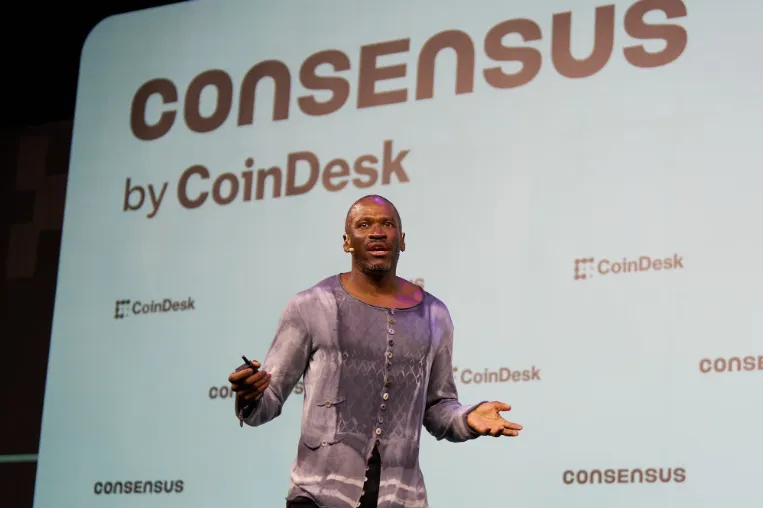
Consensus 2026 highlights global shift toward regulated crypto investment platforms. [Courtesy: Coindesk]
When Did Bitcoin ETF Demand Begin Accelerating
After the launch of the MSBT, the interest in the Bitcoin ETF was strengthened. Activity increased greatly during the first week or two.
The majority of this activity was not initiated by the advisor, but by the client. This is in stark contrast to how typical ETFs grow. Usually, it takes months for funds to get traction with investors.
But crypto products with crypto have been breaking these rules. The timing is on par with the overall trend of digital asset recovery. Investors are back in markets with a fresh sense of faith.
The launch of the ETF offered a structured entry point. The strong inflows in the first couple of months were due to this timing advantage. It also shows signs of better sentiment across the entire cryptocurrency investment scene.
How Self-Directed Investors Are Driving Demand
Bitcoin ETF Demand is driven by self-directed investors. These investors make their own investment decisions without any advice. Digital platforms allow for quicker execution and access to research.
This enables people to make fast decisions on market possibilities. There are already many individuals who have Bitcoin in decentralised wallets.
These are now beginning to offer regulated investment vehicles. This simplifies without sacrificing exposure. The trend is also a generational shift in investing behaviour.
Young investors value independence over traditional investment advice. Their behaviours are changing the demand landscape for financial products. It is anticipated that this impact will increase with the spread of digital use around the world.
Self-directed investors are reshaping demand patterns in Bitcoin ETF markets. [Courtesy: IQ.wiki]
What Is Morgan Stanley’s Hybrid Crypto Strategy
Morgan Stanley is on a quest to integrate digital assets. Morgan Stanley is taking a middle-ground path in digital assets. The company is going to provide ETFs and direct trading of cryptocurrencies.
The latter involves incorporating spot trading into its wealth platform. The strategy is based on changing client requirements by asset class.
More and more investors are holding traditional assets and digital assets. It is difficult to control them within one ecosystem. The hybrid model is designed to make this process easy.
It offers regulatory oversight and flexibility in investments. This will give the company a competitive edge in digital finance. It is also in line with the industry changes.
Why Digital Assets Strategy Extends Beyond ETFs
The digital assets strategy is broader than just ETFs. The firm is considering tokenisation and quicker settlement processes. The innovations could be game-changers for financial market infrastructure. Tokenisation could enhance liquidity and transaction efficiencies.
A quicker settlement translates into fewer operational risks and delays. But client value is the focus. A long-term strategy that will have an impact. Not restricted to short-term market cycles.
This is a 10-year revolution, as industry leaders see it. The surge of blockchain technology in finance is on the rise. This transformation may change the way global markets function in the future.
What Does Bitcoin ETF Demand Mean For The Future
The demand for Bitcoin ETFs is indicative of a wider trend in the financial market. It is an indicator of the growing adoption of digital assets around the world. Regulatory and accessible investments are gaining traction. This helps to build trust and acceptance of cryptocurrencies.
It is a change in strategies for financial institutions. In the future, investment platforms are likely to be predominantly hybrid. Self-directed investors will further gain in importance.
Their impact is changing product development and distribution. This tendency may be a driver of innovation in the financial services industry. It also sheds light on the increasing overlap between the tech and investment space.
Also Read: Hut 8 Bitcoin-Backed Refinancing Fuels AI Expansion Strategy
FAQs
Q1. What is driving Bitcoin ETF Demand growth?
A1: Bitcoin ETF Demand is driven by self-directed investors and safer, regulated investment options. Over $200 million in inflows show strong early adoption.
Q2. Why are investors shifting to ETFs from wallets?
A2: Investors seek convenience and security. ETFs reduce the risks of private wallet management and improve compliance.
Q3. How quickly did the MSBT ETF grow?
A3: The fund crossed $200 million in assets within weeks. Most inflows came in the first one to two weeks.
Q4. What is the hybrid crypto model?
A4: It combines ETF investments and direct crypto trading. This allows investors to manage assets on one platform.
Disclaimer
This article is for informational purposes only and does not constitute financial advice. Cryptocurrency investments carry significant risks, including market volatility and regulatory changes. Readers should conduct independent research before making investment decisions. Colitco does not endorse any specific financial product or strategy mentioned in this report.
Source Links


