Grayscale has identified ETH, SOL and BNB as potential winners from proposed SEC changes. The assessment focuses on greater token issuance across public blockchains.
Grayscale Head of Research Zach Pandl published the analysis on Aug. 19. He linked the proposal with growing interest in tokenisation and decentralised finance.
The SEC’s planned framework could make blockchain fundraising easier for eligible issuers. That could bring more US companies and investors onto public networks.
Ethereum, Solana and BNB Chain could therefore see stronger activity. Their native tokens could also benefit if network usage increases. However, Grayscale stressed that these potential gains remain conditional.
Grayscale identifies ETH, SOL and BNB as potential beneficiaries of proposed SEC changes. [Courtesy: Bitcoin News]
New SEC Crypto Rules Could Change Token Fundraising
The SEC proposed Regulation Crypto Assets on Aug. 18. The framework aims to create tailored exemptions for certain crypto investment contracts.
It includes two possible fundraising routes for eligible issuers. The first route could allow companies to raise up to $5 million over four years.
The second route could permit offerings reaching $75 million during each 12 months. The larger pathway would involve stronger reporting and disclosure requirements. Issuers would need to provide investors with important information about their projects.
Financial statements would also apply under the larger exemption. Both routes would remain subject to federal antifraud protections. The proposal remains subject to the SEC rulemaking process.
The proposed framework could influence crypto markets in several ways:
- More token issuance: Eligible projects could gain clearer fundraising options.
- Greater US participation: More issuers could operate within US markets.
- Higher blockchain usage: New projects could increase transactions and network activity.
Why ETH, SOL And BNB Could Benefit
Grayscale believes greater token issuance could support leading blockchain networks. Ethereum already provides infrastructure for digital assets and decentralised applications. Solana also supports a wide range of blockchain-based applications and token activity.
BNB Chain serves projects across decentralised finance and digital asset markets. More fundraising could create additional demand for these networks. Projects may need their native ecosystems to launch and operate new tokens.
That could increase activity across the three blockchains. Native assets could gain value if network demand rises. Still, increased activity does not guarantee higher token prices. Crypto markets remain highly volatile and sensitive to broader investor sentiment.
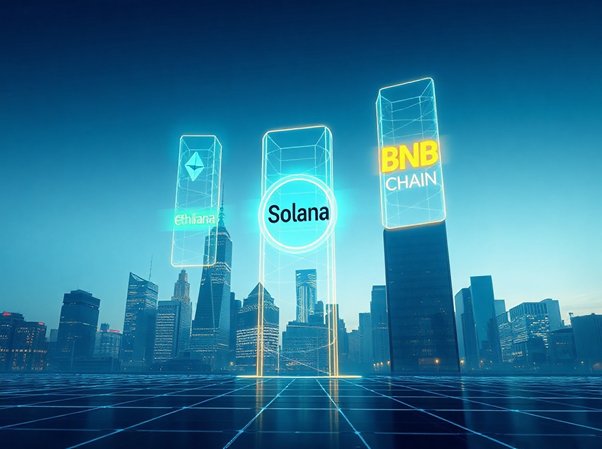
Ethereum, Solana and BNB Chain could see increased activity if token issuance expands. [Courtesy: CryptoRank]
What The New SEC Rules Could Unlock
The proposed rules address newly issued crypto assets used to fund blockchain projects. They do not primarily cover tokenised versions of existing public-company shares.
Fundraising tokens can provide access to networks, applications or digital services. They can also help projects secure capital for future development.
This structure differs from tokenised equities representing existing company shares. Ownership rights and regulatory obligations can vary between these models. The distinction could become important as blockchain fundraising grows.
A clearer US framework may also reduce regulatory uncertainty for developers. That could encourage more projects to launch within the United States. Investors, however, would still face significant market risks.
Safe Harbour Adds Another Regulatory Shift
The proposal also includes a conditional safe harbour for certain crypto assets. The approach builds on the SEC’s March interpretation of crypto assets and investment contracts. Under specific conditions, some assets could cease to face investment-contract treatment.
That could potentially remove related federal securities requirements. The safe harbour could give blockchain projects more certainty around their tokens. It may also reduce concerns about launching digital assets in US markets.
The SEC has indicated that tailored exemptions could encourage domestic activity. This approach could attract developers who previously considered offshore operations. The final rules, however, may differ after public comments and regulatory review.

A proposed safe harbour could provide greater clarity for qualifying crypto assets. [Courtesy: CNBC TV18]
More Onchain Activity Could Support Native Tokens
Grayscale’s argument centres on network usage rather than speculation alone. More token issuance could bring additional users onto public blockchains. Issuers may require blockchain infrastructure to launch and manage their assets.
Investors could also interact with applications built on those networks. This activity may create additional demand for network resources. ETH, SOL and BNB could therefore gain from stronger ecosystem participation.
Yet several factors could limit the effect on token prices. Market conditions, project quality and investor demand will remain important.
Competition between blockchain networks could also influence future adoption. The proposal could open new opportunities, but outcomes remain uncertain. Investors should avoid treating the analysis as a price prediction.
What Happens Next For Crypto Markets?
Regulation Crypto Assets remains a proposal and is not yet final. The SEC must complete its rulemaking process before the framework takes effect. Public comments could influence the final requirements and eligibility standards.
Issuer participation will also determine whether fundraising activity actually increases. Investor demand could become another major factor for blockchain adoption.
The selected networks could also shape which tokens gain the most activity. ETH, SOL and BNB currently stand out in Grayscale’s assessment. Their potential benefit depends on wider usage across their ecosystems.
The proposal could mark an important shift for US crypto regulation. However, investors should watch implementation details before drawing firm conclusions.
New SEC Crypto Rules Could Reshape Token Markets
The proposed SEC framework could create a clearer route for crypto fundraising. That change could encourage more US issuers to launch blockchain-based projects.
Grayscale sees ETH, SOL and BNB among the potential beneficiaries. The reasoning is straightforward.
More token issuance could mean greater activity across established blockchain networks. Stronger usage could then support the value proposition of native assets. However, this remains a potential outcome rather than a confirmed trend.
The SEC could still revise the proposal before final adoption. Market conditions could also change during the process. For now, investors will closely watch the rules, issuer activity and network adoption.
Also Read: AlphaPepe Momentum Builds as Ethereum’s $10K Target Sparks New Crypto Entry Wave
FAQs
Q1: Which Crypto Tokens Did Grayscale Identify?
A1: Grayscale identified ETH, SOL and BNB as potential beneficiaries. The three assets support networks that could gain from increased token issuance.
Q2: How Much Could Eligible Issuers Raise?
A2: One route could allow up to $5 million over four years. Another could permit up to $75 million during each 12-month period.
Q3: When Did The SEC Propose Regulation Crypto Assets?
A3: The SEC proposed Regulation Crypto Assets on Aug. 18. Grayscale published its related analysis on Aug. 19.
Q4: Are The New SEC Rules Already Final?
A4: No, the framework remains a proposal awaiting the SEC rulemaking process. Final requirements could change after public comments and regulatory review.
Disclaimer
This article is for general news and educational purposes only. It does not provide financial, investment or trading advice. ETH, SOL and BNB remain highly volatile crypto assets. Proposed SEC rules may change before final adoption. Readers should independently assess regulatory developments, market risks and project fundamentals before making investment decisions. Past network activity does not guarantee future token performance or returns.
Source Link: