

According to the US Securities and Exchange Commission, the majority of crypto assets are probably considered securities, as per the existing law. The threat was issued by the recent statements made publicly and the regulatory updates posted in March 2026.
The regulator emphasised that there are numerous tokens that qualify as the definition of the Howey Test structure. It is a classification that establishes the assets that are subject to securities regulation.
SEC repeated that crypto platforms have to comply with disclosure and registration requirements. Another alert issued by the agency was regarding the dangers associated with unregulated platforms for trading.
The assertion represents a wider movement of tougher enforcement in digital markets of assets. Regulators are of the opinion that there are still a large number of firms that are operating beyond the confines of compliance.
The position of the SEC is in line with the past enforcement of large exchanges. Such measures were based on the purported breaches of securities laws. The update emphasises the continued regulatory ambiguity in the global crypto markets.
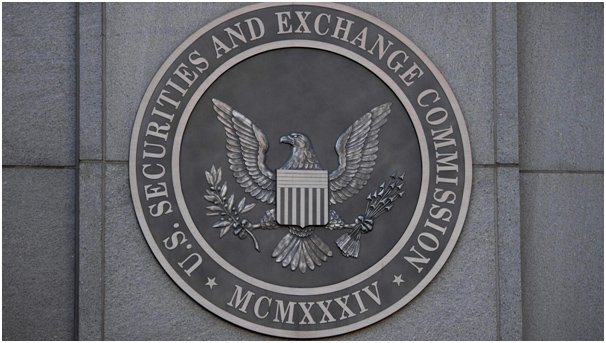
SEC headquarters signals tighter scrutiny on crypto asset classification. [Courtesy: Mint]
Why Does How the SEC Classifies Cryptocurrencies Matter Now?
This categorisation has a direct impact on the possibilities of trading and selling cryptocurrencies in the world market. In case the tokens are securities, they are required to abide by rigorous disclosure conditions. This involves the registration of offerings and investor protections.
The SEC cautions against trading in cryptocurrencies since the threat is heightened due to volatility in the market. By delisting non-compliant tokens, certain assets may not be available to investors.
Compliance costs of crypto companies also increase as a result of the development. Companies need to reevaluate their operations to be in line with regulatory demands. This move has the potential to transform the world of digital assets. Short-term upheavals may be tolerated to the satisfaction of institutional investors who desire more transparent rules.
Retail investors, on the contrary, might have limited trading facilities. The announcement is in the backdrop of the increased regulatory coordination in the world. To minimise fraud and increase transparency in crypto markets, governments strive to do so.
Which Sectors And Companies Are Most Impacted By SEC Warnings?
The hardest hit are crypto exchanges, token issuers, and decentralised finance platforms. Significant trading tiers might be required to be incorporated as a securities exchange. It is a process that is characterised by strict compliance and periodic reporting.
The token developers might run the risk of being sued for offering unregistered securities. SEC makes warnings on cryptocurrency trading, especially when it comes to trading platforms that do not protect investors.
Strategies should also be reconsidered by financial institutions that are considering incorporating crypto. Valuation modification may be encountered among venture capital firms that invest in blockchain startups. Regulatory barriers may slow innovation in the entire fintech industry.
Nonetheless, firms that obey can get a competitive edge over those who do not comply. The change can also affect the international markets because other regulators can emulate the same strategies.
Crypto exchanges face regulatory pressure after the SEC classification update. [Courtesy: BitDegree.org]
How Will Cryptocurrency Compliance Rules Clear Or Become Stricter?
Clarity in regulation could be enhanced because regulations delineate compliance models. Nevertheless, the tighter enforcement seems probable in the near future. Investor protection and the integrity of the market remain a priority of the SEC.
The compliance regulations of cryptocurrency are being cleared bit-by-bit based on court cases and legal enforcement measures. Courts are the instruments that may help in interpreting the securities laws used in digital assets.
The players in the industry are demanding special laws that apply to crypto technologies. The US lawmakers are also thinking about the legislative proposals with the purpose of establishing oversight.
This notwithstanding, there is still uncertainty because there is overlapping jurisdiction by regulators. Firms have to embrace the use of strong compliance strategies to overcome changing demands. This involves legal auditing, increased disclosure and investor education.
Where And When Did This Regulatory Shift Take Shape?
The recent events that occurred happened in the United States at the beginning of March 2026. The statements of the SEC came after the continuous legal disputes with large crypto companies.
These cases have influenced how digital assets are regulated. The US is still one of the major markets in shaping the global trends in crypto policy.
These are developments that are being observed by other parts of the world, such as Europe and Asia. This is timed with the growth of market activity and investor involvement.
Regulators want to take action when the systemic risks are still growing. The move is indicative of decades of controversy on crypto classification and regulation.

Global regulators monitor the US SEC’s actions on crypto classification. [Courtesy: Investopedia]
What Happens Next For Investors And The Crypto Market?
Regulatory activities are likely to keep the market volatile, as investors anticipate. The players in the market should keep abreast of the developments in compliance. To eliminate the risk that they might encounter legal liability, exchanges may impose tighter listing standards.
Cryptocurrency trading is not recommended by the SEC since it may implement more enforcement measures. There are some that may be delisted as securities. Nevertheless, more transparent regulations can enhance the stability of the market in the long run.
The adoption of institutions may increase as the regulatory uncertainty is reduced. The industry can develop more transparency and accountability. Finally, the course is reliant on the legal results and policy choices.
Also Read: SEC & CFTC Crypto Policy Agreement Explained: What It Means for Markets
FAQs
Q1. What Is The SEC’s Main Concern With Cryptocurrencies?
A1: The SEC is concerned that many crypto assets operate as unregistered securities, posing risks to investors.
Q2. How Does The SEC Decide If A Crypto Is A Security?
A2: The SEC uses the Howey Test to determine if an asset qualifies as a security.
Q3. Will Crypto Trading Be Restricted?
A3: Some platforms may limit trading of non-compliant tokens to meet regulatory requirements.
Q4. What Should Investors Do Now?
A4: Investors should review risks carefully and monitor regulatory updates before trading cryptocurrencies.
Disclaimer
This article is for informational purposes only and does not constitute financial advice. Readers should conduct independent research or consult professionals before making investment decisions in cryptocurrencies or related assets.
Sources


:max_bytes(150000):strip_icc()/GettyImages-13348050301-7706aee0be5347838eef6524bfc8c1e6.jpg)