

Something significant just shifted in the world of finance. For the first time in history, a cryptocurrency firm has been granted direct access to the United States Federal Reserve’s core payment systems. For anyone watching Australia crypto investment news, this is the kind of structural change that rarely happens, and when it does, it tends to matter for years.
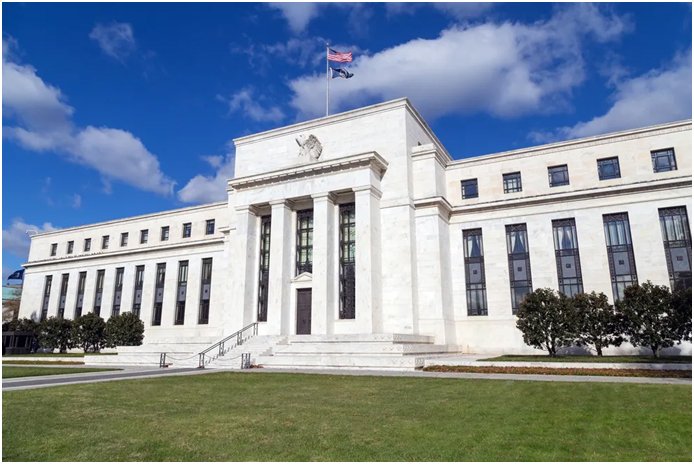
Figure 1: The United States Federal Reserve building in Washington, D.C. [Source: Encyclopaedia Britannica]
The move signals that crypto banking integration is no longer a distant ambition. It is becoming a regulated reality.
The Breakthrough Explained
Kraken Financial, the banking unit of crypto exchange Kraken, revealed on 04 Mar 2026 that it had secured a Federal Reserve master account. This makes it the first crypto firm to gain direct access to Fedwire, the interbank payment system that handles more than US$4 trillion in average daily fund transfers.
Previously, crypto and fintech firms relied on intermediary banks to move money. That added cost, complexity, and delay. With direct Fedwire access, Kraken Financial can now move funds on the same rails used by thousands of US banks and credit unions, enabling faster and more efficient transfers for institutional clients.
Crypto Banking Integration Takes a Historic Step
Senator Cynthia Lummis, a longstanding advocate for the cryptocurrency industry, called the development a watershed milestone in the history of digital assets. The approval, granted by the Federal Reserve Bank of Kansas City, comes after years of crypto firms being blocked from or delayed in seeking US banking approval.
Kansas City Fed President Jeff Schmid acknowledged the shift directly, noting that the payments landscape is actively evolving and that maintaining the integrity and stability of the US payments system remains the priority throughout that transformation.
What Kraken Gets and What It Does Not?
The master account gives Kraken Financial direct crypto payment access to Fedwire, but it is not a full banking licence. The account was approved for an initial one-year term, with services to be introduced in phases, beginning with support for institutional client activity.
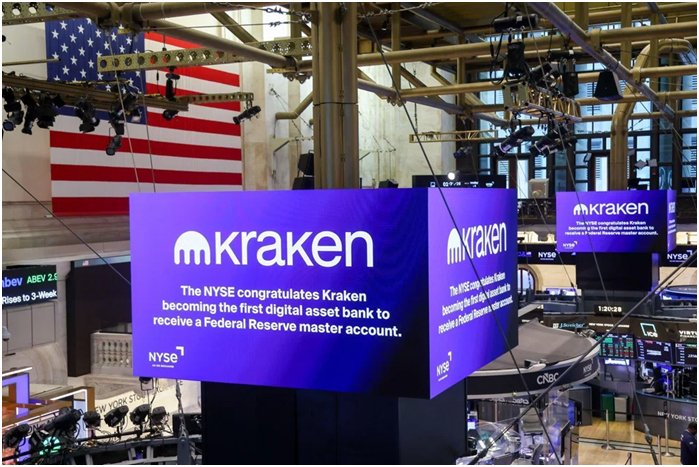
Figure 2: Kraken recognised at the New York Stock Exchange after securing a Federal Reserve master account [Source: Business Times]
Kraken will not receive the wider privileges of a full bank master account, such as earning interest on reserves held at the Fed. Even so, for a crypto firm, this level of crypto banking integration with sovereign financial infrastructure is without precedent.
Australia Crypto Investment News and the US Regulatory Shift
The political backdrop matters. President Donald Trump has vowed to make the United States the crypto capital of the world, a sharp reversal from the previous administration’s cautious stance. His administration has installed crypto-friendly regulators and is pushing for legislation to establish a formal regulatory framework for digital assets.
For those following Australia crypto investment news, this US policy shift carries weight. Regulatory momentum in the world’s largest financial market tends to influence how other jurisdictions, including Australia, approach crypto oversight and institutional adoption.
Industry Outlook for Crypto Banking Integration
The total value of all cryptocurrencies as of February 2026 stands at approximately US$2.3 trillion, with Bitcoin accounting for around US$1.3 trillion and a market share of approximately 56%. Stablecoins have added more than US$310 billion, reflecting a strong liquidity base.

Figure 3: Bitcoin, the world’s largest cryptocurrency by market capitalisation [Source: Freepik]
The global digital asset market is increasingly attracting institutional participation. Crypto allocations by financial advisers hit an all-time high in 2025, and the Kraken decision reinforces the direction of travel. Direct access to sovereign payment rails removes one of the last structural barriers between crypto and mainstream financial infrastructure.
What Kraken’s CEO Said?
Arjun Sethi, Co-CEO of Kraken and its legal parent Payward, was direct about the significance of the decision. He told Reuters that the milestone marks the convergence of crypto infrastructure and sovereign financial rails, and that Kraken can now operate not as a peripheral participant in the US banking system, but as a directly connected financial institution.

Figure 4: Arjun Sethi, Co-CEO of Kraken and Payward [Source: Cantor]
Kraken was valued at US$20 billion in its latest fundraising round in November 2025. The Company has been actively expanding into new asset classes and growing its user base globally, making this regulatory win a significant accelerant for its institutional ambitions.
ALSO READ: Bitcoin vs Gold: Is Crypto Reaching Its Market Bottom?
Frequently Asked Questions
Q1. What is the Federal Reserve master account that Kraken received?
Ans. A Federal Reserve master account gives a financial institution direct access to Fedwire, the US interbank payment system. It allows the account holder to move funds directly without relying on intermediary banks.
Q2. Is this relevant to crypto direct payment Australia users?
Ans. Yes. While the Kraken decision is US-based, it sets a global precedent for crypto banking integration. Australian regulators and institutions closely monitor US regulatory shifts when shaping domestic crypto policy and institutional frameworks.
Q3. What is Fedwire, and why does it matter?
Ans. Fedwire is the Federal Reserve’s core interbank payment system. It processes more than US$4 trillion in average daily fund transfers. Direct access to Fedwire means Kraken Financial can move money at the same speed and through the same infrastructure as traditional banks.
Q4. Does this mean crypto is now a bank?
Ans. Not exactly. Kraken Financial holds a special Wyoming state bank charter designed for crypto companies. The master account is limited and does not grant the full privileges of a traditional bank, such as interest on reserves held at the Fed.