
On 3 December 2025, Ethereum activated the long-awaited Fusaka upgrade, which is a hard fork and is considered the biggest landmark on Ethereum so far, after switching to Proof of Stake.
As Fusaka goes live, the market reacts. ETH has reclaimed important support levels. In addition to ETH, other alts that are built on top of Ethereum’s ecosystem are finding their rhythm, and rumours are circulating of an ‘alt season’ towards the end of the year. But is it hype, or is it the start of something big?(coindesk)
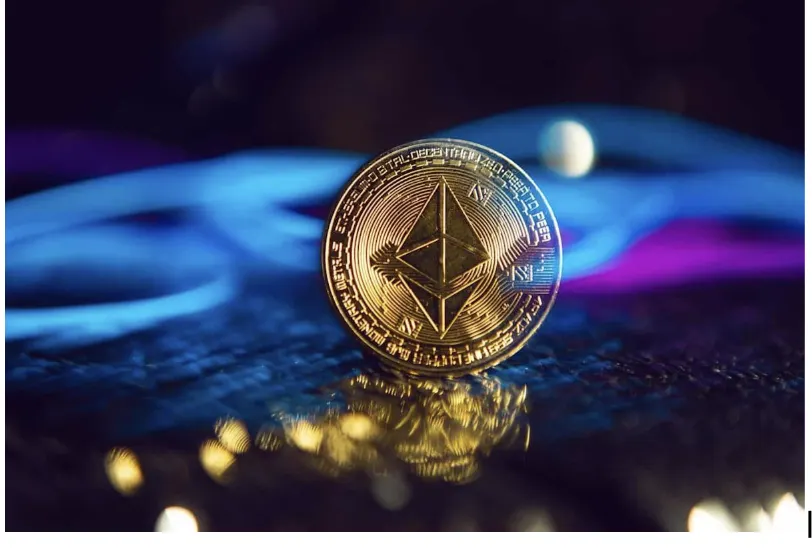 Fusaka goes live, boosting ETH and sparking altcoin momentum. (Image Source: AOL.com)
What Fusaka Actually Does: Behind the Buzzwords
Ultimately, Fusaka is not about innovative functionality, nor is it about cool applications. Infrastructure is what it is. Ethereum is working on a stronger, faster, and more economical foundation, and it has the potential to impact the entire world of cryptography.
Key Technical Upgrades
- PeerDAS (Peer Data Availability Sampling)
PeerDAS allows validators to randomly sample blobs (data on Layer-2 rollups) rather than having to download each piece of data. This has been made more efficient by Fusaka, which allows validators to only randomly sample blobs to prove their validity. - Block Gas Limit Rise
Fusaka increases the block gas limit substantially (from earlier 45 M to 60 M, and plans may increase it further). As a result, more transactions and more complex contracts will be able to be executed within each block, meaning more throughput. - EVM Improvement and Novel Opcodes
Developers are provided with a cleaner and more optimal execution context. The upgrade is expected to slim down the runtime of contract execution, improve support for cryptographic signatures (including secp256r1, which implies passkey and hardware-key support is on the cards), and future-proof numerous EVM components. - Improved Layer-2 Scalability
With reduced overheads on handling data, Fusaka enables cheaper and faster Layer-2 scalability techniques such as rollups and scaling networks. Lower costs and faster confirmation times could pave the way to increased usability.
Why Market Sentiment is Heating Up, Not Just for ETH
Since Fusaka’s real-world launch, the overall atmosphere on the crypto market has turned hot. Several important drivers are:
- ETH Regains Strong Support – Rally Brewing
ETH has managed to regain support near the US$3,000 mark, which is a very important level. Traders are taking it as a sign of a bullish setup, which could start a new rally. - Analyst Forecasts Are Bullish
Analysts are projecting potential upside well into the $5,000s for ETH, citing improvements in scalability and reduced costs following Fusaka. - An Improvement In the Altcoin Market Ecosystem
As Ethereum continues to improve scalability and transaction costs, it is expected that decentralized applications (DeFi), NFTs, gaming, and Layer-2 Ethereum smart contract platforms will witness increased activity. Traders and developers may shift their interests to promising altcoins, sparking an upgrade in the entire altcoin market. - Institutional and Developer Interest on the Rise
With easier accessibility and increased infrastructure, institutional investments and large-scale projects could prove attractive to Ethereum, potentially leading to increased fund inflows and token issuances.
> tldr on ethereum fusaka
> hard fork goes live
> ethereum keeps running like nothing happened
> no downtime, as usual> peer das activates
> blob space starts opening up with each bpo
> l2s post data for cheaper
> fees slowly drop for users> gas limit jumps to 60m
> more… https://t.co/dnJ35qQqxy pic.twitter.com/xoogFDgnYA— (@Only1temmy) December 4, 2025
Real-World Relevance: What it Means to Consumers
Fusaka is not only relevant to developers and institutional-grade blockchain funds. The improvements have very practical applications, and it does not matter if you are “crypto-native” or interested in experimenting with it.
- Lower Fees, Fast Transactions
With Layer-2 Rollups becoming more efficient and adding more capacity, the expectation is to see lower fees and faster confirmation times, which is a huge benefit for anyone on the Ethereum network. - Improved User Experience and Increased Accessibility
With the inclusion of new cryptography support, such as secp256r1, it is possible to enable device-native authentication methods. Users could potentially skip entering the seed phrase and log into wallets using fingerprint authentication, greatly increasing accessibility. - Increased Value in Layer-2 Networks and dApps
Improved speeds and lowered costs of operations are likely to increase the number of practical applications, such as decentralized finance, gaming, and the tokenization of real assets. This is likely to result in increased value for altcoins.
Taken altogether, Fusaka is not merely an improvement to blockchain, but it restructures Ethereum’s ability to facilitate a real, scalable Web3 ecosystem in 2026 and into the future.
Could This Spark a Genuine ‘Year-End Rally’?
Yes, it is possible. Everything is lining up. Still, to generate a broad market rebound, several things must fall into place.
What’s in Favour?
- Technology improvements are now up and running.
- Positive market sentiment among traders and analysts.
- Improved infrastructure common to ETH and Layer-2-based initiatives.
- An overall ecosystem is ready to develop and thrive when network efficiency improves.
What Could Still Go Wrong?
- Market-related factors such as macroeconomic events or regulatory news can impact the crypto market.
- Upgrades will not necessarily be adopted immediately, and Layer-2 platforms and dApp developers take time to implement improvements.
- Volatility remains, as crypto is prone to overshooting, particularly during hype.
In essence, Fusaka sets the foundation. However, whether the end-of-year rally occurs depends on execution and market adoption.
Which are the Altcoin Industries that Could Reap Benefits, and Why?
- Layer-2s
Layer-2 networks benefit immediately because Ethereum L1 is more competitive and has greater capacity. Fusaka improves validator efficiency by reducing bandwidth and increasing blob sizes, so more data can be published on rollups. This enhances the value proposition for L2S: cheaper settlement and security via Ethereum L1.
What to watch: Total value locked (TVL), active wallets, and new dApp deployments on each L2. These metrics normally influence L2 token prices. - DeFi Primitives and Aggregators
Decentralised exchanges, lending platforms, and cross-chain bridges benefit from increased throughput and reduced costs. More cheap and frequent transactions translate to more on-chain trades, more leverage, and more protocol revenue, which can positively affect governance tokens and fee-share tokens.
What to watch: DEX volume, gas per trade, and fee burn metrics if a protocol burns collected fees. - NFT Platforms and Gaming (Play-to-Earn)
NFT drops and blockchain games are highly sensitive to fees and confirmation times. Lower rollup costs and increased L1 throughput enable more complex on-chain gameplay and lower minting costs, which boost applications reliant on frequent microtransactions.
What to watch: Unique active wallets for gaming and NFT collections, and secondary market turnover. - Infrastructure and Middleware (Indexers, Sequencers, Oracles)
Projects that provide indexing, data availability, sequencer services, or oracle feeds benefit because builders will pay more to scale when the base layer cooperates. Increased demand is expected for middleware that smooths Layer-2 user experiences.
What to watch: Developer activity, new protocol integrations, and GitHub repository updates. - Real-World Asset Tokenization
Lower settlement costs make atomic settlement of tokenized real-world assets such as bonds, invoices, or property shares more feasible. Institutional participants interested in tokenized cashflows now have superior economics for using Ethereum rails.
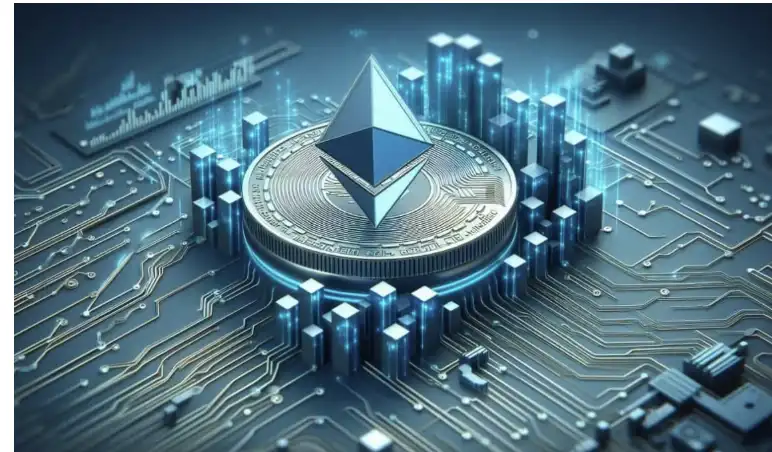
Layer-2s, DeFi, NFTs, gaming, and tokenized assets benefit from Fusaka. (Image Source: Hackread)
On-Chain Indicators Leading to Price Rotations
Market rotations into altcoins seldom begin with prices. Here are some leading indicators to watch:
- Net Exchange Flows
A sharp decline in ETH and/or an alternative coin flow into exchanges indicates buying. High flow amounts indicate possible sales. - Active Addresses and New Contract Creation
An increase in unique active addresses on Layer-2 networks and DeFi protocols often happens before the increase in TVL and demand. - Gas Per User and Blob Usage
More blob uploads and/or overall network throughput since Fusaka indicate rollups are utilising capacity, which is a very bullish indicator of productivity. - Whale Accumulations
Addition of ETH and Layer-2 tokens to on-chain wallets over several weeks indicates a strong commitment to the notion that fundamentals will ultimately prove important.
How to Assess an Altcoin Under the Fusaka Era: A Checklist
- Product-Market Fit
Does the project tackle a real cost or UX issue that Fusaka is able to deliver more cheaply? - Layer Allegiance
Does the token belong to L2 or to L1, which has a more direct benefit to blobs? - Developer Velocity
Lots of commits and open PRs indicate teams are working to deliver integrations that leverage Fusaka. - Liquidity & TVL Health
Lack of liquidity causes high volatility. When TVL is healthy, it is less vulnerable to manipulations. - Token Economics
Does it capture value such as fees, governance revenues, and staking rewards, or is it purely speculative? - Partnership Map
Institutional integrations, including custody, listings, and audits, are important to long-term demand.
This checklist should also be applied to any altcoin before assuming it is a “Fusaka winner.”
Concepts Regarding Trading and Risk Management
- Enter Positions Staggered
Do not buy the full allocation during upgrade excitement. Wait for time-weighted entry positions when metrics are verified, such as growing Layer-2 TVL and increased active wallets. - Size by Conviction
Increase allocations to projects that pass the checklist and demonstrate early adoption. Smaller allocations should go to more speculative tokens. - Exit Conditions Must Be Defined
Before entering a trade, define the exit price, percent drawdown, and/or on-chain signal. Hype cycles turn quickly. - Use On-Chain Stops When Possible
Some protocols support the execution of limit or stop orders on-chain, which minimises slippage during fast moves. - Avoid Leverage During the Upgrade Cycle
An upgrade increases volatility. Using leverage multiplies both potential gains and risks.
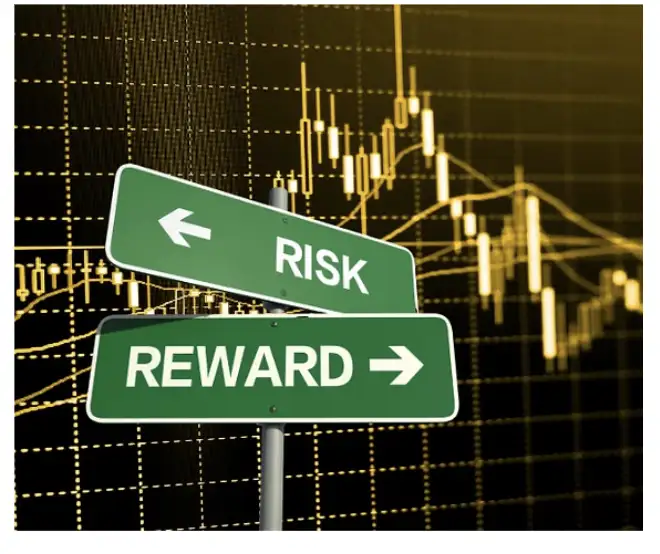
Trade smart: stagger entries, set exits, use on-chain stops, avoid leverage. (Image Source: Traders Corner)
Historical Context: Why Upgrades Sometimes Precede Alt Seasons
Ethereum has a history where each significant upgrade laid the foundation but did not yield immediate results. Pectra and earlier EIPs increased Ethereum’s throughput, which led to greater developer interaction and TVL, and eventually to higher token value. Friction has been minimised by the upgrade; what remains is adoption, which takes time.
Fusaka accelerates this timeline by addressing the cost of validation and data availability. Adoption is a socio-technical process and depends on developers, tools, and ecosystem engagement, not just on EVM instructions.
Also Read: XRP Price Forecast 2025: Vanguard Shift Ignites New Demand
Macro and Regulatory Risks That Could Spoil an Altcoin Rally
- Macro Liquidity
If risk assets face a loss of macro liquidity due to rate shocks or sudden dislocations, the rally could stall regardless of technology improvements. - Regulation
New regulations affecting exchanges, token listings, or stablecoins could negatively influence market sentiment and liquidity for altcoins. - Execution Risk
Bugs, improperly configured Layer-2 sequencers, or slow integration speeds could dampen adoption. - Narrative Fatigue
The market is prone to hype around “upgrade and problems will go away” narratives; sustainable rallies require real usage.
Altcoin rallies face risks from liquidity, regulation, execution, and hype. (Image Source: AInvest)
Some Possible Future Scenarios Over the Next 3–6 Months
- Measuring Adoption, Select Alt Rallies
Layer-2s and DeFi tokens increase with adoption, while meme coins remain flat until macro market conditions improve. (High probability) - Fast Rotation into Altcoins
A spike in TVL combined with ETF or institutional inflows could trigger rapid rotation into altcoins, producing a steep alt season. (Medium probability if macro conditions remain favourable) - Fundamentals Don’t Translate to Technical Wins
Technical victories may not counteract macro headwinds. ETH could see gains, but altcoins may lag. (Real possibility)
Conclusion: A Constructive Scepticism
Fusaka adds significant value to Ethereum’s infrastructure. It removes several cost and UX barriers to high-frequency on-chain transactions. Likely near-term beneficiaries include Layer-2 tokens, DeFi primitives, NFT platforms, and gaming platforms.
Nevertheless, a robust market structure will not appear overnight. Traders should monitor adoption metrics such as TVL, active wallets, block/blob usage, and exchange flows, while applying risk management rules. If adoption follows the technological improvements, a potential altcoin season could emerge. If macroeconomic or regulatory headwinds develop, Fusaka’s gains may remain underpriced temporarily.
Frequently Asked Questions
- Will Fusaka enable “free” transactions?
No. Fusaka reduces costs on data availability but does not make transactions free. High demand can still increase fees. - What single token should I buy now?
Specific financial advice is not provided. Use the checklist above and focus on tokens with utility tied to increased throughput and cheaper Layer-2 settlement. - How quickly will developers migrate their dApps to take advantage of Fusaka?
Migration speeds vary. Wallet and tooling updates may occur within weeks, but deeper protocol changes and integrations could take months. Watch GitHub and Layer-2 SDKs for updates. - Does Fusaka render Bitcoin unnecessary?
No. Bitcoin and Ethereum serve different purposes. Fusaka strengthens Ethereum’s app layer, which may encourage capital rotation into altcoins, but macro narratives and Bitcoin’s role remain important. - What is Fusaka exactly?
Fusaka is a hard fork on Ethereum, activated on 3 December 2025. It introduces Peer Data Availability Sampling (PeerDAS), elevated block gas limits, improvements to EVM, and Layer-2 scalability support. - Why is it important to Layer-2 networks?
Fusaka lightens the data and storage load on validators, allowing rollups to post more transaction information at lower cost. Layer-2 scaling solutions can operate faster and more cheaply. - Will ETH prices actually go beyond US$5,000 soon?
Some forecasts suggest it is possible due to improved scalability, institutional demand, and infrastructure, but cryptocurrency volatility remains high. - What implications does this have for altcoins and the market?
Ethereum’s improved efficiency may encourage more applications, including altcoins, DeFi, NFT projects, and Layer-2 networks, potentially triggering increased investments in the ecosystem.