

The price drop of Bitcoin in December 2025 raised concerns all over the world, and the market sentiment shifted sharply downwards. The decline occurred just after the Bank of Japan signalled that a rate hike might be in the offing.
This speculation drove the yields on Japanese government bonds to the highest levels in several years and also gave a boost to the yen, which in turn lowered the demand for risk assets.
A large number of traders were quick to reduce their risk as the volatility was escalating. This whole situation acted like a domino effect, and crypto markets felt it within a few hours.
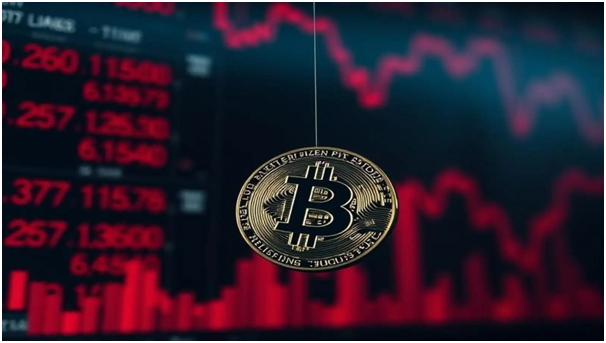
Bitcoin plunged as BOJ hike fears triggered a global risk-off sentiment shift.
How Deep Was The Bitcoin And Crypto Sell-Off?
The drop in the price of Bitcoin was quite marked as it went below the US$87,500 mark during the Asian trading hours. The selling pressure resulted in massive liquidations of traders getting out of long positions in Bitcoin, with the amount going as high as US$150 million liquidated.
The quick price swings reflected the huge role of leverage in the virtual asset markets. When Bitcoin reached the bottom, many altcoins went down along with it, which was indicative of a general decrease in the appetite for risky trades. The fall in Bitcoin price also demonstrated that contemporary crypto markets are highly responsive to global macroeconomic signals.
What Drove The Surge In Japanese Bond Yields?
Speculation about the BOJ’s rate hike in 2025 became stronger after the officials dropped hints about the possibility of shifting away from the decade-long ultra-loose monetary policy.
The yield on Japanese two-year government bonds was around 1.01 per cent, which was their highest level since 2008. This sudden hike astonished the traders, as they had been using cheap Japanese funding for a long time.
The quick transition forced the investors to liquidate various positions that were related to yen-funded strategies. Asian markets were clearly in a risk-off mood as liquidity got tighter. The digital assets were rendered even more susceptible due to those conditions.

Speculation strengthened as yields surged, forcing liquidations and deepening Asia’s risk-off mood.
Risk-Off Mood Spreads Across Asian Markets
The risk-off wave was not only limited to cryptocurrencies but also spread to regional equities and currencies. Asian stock indices were affected by the pressure on corporate valuations from the increase in yields and the stronger yen. Investors were looking for safe assets and, at the same time, reducing their exposure to sectors that are linked to consumer spending and global trade.
The shift in positioning has made the market conditions even more difficult for cryptocurrencies, as they are very much dependent on positive sentiment and liquidity. Hence, the Bitcoin price drop in December 2025 turned out to be part of a larger financial adjustment rather than an isolated incident.
Traders Focus On BOJ’s Next Move
Now the market participants are keeping an eye on the Bank of Japan’s every statement as December goes by. A further hawkish message could keep the global risk assets under pressure. The yen’s movements will also be monitored closely as they are the main factor behind the investment flows and market volatility.
As for Bitcoin, the traders think the situation will remain uncertain until there is more global interest-rate direction. If monetary tightening accelerates, crypto markets may experience more turbulence. On the other hand, if the BOJ softens its stance, then stabilisation may occur quickly.

Traders watch BOJ signals as yen drives volatility and Bitcoin uncertainty.
Bitcoin Latest Updates Reflect Macro Sensitivity
The recent developments in Bitcoin indicate that the cryptocurrency markets have become extremely reactive to global macro happenings. The price movements of Bitcoin are more similar to those of equities and bonds than in the past. Digital-asset performance is now determined by central-bank decisions, yield changes, and currency movements.
This trend indicates that crypto has become a mainstream investment class that is directly influenced by the major economic developments. The Bitcoin price drop in December 2025 is a clear example of that connection and suggests that similar episodes may occur in future shifts as well.
FAQs
Q: Will Bitcoin manage to regain its lost ground from the December 2025 downturn?
Bitcoin’s recovery is possible if there is global liquidity stabilisation and bond yield pressure relaxation. A central bank’s less strict monetary policy could lead to a return of investor confidence.
Q: Is there a single reason, the BOJ rate-hike speculation, that accounts for the entire crypto market collapse?
No, the crypto slump is multifactorial; besides the BOJ rate hike speculation, it is also caused by leveraged trading, reduced liquidity, and the prevailing risk aversion in the Asian markets.
Q: Are the cryptocurrencies going to be unstable for some time to come?
The uncertainty related to the central banks’ decisions and the changes in the global interest rates is the main reason for the expected high volatility in the market.
Q: Are long-term investors’ worries about this drop justified?
Long-term investors usually consider macro-driven corrections as short-lived. They often interpret steep drops as an opportunity to enter the market depending on their risk appetite.