

The global cryptocurrency markets entered a new regulatory phase in 2025 after the US Securities and Exchange Commission underwent a leadership transition. Cornerstone Research data showed a substantial decrease in enforcement activities.
The shift followed President Donald Trump’s appointment of Paul Atkins as SEC chair. The analysts currently study how SEC cryptocurrency enforcement will impact investor confidence until 2026.
Why Did SEC Cryptocurrency Enforcement Fall So Sharply In 2025?
In 2025, the SEC took 13 crypto-related enforcement actions compared to 33 in 2024. This was 60 percent decrease and the lowest since 2017. The five cases began during the tenure of previous chair Gary Gensler, who left in January 2025.
Eight cases had started under Atkins and were primarily concerned with the allegations of fraud. The participants in the market took the change to mean the abandonment of the wide-scale registration clashes and the protracted legal wrangles.
Investors were relieved to have less litigation pressure but were still unsatisfied with regulatory certainty. Most companies kept building on compliance structures and controlling the future direction indicators.
SEC enforcement data shows that crypto-related actions are decreasing significantly in 2025. [The Block]
Fewer Cases Signal A Narrower Regulatory Strategy
Cornerstone Research stated that 29 actions related to cryptocurrencies were settled in 2025. Seven cases were rejected with Atkins, and this indicates a less strong stance of enforcement.
Comprehensive financial fines were up to $142M in the year. This figure constituted less than three per cent of fines that were handed out in 2024. The drop reduced the short-term risks to digital asset operators and justified limited gains in the institutional sentiment.
Nevertheless, a decrease in the amount of enforcement does not eliminate oversight expectations. Regulators are keeping a watch on fraud risks and the integrity of markets in exchanges. Companies uphold governance controls and reporting standards to provide compliance exposure management.
Is The SEC Crypto Crackdown Losing Its Bite Or Simply Refocusing?
Analysts assume that the SEC crypto crackdown has become less discriminatory instead of being as strong. Cases are now focused on obvious investor injuries rather than hair-plitting issues of interpretation of the registration.
Courts normally prefer cases that have quantifiable losses and direct damages. This plan enhances efficiency in the law and minimises lengthy litigation processes.
Regulatory adjustments did not cause market volatility. Trading activity slowly resumed in leading exchanges. The level of compliance expenditure is high because the world is coordinated in respect of regulation and reporting requirements.

Crypto markets make changes as regulators focus on specific strategies of fraud enforcement. [Business Today]
Regulatory Frameworks May Replace Courtroom Battles
Cornerstone Research, a research conducted by Robert Letson, indicated that enforcement is a product of emerging priorities in the regulation of digital assets. In April 2025, Atkins was elected to become the new leader after a short interim leadership.
A more subdued tone in the agency was monitored by legal observers following the transition. Policy formulation is emerging as more consultative among stakeholders in industries.
The industry stakeholders expect a better set of guidelines and agreed operational policies. Regulatory sandboxes can be expanded to accommodate blockchain testing and innovation channels.
Will Crypto Crackdown 2026 Deliver Predictable Policy Direction?
The expectations of the crypto crackdown 2026 focus on formal rulemaking as opposed to unexpected litigation. Agencies can publish less ambiguous custody, disclosure and token classification systems.
The world regulators are still harmonising with each other through cross-border coordination programs. Predictable enforcement behaviour and transparency are critical to capital inflows.
Market strategists are of the opinion that regulatory transparency favours the momentum of institutional adoption. There can also be the introduction of better consumer protections and disclosure standards, which would increase retail participation.
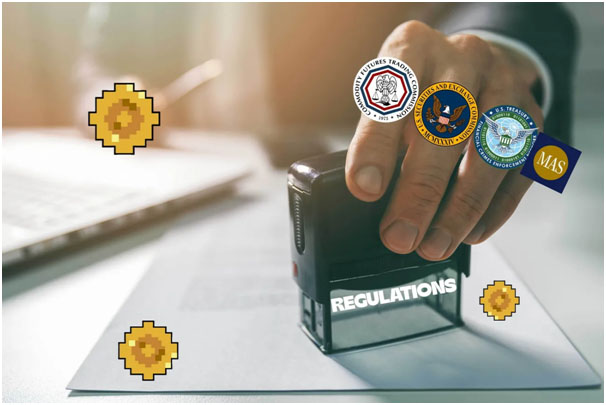
The next market trigger is the regulatory clarity, and investors will follow the policy developments. [Blockhead]
Investors Monitor SEC Cryptocurrency Enforcement Metrics Closely
Among the leading indicators that investors follow are the volumes of enforcement, the trends of the penalties and the rate of dismissals. Lower activities facilitate stability in valuation amongst blockchain equities and service providers. Political cycles still have the possibility of making sudden changes in policies.
Long-term capital market confidence and ecosystem maturity will be formed through transparency and consistency. Technology innovation prevails in decentralised finance and tokenised assets. The balanced control is crucial to the sustainable growth and trust of investors.
Also Read: Crypto Wallet Trends in 2026: How Seedless Recovery and MPC Are Transforming Blockchain Self-Custody
FAQs
Q1. What led to the SEC cryptocurrency enforcement decrease in 2025?
A1: The transformation in leadership and strategic change to cases based on fraud minimised overall enforcement activity.
Q2. What is the amount of crypto-related penalties in 2025?
A2: Fines amounted to 142M, or less than 3 per cent of 2024 penalty amounts.
Q3. Does crypto still impact crypto companies?
A3: Yes, even now, compliance planning and operational governance are influenced by targeted enforcement.
Q4. What might be the priorities of Crypto Crackdown 2026?
A4: The analysts are looking forward to less ambiguity in rulemaking, new guidelines, and negotiated standards.