

Blockchain networks operate as distributed computing systems with fixed execution capacity per block. Users submit transactions to a shared queue called the mempool to secure computing resources. Network protocols adjust transaction costs dynamically through automated auction mechanisms based on mempool congestion.
The Ethereum network caps computational throughput at 30 million gas units per 12-second block. When user submissions exceed the target limit of 15 million gas units, the base fee mechanism increases costs exponentially. Data from blockchain analytics platforms records base fee movements from 5 gwei during low-activity periods to over 150 gwei during peak congestion cycles.
Recent protocol upgrades introduced dedicated data storage lanes called blobs to separate standard transaction execution from rollup data storage. Layer 2 networks purchase this blob space to settle transactions on Layer 1 infrastructure. This structural shift reorganised the supply and demand balance across the wider ecosystem.
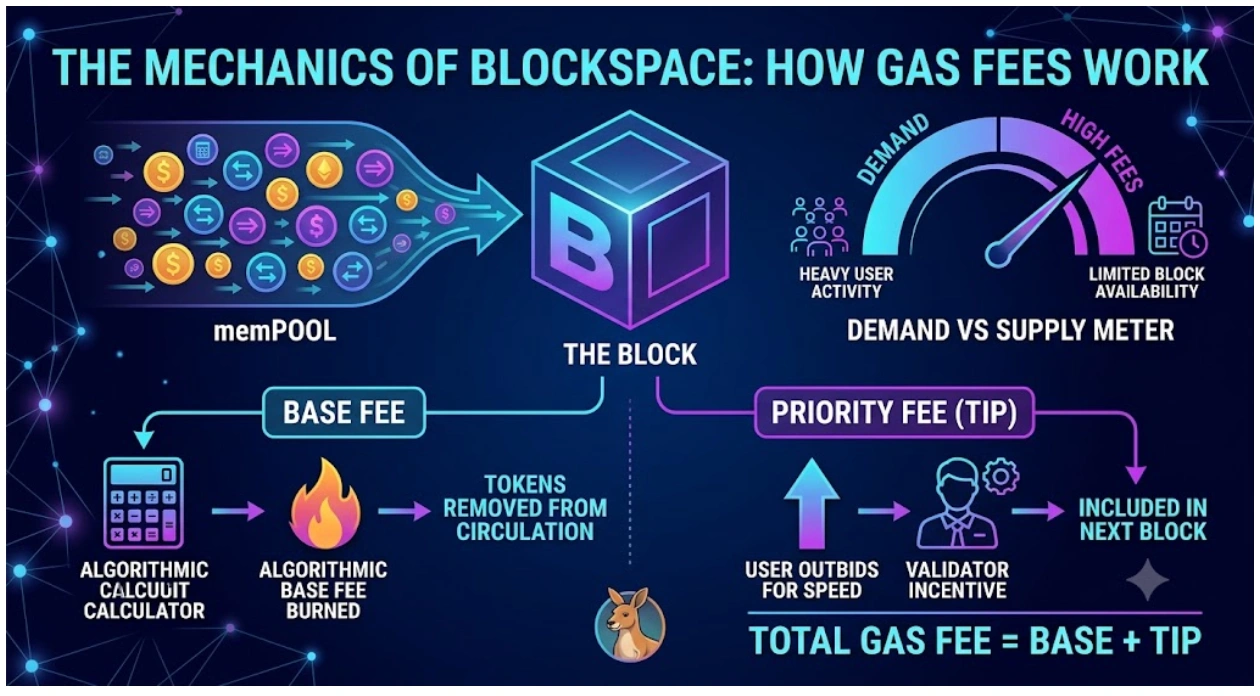 Figure 1: Demand Vs. Supply: How Blockspace Fees Are Calculated
Network validators sequence transactions by evaluating priority fees that users attach to their transfers. Users who submit higher bids secure faster inclusion into the next available block.
- Block gas targets establish execution limits at 15 million gas units per block.
- The EIP-1559 protocol algorithmically burns the base fee to regulate token supply.
- Priority fees incentivise validators to sequence specific transactions first.
- Dedicated data blobs expand storage capacity for secondary execution networks.
The Significance of Transaction Fees
Transaction fees dictate user access to decentralised finance, gaming platforms, and digital asset settlements. High gas prices prevent microtransactions and exclude participants with smaller capital allocations. Predictable execution costs enable enterprises to deploy consumer software on blockchain infrastructure.
Gas fees directly affect settlement security and network decentralisation. Transaction costs compensate network validators who verify state changes and maintain network consensus. Without adequate fee revenue, networks face security vulnerabilities and reduced node operator participation.
Capital allocators monitor gas expenditure as a primary indicator of network utilisation and economic sustainability. Protocol revenue models depend on transaction volume to offset native token issuance rates. Market participants evaluate real network adoption by analysing fee generation metrics rather than speculative token valuations.
- Transaction fee volatility directly alters user operating expenses across decentralised applications.
- Validator compensation funds the security budget of proof-of-stake consensus systems.
- Predictable cost structures encourage enterprise adoption of public distributed ledgers.
- Fee burn mechanisms introduce deflationary pressure on underlying protocol tokens.
Key Ecosystem Participants
Validators manage the block production process across proof-of-stake and proof-of-work architectures. These infrastructure operators run physical server hardware and receive priority tips from users who seek immediate settlement. Primary validation entities include liquid staking protocols such as Lido, institutional staking operators, and independent node runners.
Decentralised finance protocols, non-fungible token marketplaces, and automated market makers generate consistent blockspace demand. Platforms such as Uniswap, Aave, and OpenSea consume computational capacity during volatility cycles. Algorithmic trading firms and maximal extractable value searchers submit competing bids to sequence arbitrage transactions ahead of standard consumer orders.
Layer 2 development teams and infrastructure companies build scaling frameworks to process transactions outside the base layer. Organisations like Arbitrum Foundation, OP Labs, StarkWare, and Matter Labs engineer rollup protocols. These entities aggregate transactions into batches and purchase mainnet blockspace to anchor state proofs.
- Staking pool operators and independent validators maintain block production hardware.
- Decentralised exchange protocols generate smart contract interaction volume.
- Maximal extractable value bots execute automated arbitrage across liquidity pools.
- Layer 2 scaling teams deploy rollups to compress user transaction volume.
Global Network Distribution
Blockspace auctions occur across globally distributed ledger architectures without a central clearing house. Nodes in Australia, North America, Europe, and Asia synchronise ledger state continuously over peer-to-peer connections. The mempool exists across this decentralised node topology simultaneously.
The Ethereum mainnet functions as the primary settlement layer for high-value financial transactions. Secondary execution environments, including Arbitrum One, Optimism Mainnet, and Base, process consumer transactions off-chain. Alternative data availability layers like Celestia and EigenDA provide additional capacity for blockspace distribution.
Regional infrastructure rules influence where node operators deploy physical server hardware. Staking operators establish validation hardware in jurisdictions with stable energy infrastructure and low-latency network connections. This geographical distribution preserves network fault tolerance across international borders.
- Distributed server clusters operate continuously across international node networks.
- Layer 1 settlement networks anchor transactions originating on Layer 2 rollups.
- Secondary execution layers process user interactions within off-chain environments.
- Data availability networks store transaction batches outside main execution clients.
Timeline of Protocol Milestones
The Ethereum network overhauled its fee architecture in August 2021 through the London hard fork and the activation of EIP-1559. In March 2024, the Dencun upgrade implemented EIP-4844 to introduce proto-danksharding and blob transactions. These milestones established the modern dual-fee structure that separates execution gas from data storage gas.
Gas price volatility tracks real-time market cycles and trading events. Spikes in network fees occur during liquidations, asset mints, and major macroeconomic announcements. During calm trading periods, gas prices decline to single-digit gwei levels as transaction competition dissipates.
Protocol developers schedule future upgrades to expand execution capacity further over the multi-year development roadmap. Future improvements such as peer data availability sampling and state expiry will alter blockspace delivery schedules between 2025 and 2027. Network engineers maintain continuous testing environments to prepare client software for these scheduled transitions.
- August 2021 marked the deployment of EIP-1559 algorithmic base fee pricing.
- March 2024 marked the activation of EIP-4844 data blob allocations.
- Real-time network demand shifts gas prices within single 12-second block intervals.
- The 2025 to 2027 development roadmap targets expanded data sampling mechanisms.
Future of Scalability and Architecture
Blockspace allocation functions through dynamic algorithmic pricing rules. Users submit a transaction with two fee parameters: a base fee ceiling and a validator priority tip. The network burns the base fee entirely, which removes native currency from circulation and counters token inflation.
Rollup networks compress hundreds of individual transactions into cryptographic proofs or fraud-verifiable batches. These rollups then post data batches to Layer 1 blob space at a fraction of standard execution costs. As a result, users on Layer 2 networks pay transaction fees below one Australian cent for standard asset transfers.
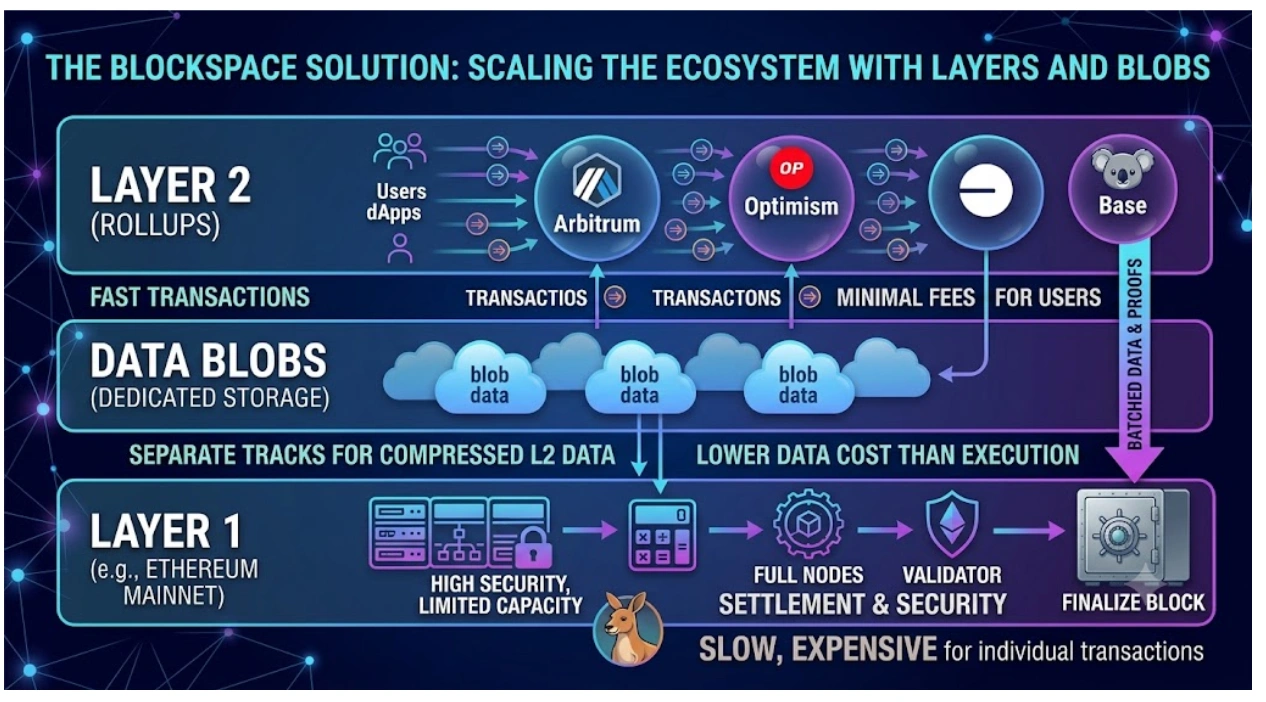 FIgure 2: The Blockspace Solution: Scaling The Ecosystem With Layers And Blobs
The development of modular blockchain architecture will segment execution, consensus, data availability, and settlement into independent network layers. Dedicated data availability networks will compete with Layer 1 settlement chains for rollup data business. This competitive market structure will lower user fees while creating sustainable revenue models for network security providers.
Network engineers will implement advanced data sampling techniques to scale data availability without increasing hardware requirements for individual node operators. These technical improvements will allow public blockchains to handle tens of thousands of transactions per second across layered ecosystems.
- Dynamic base fees adjust automatically to match block target utilisation metrics.
- Layer 2 rollups bundle transactions into single state updates to minimise overhead.
- Modular blockchain architectures separate execution tasks from data availability layers.
- Data availability sampling will expand transaction capacity without raising node costs.
Disclaimer: This article is for informational and educational purposes only and does not constitute financial, investment, legal, or tax advice. The blockchain and cryptocurrency markets are highly volatile, and investments in these assets carry significant risk, including the potential loss of your entire principal. All blockchain-related transactions are subject to network conditions and protocol-specific risks. Please conduct your own thorough research and consult with a qualified professional before making any financial decisions.