
Digital assets are moving rapidly from the financial fringe into mainstream investment portfolios. This major shift depends entirely on one factor. That crucial factor is trust.
Traditional markets solved this accountability question a long time ago. Investors always demand clear rules and firm protections. They must know who holds their wealth safely.
The future of crypto in Australia looks incredibly bright today. Local custody infrastructure is emerging as a critical foundation. It will soon determine how institutions manage digital wealth.
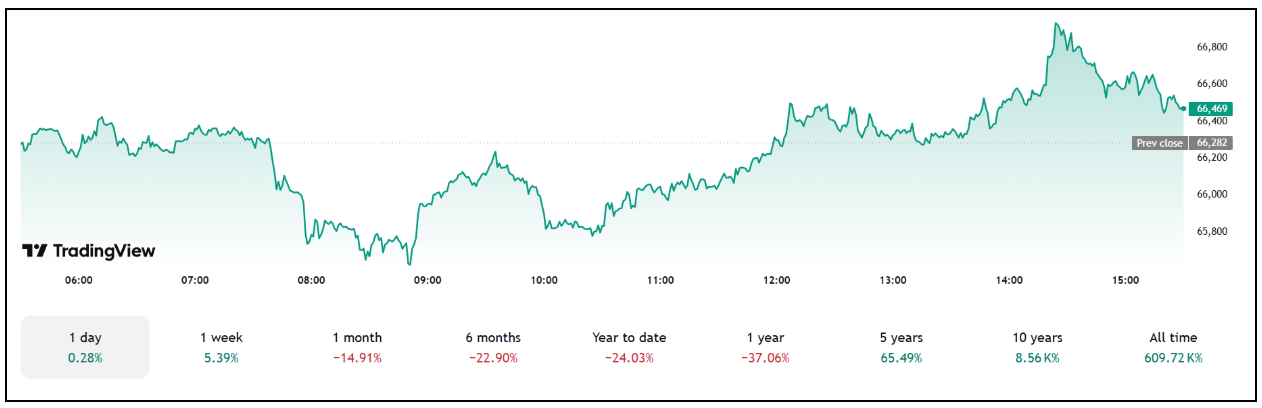 Fig 1: Bitcoin price chart [Trading view]
The Search for Institutional Infrastructure
We are tracking Australia crypto future 2030 closely. Trust will completely redefine mainstream finance over the next few years. Local banks and super funds will adopt these assets.
Traditional finance relies heavily on licences and governance. Strict fiduciary obligations ensure independent oversight of all assets. This structure safeguards client funds in segregated accounts.
Historically, the digital asset ecosystem lacked these rigid structures. This structural gap limited institutional participation for a long time. Professional investors stayed on the sidelines.
Now, Australian institutions recognise the immense potential of blockchain infrastructure. The efficiency benefits are becoming impossible to ignore. This technology promises faster settlement times.
Blockchain also delivers lower transaction costs for large firms. It creates highly efficient ways to move capital across borders. Asian businesses face heavily fragmented banking systems.
Traditional correspondent banking causes long delays and heavy expenses. Stablecoin-based settlement offers a great solution. It moves funds almost instantly across the globe.
Instant settlement reduces reliance on traditional intermediary banks. This process frees up corporate capital much faster. Still, many institutions remained cautious for years.
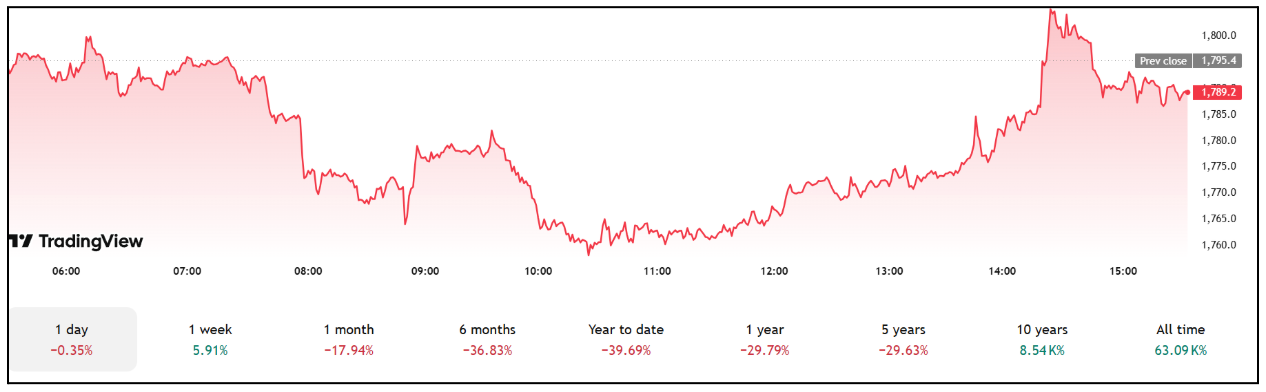 Fig 2: Ethereum price chart [Trading view]
Bridging the Fiduciary Gap
Unresolved questions around compliance and insurance held them back. Fiduciary responsibility remained a major concern for boards. Now, regulatory clarity is improving across Australia.
Market attention is shifting from simple access to robust infrastructure. Custody serves as the main mechanism for this change. It allows digital assets to enter diversified portfolios.
Progressive firms are positioning themselves to address this growing need. Kraken is currently aligning its local custody offering. It meets the exact governance standards of institutions.
Institutional investors expect high security and full accountability. Jonathon Miller manages Kraken’s operations in Australia. He believes super funds should hold digital assets.
Miller compares cryptocurrency to traditional gold holdings in a portfolio. Australia’s evolving regulatory framework provides excellent certainty. Institutional investors have waited for this specific development.
Clear guidelines bring institutional players off the sidelines. The core issue involves more than asset returns. Institutions must satisfy rigorous traditional fiduciary standards.
Australian super funds typically separate key operational roles. They divide duties among trustees, investment managers, and custodians. This model ensures excellent asset governance.
No single party controls all aspects of an investment. Digital assets are now adapting to this model. Kraken utilises a fully segregated wallet environment.
Every client can independently verify their assets on-chain. The platform features multi-party authorisation and insurance. Bankruptcy-remote structures protect client wealth from corporate risks.
Direct custody arrangements offer institutions an excellent alternative. They avoid the high fees of listed investment vehicles. Native bitcoin holdings in auditable addresses cut costs.
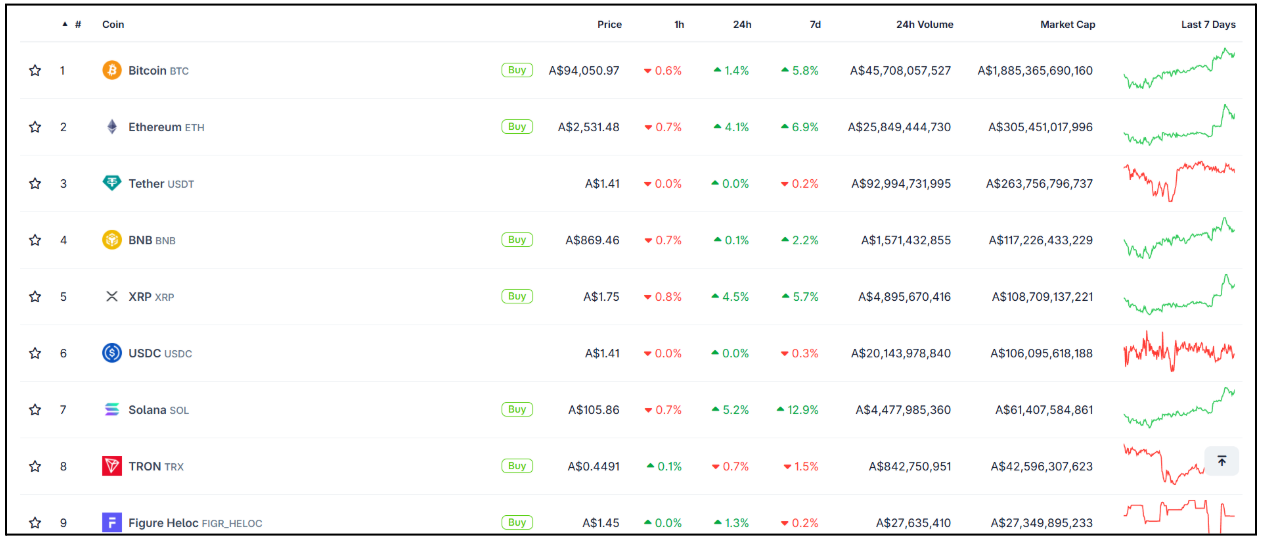 Fig 3: Cryptocurrency price chart [Coingecko]
The Impact of Regulatory Frameworks
Regulators are moving resolutely to formalise industry oversight. We see this clearly via crypto regulation Australia 2026. New rules bring platforms under standard licensing.
The Australian Securities and Investments Commission outlined a roadmap. The Corporations Amendment Act 2026 introduces licensing standards. Tokenised custody providers must follow these operational rules.
The new regime takes full effect in April 2027. An 18-month transition period guides local platforms. ASIC applies traditional custodial principles to digital assets.
These principles-based obligations apply to any financial product form. The shift gives institutional investors immense confidence. Familiar frameworks of governance will protect consumer investments.
Kraken wants to provide vital underlying infrastructure for innovation. The company looks beyond winning super fund mandates. This ambition reflects a wider global financial shift.
Regulatory frameworks are solidifying across major international markets. Institutional-grade custody is becoming widely available. Investors judge digital assets by their actual utility.
Integration into trusted conventional systems matters most today. Practical questions around safety and efficiency dominate debates. Blockchain technology inherently creates trust through encryption.
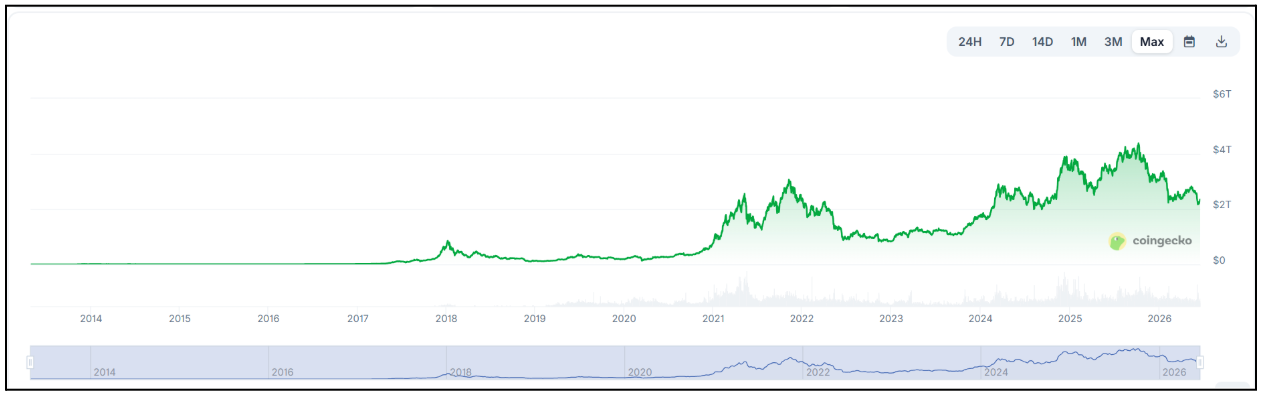 Fig 4: Total Crypto Market Cap Chart [Coingecko]
Overcoming Corporate Governance Challenges
Immutability and consensus algorithms secure the underlying public networks. However, general public perception remains less favourable. Serious trust issues still inhibit broader technology adoption.
Hacking incidents and early scams damaged investor confidence. Money laundering cases also eroded market trust. Traditional financial institutions always provided reliable asset safety.
Crypto exchanges must now deliver that exact same peace of mind. Regulation plays a pivotal role in creating transparency. Government agencies are introducing standard corporate rules.
These rules protect consumers and maintain ecosystem integrity. Independent auditors must provide reasonable assurance to authorities. Systems audits evaluate basic operational trust principles.
Platforms require robust controls for security and availability. Processing integrity and data privacy remain absolutely vital. Inadequate internal controls cause most exchange compromises.
Compliance alone cannot secure the digital asset marketplace. Robust corporate governance regimes must protect investors. Weak cybersecurity programmes create severe operational vulnerabilities.
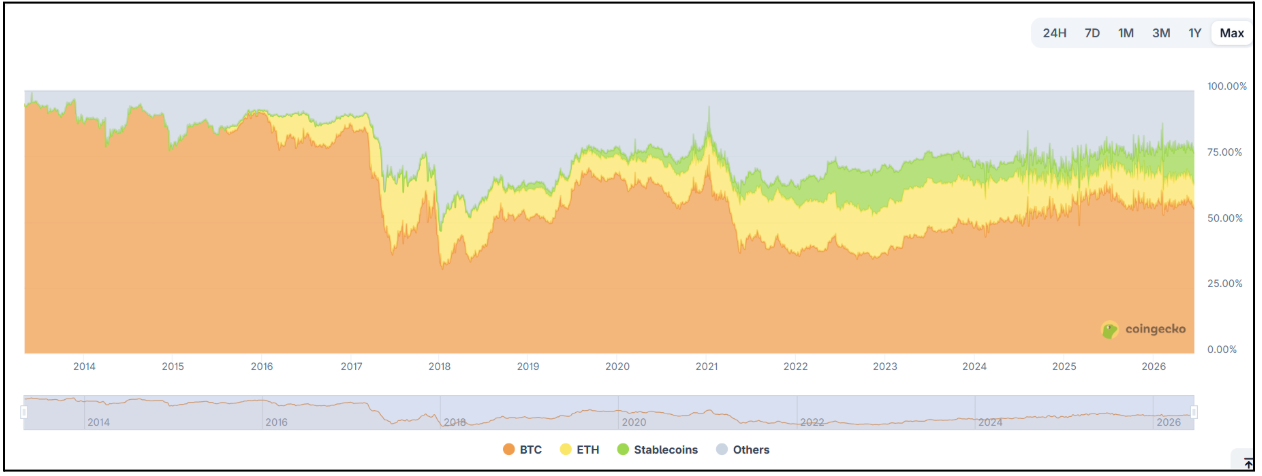 Fig 5: Bitcoin (BTC) Dominance Chart [Coingecko]
Poor key management and weak due diligence invite hackers. Large digital asset volumes attract sophisticated cyber criminals. Hacking incidents translate directly to devastating user losses.
Exchange unavailability also damages overall user confidence. Denial of service attacks slow execution speeds down. Effective cybersecurity programmes prevent these external threats.
Program governance matters far more than total IT spend. Advanced transaction monitoring reconciles user wallet balances. This process matches exchange balances against public ledgers.
Discrepancies indicate unauthorised access to private keys. Software vulnerabilities usually cause asset losses, not blockchain flaws. Private key management determines exchange safety.
Exchanges must ensure key confidentiality and availability. Finding cost-efficient security solutions remains a challenge. Secure key storage and escrow services offer protection.
Cryptographic consultancy provides a vital second opinion before launch. Platforms must improve due diligence during onboarding. Verification requires proof of original fund sources.
Money laundering allegations destroy corporate reputations instantly. Proper due diligence processes manage this severe risk. We are witnessing the convergence of traditional finance.
Also read: Bitcoin’s Next Breakout. How SpaceX’s $1.3B Reserve Shapes the Mark
FAQ
- Will stock exchanges change how we trade assets?
- Stock exchanges will soon host unified trading platforms. Users will trade traditional shares and digital tokens together. This strategic alignment generates deep investor trust.
- Why do crypto platforms collaborate with traditional financial entities?
- Traditional entities offer centuries of regulatory and compliance expertise. Strategic collaborations actively leverage this valuable knowledge base. Global financial hubs are currently testing these integrated models.
- What does the future hold for tokenisation and fiat currency?
- Tokenisation of financial assets will experience exponential growth soon. Fiat currency and crypto assets will coexist productively. This integrated ecosystem will stimulate vital investor trust.
- How do crypto exchanges build reliable market trust?
- Trust remains the most valuable asset for crypto exchanges. Third-party auditors bridge the internal control maturity gap. They provide the independent assurance services necessary for growth. Reputable certification helps entities achieve a higher trust factor. Thorough systems audits evaluate all basic operational trust principles.
- How will this framework impact mainstream finance?
- This robust framework will secure Australia crypto future 2030. Mainstream finance will fully embrace this digital asset era. Institutional investors will confidently enter the regulated market.
Also read: Blockworks Acquires Messari to Dominate Onchain Market Data
Disclaimer
This article is meant only for informational purposes. If you are an investor who is watching crypto market closely, all the data published in the content is sourced from announcements and external sources. Kindly verify all information related to the share price and market data. Any investment should be made at the investor’s own risk. Crafmin does not hold any position in the above-mentioned Company.
———————-
Source: