

Paris Saint-Germain (PSG), the globally renowned French football club, has made headlines by officially adding Bitcoin (BTC) to its treasury. It’s not just a nod to digital innovation—it’s a landmark moment for both the sports and crypto sectors.
While PSG is no stranger to breaking boundaries on the pitch, it’s now redefining the game off it—making Bitcoin part of its long-term financial blueprint. In doing so, the club is signalling a shift in how professional sports organisations handle wealth, risk, and opportunity in the 21st century.

PSG Makes History with Bitcoin: Ushering in a New Era of Football Finance ( Image Source: The Crypto Times )
Bitcoin in the Club’s Vault: What Does It Mean?
Visualise one of Europe’s footballing giants not only collecting silverware but also securing its future through Bitcoin reserves. That’s now a reality.
PSG has formally integrated Bitcoin into its financial holdings, joining an elite list of institutional adopters that includes some of the world’s most innovative tech firms and hedge funds. But PSG’s leap carries a unique kind of cultural impact—one rooted in football’s mass appeal and emotional resonance.
This isn’t a marketing stunt or speculative investment. It’s part of a calculated, strategic shift.
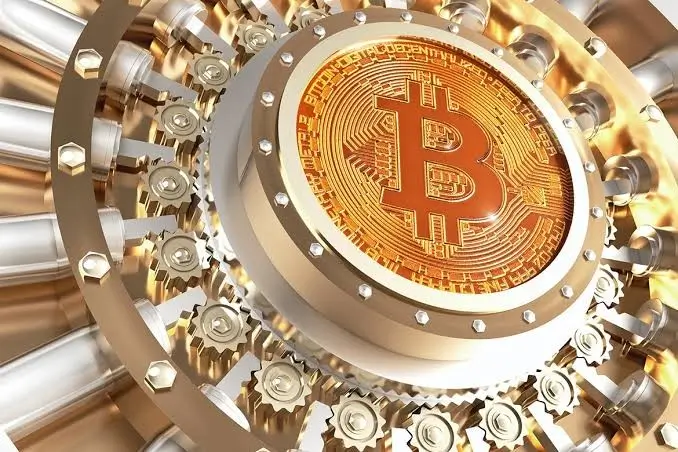
Bitcoin Enters PSG’s Vault: What’s the Real Impact? ( Image Source: Coinspeaker )
Why Now? The Case for Bitcoin in Sports Finance
Global inflation is rising, traditional currencies are becoming increasingly volatile, and trust in centralised banking systems is waning. Against this backdrop, Bitcoin has emerged as a decentralised, deflationary alternative to fiat currency.
PSG’s move is, in many ways, a response to these shifting macroeconomic conditions. It’s about hedging risk while embracing opportunity. Diversifying treasury reserves with BTC is not a gamble—it’s a modern approach to asset protection and long-term value retention.
Football clubs are large financial machines. And now, PSG is betting that blockchain technology is the engine of the future.
From Tech to Turf: Institutional Adoption Goes Mainstream
Until now, Bitcoin adoption was mostly confined to tech firms, venture capitalists, and financial institutions. PSG changes that. This is mainstream sport stepping into crypto territory—not with hesitation, but with conviction.
It reflects a new chapter in institutional adoption—where brands built on tradition and fandom align with technologies built on disruption and decentralisation.
That alignment signals something important: crypto is no longer just for coders and speculators. It’s for communities, clubs, and cultures.
PSG’s Crypto Legacy: From Fan Tokens to Bitcoin Reserves
This isn’t PSG’s first foray into crypto. In 2018, the club partnered with blockchain platform Socios.com to launch PSG Fan Tokens—digital assets that gave supporters a stake in club decisions and access to exclusive rewards.
That initiative helped fans become more involved, but it also introduced PSG to the world of digital assets and tokenised engagement.
Adding Bitcoin to the treasury is the next logical step. It’s a deeper, more structural embrace of blockchain as both a financial tool and a vision of the future.

PSG’s Crypto Journey: Evolving from Fan Tokens to Bitcoin Holdings ( Image Source: CryptoSlate )
What It Means for Fans, Both Crypto-Savvy and Casual
Whether you’re a crypto maximalist or just someone who loves watching Messi, this move impacts you.
For crypto investors, PSG’s decision provides validation. If a legacy-rich club like PSG sees Bitcoin as a store of value, that strengthens the currency’s mainstream appeal.
For everyday fans, it shows that PSG is adapting to the digital world in ways that could benefit them—through token-based loyalty programmes, Bitcoin-based ticketing perks, and exclusive access tied to blockchain engagement.
Innovation at the treasury level often trickles down to the fan experience.

What This Means for Fans, Whether Crypto Experts or Casual Supporters ( Image Source: The Independent )
Diversification at Its Best: A New Financial Model for Sports Clubs
Sports organisations typically keep treasury funds in cash, bonds, or other low-risk instruments. However, rising inflation and sluggish returns are forcing many to reconsider.
By adding Bitcoin, PSG is building a diversified financial base that’s more aligned with 21st-century economics. BTC’s fixed supply and decentralised nature offer security and long-term growth potential unmatched by many traditional assets.
This isn’t about betting big. It’s about balancing portfolios in an unpredictable financial world.
Also Read: JPMorgan Opens Bitcoin Access to Clients Despite Dimon’s Crypto Criticism
Football and Crypto: A Growing Bond
PSG is far from the only club exploring crypto. Manchester City, FC Barcelona, Juventus, and others have dabbled in fan tokens, NFT collections, and blockchain sponsorships.
But holding Bitcoin in reserves is another level altogether.
It shows that crypto is no longer a novelty or experiment in football—it’s becoming part of the operating structure. Expect other clubs to follow suit, especially as they explore new revenue streams and modernise their financial strategies.
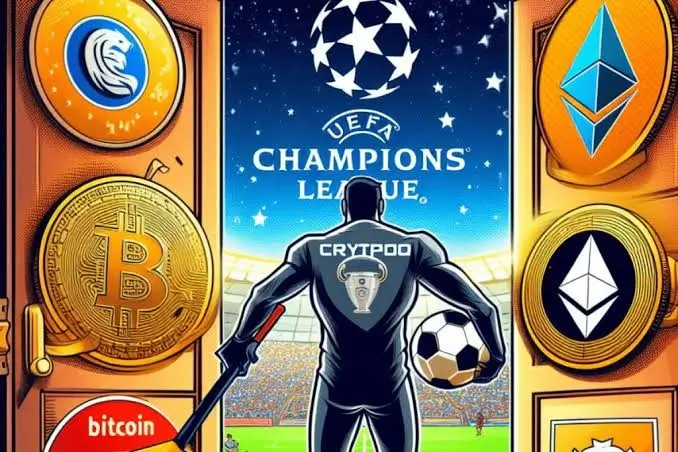
Football and Crypto: Strengthening Connections ( Image Source: Cointribune )
The Cultural Crossover: Passion Meets Protocol
Football and crypto have more in common than it seems.
Both operate on tribal loyalty. Both thrive on real-time engagement. And both have global followings that transcend geography.
PSG’s move symbolises this crossover—a coming together of tradition and tech, of stadiums and servers. The club isn’t just investing in an asset; it’s tapping into a movement.
This kind of cultural shift can change how young fans view value, loyalty, and ownership.
Risks and Regulations: A Measured Gamble
Like any strategic financial decision, this one carries risks.
Bitcoin remains volatile. A sharp price correction could reduce the value of PSG’s holdings. Regulatory frameworks around crypto assets are still developing, especially in Europe. There may be complexities in how such assets are reported and taxed.
However, PSG likely has a team of legal, financial, and tech experts managing these risks.
And innovation always involves a degree of uncertainty.
The club is positioning itself not just as a football powerhouse, but as a financial pioneer.
Blockchain’s Bigger Role in Sport
Bitcoin is just the beginning.
Blockchain tech can enhance everything from ticketing to merchandise verification, real-time player data, contract automation, and fan interaction. Smart contracts could change how transfers and sponsorship deals are handled. NFT-based collectibles could transform club memorabilia.
PSG’s treasury shift might seem like a simple financial decision, but it sets the stage for deeper blockchain integration into sports operations.

The Expanding Role of Blockchain in Sport ( Image Source: City AM )
Setting a Precedent: Will Others Follow?
One of the biggest impacts of this move may be indirect. PSG is lighting a path that others might walk.
Expect clubs in the Premier League, Bundesliga, and Serie A to assess the potential of digital assets. While not all may go the Bitcoin route, many will start to rethink how they manage and grow their financial reserves.
Soon, digital asset diversification could become a benchmark rather than an anomaly.
Digital Reserves: The Next Norm?
In the tech world, MicroStrategy and Tesla led the way by adding Bitcoin to their balance sheets. PSG could become the MicroStrategy of sport.
By doing so, the club is sending a clear message: old rules no longer apply. To stay competitive, sports institutions must think like startups—agile, adaptive, and globally minded.
And nothing says global like Bitcoin.
Fan Engagement: The Untapped Potential of Crypto
This move also unlocks new engagement tools.
Think beyond ticketing. Imagine gamified loyalty systems where holding a certain amount of BTC or fan tokens gets you matchday privileges, limited-edition NFTs, or real-world merchandise discounts.
Football clubs have always sold identity and belonging. Crypto can amplify that through verifiable ownership, customisation, and smart contracts.

Fan Engagement: Unlocking Crypto’s Untapped Potential (Image Source: Fanprime )
A Look Ahead: What the Future May Hold
PSG’s Bitcoin decision could lead to:
- More clubs adopting BTC and Ethereum in their reserves
- Blockchain-based player transfers or contract bonuses
- Tokenised revenue-sharing models
- New partnerships with crypto-native sponsors
- A gradual shift towards decentralised governance
The road ahead is unpredictable—but filled with potential.
Closing Thoughts: PSG’s Financial Masterstroke
Paris Saint-Germain has taken a bold step into the future of finance by adding Bitcoin to its treasury.
This isn’t just an isolated action. It’s a strategic signal to fans, institutions, and the global sporting community that the future is decentralised, diversified, and digital.
As football evolves beyond the pitch, clubs that embrace financial innovation will hold a competitive edge—not just in trophies, but in sustainability and influence.
PSG has shown it’s ready. The question is—who’s next?