

Australia’s mining sector is urging the Albanese government to sharpen its focus on productivity as clean energy goals, labour shortages, and policy ambiguity weigh on output across the industry.
At the 2025 Mining Summit in Perth, leading industry figures from Fortescue, Evolution Mining, and other key players gathered to voice concerns over stagnating growth, strained labour markets, and a policy environment they believe is not keeping pace with global transition demands.

Image 1: Mining Summit Perth 2025 – executives on stage discussing clean energy reforms
Source: [CAMAL Group]
Clean Energy and Innovation: Not Just a Climate Issue
The drive toward clean energy mining is now a productivity issue as much as a climate one. Mining leaders argue that outdated tax structures and regulatory delays are slowing efforts to modernise operations and attract investment in cleaner technologies.
Transitioning to low-emissions energy sources has added capital pressure on mid-tier and junior miners, who say government incentives have so far failed to match the urgency.
Andrew Forrest, Executive Chairman of Fortescue, stated that decarbonisation cannot be achieved without accelerated investment in mining technology—and without the policy clarity to support it.
Australian Mining Productivity Risks Stalling
Despite record exports and favourable global demand, Australian mining productivity growth has tapered. Mining firms warn that regulatory bottlenecks and inconsistent support for innovation could erode Australia’s long-term competitiveness.
Among the issues raised:
- Lengthy permitting timelines for new and expanded projects
- Lack of incentives for tech-based efficiency gains
- Ongoing dependency on diesel, despite green targets
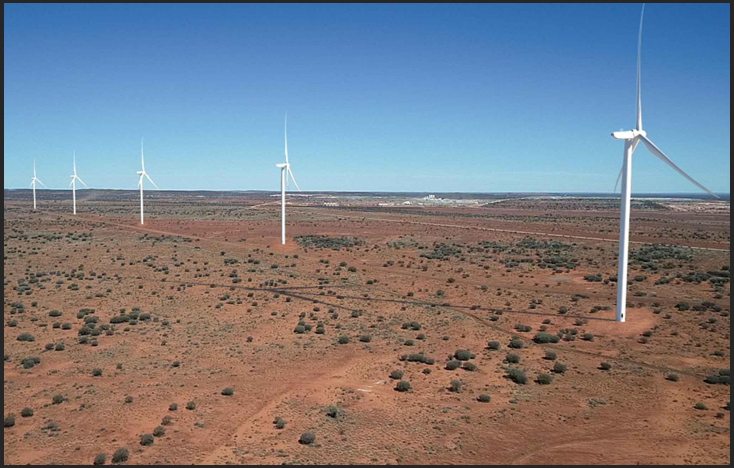
Image 2: Mining site with hybrid energy infrastructure in outback Australia
Source: Australian Renewable Energy Agency (ARENA)
The industry is not seeking deregulation, executives say, but rather clarity and collaboration. “We need predictable timelines, measurable incentives, and fewer mixed signals,” said a mining policy consultant present at the summit.
The Diesel Dilemma: Subsidy vs Sustainability
The ongoing debate around the diesel fuel subsidy in Australia was reignited at the summit. While miners acknowledge the need to reduce reliance on fossil fuels, many argue that diesel remains essential in remote operations where alternatives are not yet viable.
Environmental advocates have called for a phased withdrawal of diesel rebates to encourage transition. But industry voices, including those from smaller exploration firms, argue that cutting subsidies prematurely could cripple exploration budgets and stall rural employment.
Mining Talent Shortage Reaches Critical Stage
The sector’s mining talent shortage continues to drag on productivity. With skilled workers in short supply across engineering, digital systems, and operational safety, companies report chronic gaps that automation alone can’t fill.
Jake Klein, Executive Chairman of Evolution Mining, highlighted the difficulty in attracting young Australians to the industry. “We’re not just competing with tech and finance—we’re also dealing with a brand challenge,” he said.
Some firms are now offering incentives including subsidised housing, fast-tracked apprenticeships, and even AI-driven training platforms to bring in new talent faster.
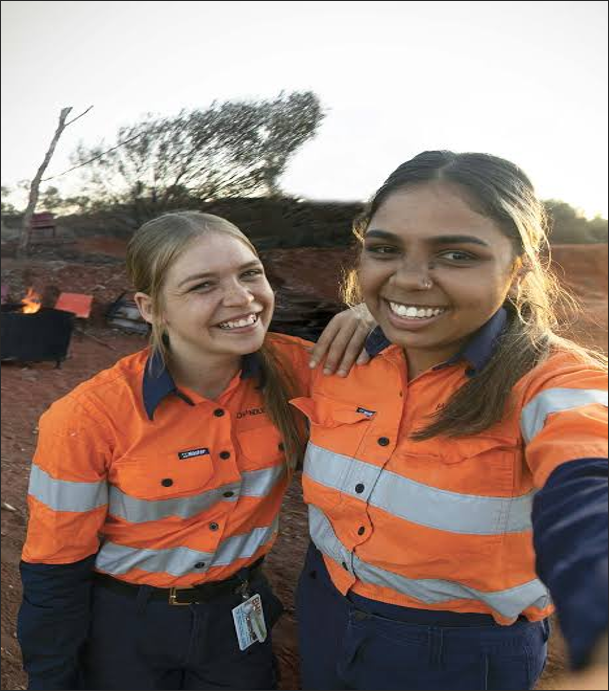
Image 3: Onsite training session for apprentices in remote WA mining camp
Source: [Mineral Council of Australia]
Albanese Government Mining Policy Under Microscope
The Albanese government’s mining policy came under scrutiny throughout the summit. While the administration has invested in green energy and critical minerals, many executives argue the policy lacks a clear productivity lens.
Some called for a national strategy that balances sustainability goals with operational efficiency—one that doesn’t pit green targets against business viability.
“Policy isn’t just about decarbonising,” one delegate said. “It’s about enabling the very industry that will supply the materials to decarbonise the rest of the world.”
Collaboration Over Confrontation: A Path Forward
Despite differing opinions on subsidy reform and emission timelines, most speakers agreed that cooperation between government and industry is the only viable path forward. Several companies expressed interest in public-private task forces aimed at developing new productivity benchmarks for green mining.
Proposals include:
- Joint R&D funds for clean extraction technologies
- Regional infrastructure co-investment to boost supply chains
- Tax credits for digital optimisation and AI adoption
The aim is to make Australia a global leader not just in volume, but in the innovation and productivity of mining itself.
Also Read – Fortescue Maps Out FY25 Targets as Iron Bridge Gains Momentum
Conclusion: A Critical Moment for Mining Productivity
With international competition rising and expectations mounting around climate responsibility, Australian mining productivity now stands at a crossroads.
The challenge ahead isn’t simply about digging deeper—it’s about doing more with what we have, and doing it cleaner, faster, and smarter. To succeed, miners say they need not only capital and innovation—but a government willing to rethink its approach to how mining drives national progress.