
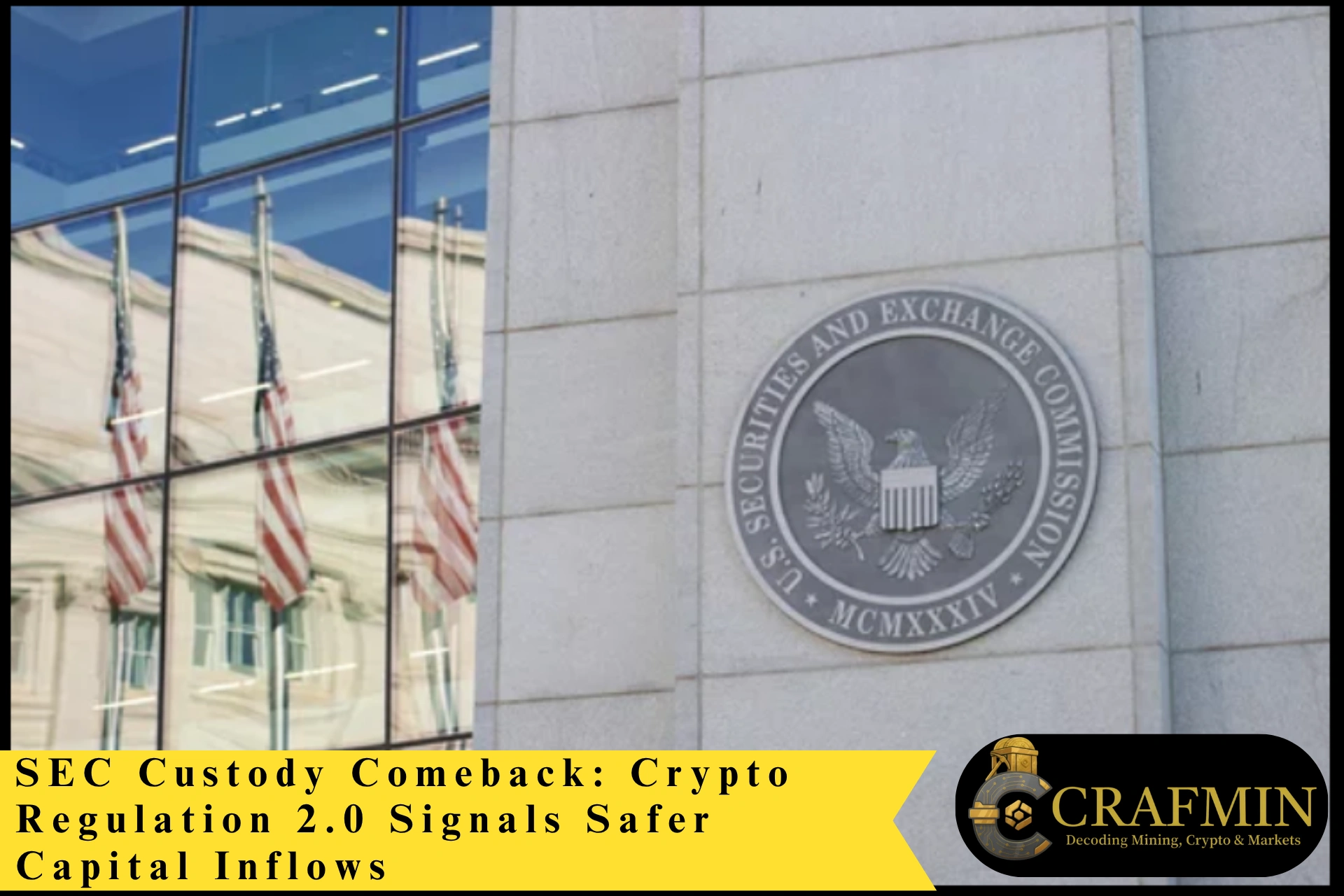
The U.S. Securities and Exchange Commission is restarting its crypto custody rulemaking process. The move marks another attempt to clarify digital asset safeguarding for investment advisers.
The latest effort has reached the White House Office of Management and Budget for review. The SEC must clear this stage before formally proposing new rules. The agency says its approach would modernise custody regulations for client and fund assets.
Crypto assets would receive specific attention under the planned framework. The move comes after the previous custody proposal failed to reach final approval. This SEC custody comeback could therefore become an important test for crypto regulation 2.0.
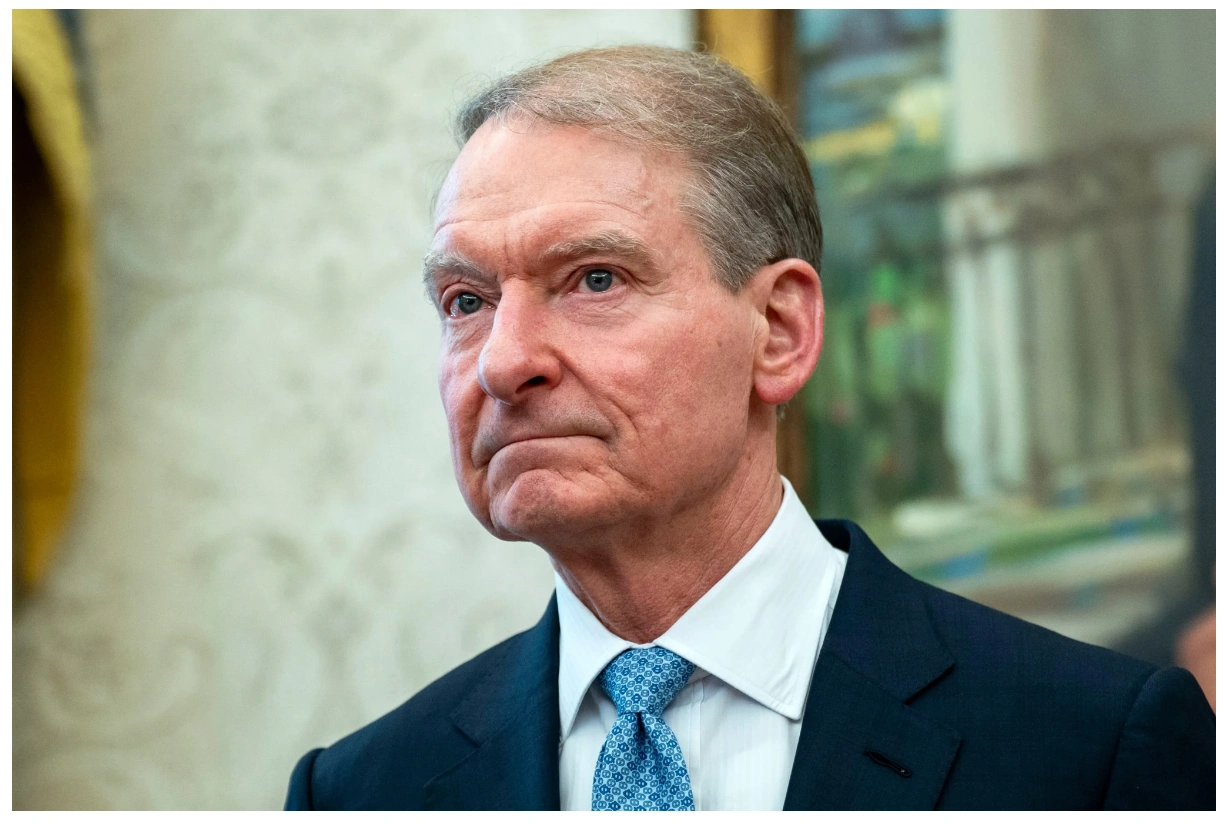 SEC Chairman Paul Atkins is overseeing a renewed push for clearer crypto custody rules. [Courtesy: Fortune]
What The Crypto Regulation 2.0 Proposal Could Change
The SEC has provided limited details about the proposed framework so far. However, its regulatory agenda offers several clues about its direction. The agency says the proposal would modernise outdated custody requirements. It also aims to remove unnecessary burdens where investor protections have evolved. Key areas highlighted by the SEC include:
- Custody rules covering investment adviser client assets and fund assets.
- Specific provisions addressing cryptocurrency and other crypto assets.
- Updated requirements reflecting modern asset holding and trading practices.
- Reduced regulatory burdens where older provisions may no longer be necessary.
These priorities indicate a potentially more flexible approach. They could also improve certainty for advisers handling digital assets.
Why The SEC Custody Comeback Matters For Crypto
The previous SEC custody proposal created significant opposition across financial markets. In 2023, former Chairman Gary Gensler proposed tighter restrictions around crypto custody.
The proposal would have limited where investment advisers could hold client cryptocurrency. Qualified custodians would have formed a narrow group of eligible providers.
These generally included chartered banks, trust companies, and registered broker-dealers. Futures commission merchants under Commodity Futures Trading Commission oversight were also included.
Critics argued the framework could reduce access to custody services. The Small Business Administration warned about potential impacts on smaller advisers. Investment firm a16z called the proposal “illegal, infeasible, and dangerous.”
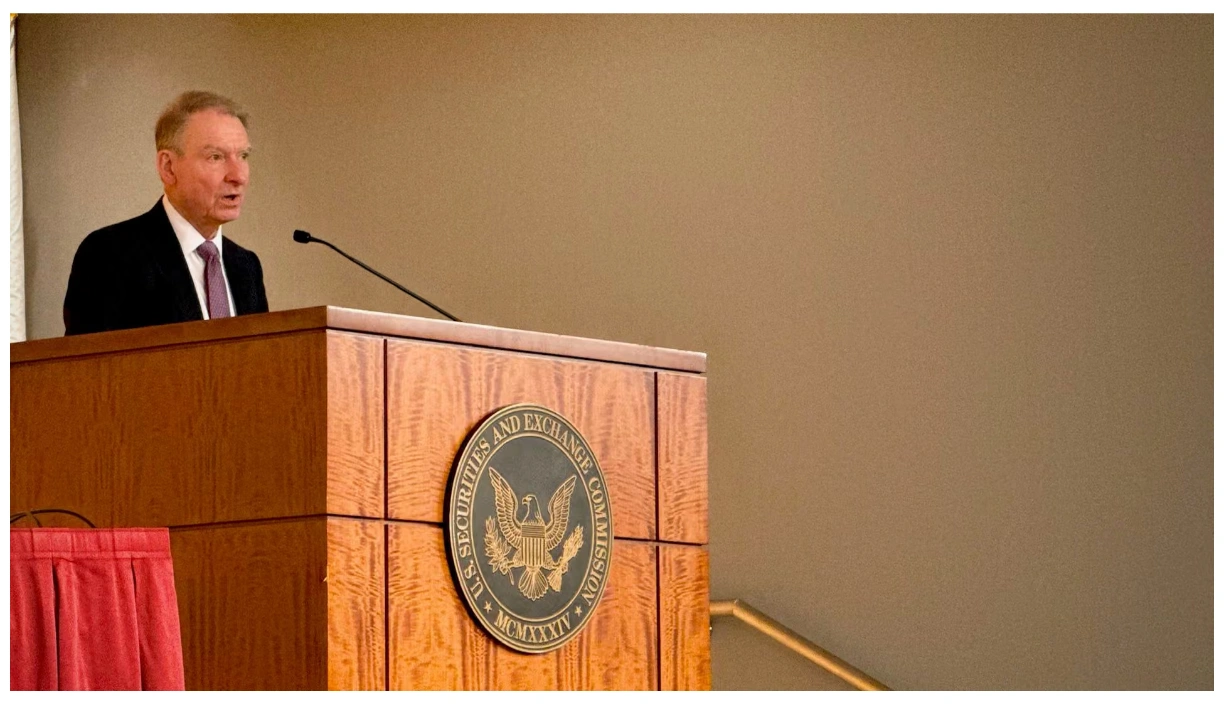 The SEC’s earlier custody approach faced resistance from financial and crypto industry participants. [Courtesy: CoinDesk]
From Failed Proposal To A New Regulatory Direction
The earlier custody effort never secured final approval before Gensler left the SEC. The agency later withdrew the proposal last year.
The regulatory environment has since changed considerably for digital assets. The crypto industry has secured a surge of new federal trust bank charters. This development could expand the number of institutions handling crypto assets.
The change may also address some concerns surrounding qualified custody. Under Chairman Paul Atkins, friendlier crypto regulation has become a major priority.
The custody framework is one part of this broader agenda. Other initiatives could further reshape America’s digital asset landscape. Together, these developments support the wider crypto regulation 2.0 narrative.
Safer Capital Inflows Crypto Investors May Watch
Clearer custody rules could have broader implications for institutional participation. Investors often require predictable custody structures before allocating significant capital. A transparent framework could reduce uncertainty around asset safeguarding responsibilities. It could also make compliance easier for investment advisers and financial institutions. Potential benefits include:
- Greater clarity around acceptable crypto custody providers.
- More predictable compliance requirements for investment advisers.
- Wider institutional access to regulated digital asset infrastructure.
- Potentially stronger confidence among traditional financial participants.
These factors could support safer capital inflows crypto markets increasingly seek. However, the final impact depends on the SEC’s eventual proposal. The current document does not reveal detailed requirements or implementation standards.
SEC Crypto Agenda Extends Beyond Custody Rules
The custody initiative is not happening in isolation. The SEC has several crypto-related regulatory actions underway. The agency recently released its “Regulation Crypto Assets” proposed rule. It represents the SEC’s first major crypto-specific rule proposal.
The regulator is also working towards clearer rules for broker-dealer crypto compliance. Meanwhile, financial markets are watching developments around securities tokenisation. Tokenisation could connect traditional financial assets with blockchain-based infrastructure.
The SEC’s wider agenda suggests a broader regulatory reset. Custody reform could therefore become one component of a larger framework. That makes the SEC custody comeback significant beyond investment adviser compliance alone.
 The SEC’s broader crypto agenda includes custody, broker-dealer compliance and tokenisation initiatives. [Courtesy: Bitcoin News]
When Could The New Custody Proposal Arrive?
The SEC’s disclosure suggests an October timeline for the custody proposal. However, regulatory schedules can change considerably. Previous SEC forecasts have sometimes taken longer than expected.
The “Regulation Crypto Assets” proposal provides a recent example. It was initially listed for April but was ultimately proposed in August. Other SEC initiatives have faced delays exceeding a year. Some proposals have also failed to advance into formal action.
Therefore, October should be viewed as an indication rather than a guarantee. Market participants will likely monitor the review process closely. The next major milestone will be determining whether the SEC formally publishes the proposal.
What the SEC Custody Comeback Means For Investors
The renewed custody initiative could mark an important shift in America’s crypto regulatory strategy. The SEC appears focused on modernising rules rather than simply tightening restrictions. That distinction could influence how traditional financial institutions approach digital assets.
Greater regulatory clarity may encourage more advisers to explore crypto-related opportunities. It could also strengthen the infrastructure supporting institutional participation.
Yet important details remain unknown until the SEC releases its formal proposal. Investors should therefore avoid assuming the final rules will match current expectations.
For now, the sec custody comeback signals another step towards crypto regulation 2.0. Its eventual framework could determine whether safer capital inflows crypto markets continue attracting can accelerate.
Also Read: Grayscale Names ETH, SOL And BNB Under New SEC Crypto Rules
FAQs
Q1. What Is The SEC Custody Comeback?
Ans: The SEC custody comeback refers to its renewed effort to modernise crypto custody rules. The agency previously pursued a custody proposal in 2023, but it failed to reach final approval.
Q2. What Is Crypto Regulation 2.0?
Ans: Crypto regulation 2.0 describes the SEC’s broader effort to modernise digital asset regulation. The current agenda includes custody, broker-dealer compliance and tokenisation initiatives.
Q3. When Could The New Custody Proposal Arrive?
Ans: The SEC’s current disclosure suggests an October timeline for the proposed custody rules. However, previous timelines have changed, including a proposal initially expected in April.
Q4. Could The Rules Support Safer Capital Inflows Crypto Markets?
Ans: Clearer custody requirements could reduce compliance uncertainty for institutional investors. The final effect will depend on the SEC’s detailed proposal and implementation requirements.
Disclaimer
This article is for informational purposes and does not constitute financial, investment or legal advice. Regulatory proposals can change before finalisation and may face delays. The SEC custody framework discussed here remains subject to review and further regulatory action. Investors should independently assess risks and consult qualified financial professionals before making cryptocurrency investment decisions based on regulatory developments.
Source Links