
Introduction: The New Age of Wallets
Cryptocurrency wallets are evolving at a rate that many individuals do not anticipate in 2026. Seed-phrase wallets are being supplanted by seedless recovery systems and Multi-Party Computation (MPC) is rapidly becoming the new form of self-custody. These trends are currently underway and are defining the manner in which millions of users store and utilize their digital assets. (bitcoin)
A large problem that should be solved by this shift is the loss or theft of private keys. Most of the crypto holders have been robbed of their money due to loss through misplacing their seed phrases, loss through forgetting in case of backup or simple mistakes. Seedless recovery and MPC attempt to remedy this but in the process, they make the experience safer and easier.
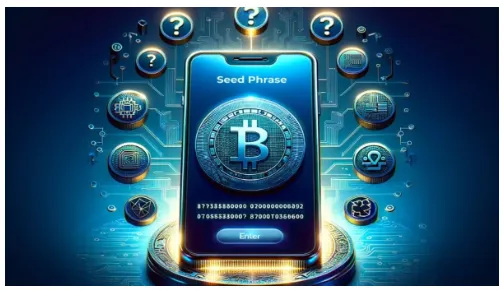
Seedless recovery and MPC are making crypto wallets safer and easier in 2026. (Image Source: CFOtech New Zealand)
The Reason Seedless Recovery is Important Nowadays
Consider that you lose a seed phrase tomorrow. To a large number of crypto users, this is not an imaginary concern; it is a fear. Polls indicate that a significant number of wallet holders lost access to their wallets or have a friend or family member who did.
The solution that many have been longing for has been a seedless recovery. More wallets will enable you to recover in 2026 without the need to memorize 12-24 random words. Rather, wallets employ established procedures such as email authentication, biometric access, or cloud backup or all three together to facilitate access and enhance their security.
This modification is significant in that it eliminates the single point of failure that seed phrases cause. Rather than having a vulnerable set of words, significant content is divided or secured differently. It implies that the users will not need to fear losing all their crypto due to a lost paper slip. (businesschief)
MPC Wallets: The Technology That is Revitalizing Self-Custody
Multi-Party Computation (MPC) is not just a buzzword. It is a cryptographic mechanism by which a private key is divided into multiple parts, the shares, and it takes a threshold of the shares to authorize transactions.
The entire private key is never contained in a single location in an MPC wallet. Rather, the technology ensures your crypto is secure by ensuring that no individual device or individual can fully possess the key. It is a radical shift in the conventional model of seed phrase, where all the trust is placed on a single secret phrase.
It is practiced in the following way:
- Distributed Key Shares: Key material is broken into pieces and is stored in different locations – on your computer, in cloud backups encrypted, or even on servers.
- Threshold Signing: You require the minimum number of key shares to sign a transaction, e.g., 2 of 3.
- Resilience and Recovery: Losing a device does not mean losing money, since it is possible to maintain the level of shares.
It is a genuine design that provides security advantages. It hardens hacking a wallet to a significantly greater degree, minimizes the need to use potentially risky seed phrases, and provides more access to flexible recovery solutions, even without relying fully on custodial services.
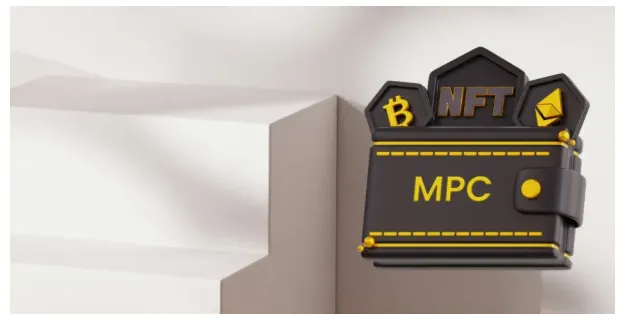
MPC splits private keys into multiple shares, requiring only a threshold to sign transactions, keeping crypto secure without relying on a single seed phrase. (Image Source: ChainUp)
Real-Life Examples: Seedless and MPC Wallets You Might Have Already Heard About
These technologies have not been limited to the academic sphere; people are using them:
- Zengo: This is a well-liked seedless MPC wallet that eliminates the standard seed phrase. It allows users to retrieve their wallets through normal authentication, such as biometrics, email, and cloud backups.
- Binance Web3 Wallet: It is a built-in wallet that operates both on mobile and browsers and can be onboarded seedless with biometric recovery.
- Bitcoin.com Wallet: Is currently transitioning to a seedless recovery default to simplify the onboarding process of both beginners and long-time users.
These demonstrations indicate that the mainstream players are embracing next-generation security functions and that they are raising the bar for all crypto users in the year 2026.
The Way This Trend Changes Self-Custody
Self-custody, not your keys, not your coins, has long held by crypto purists. However, the previous crypto developmental phases required the user to memorize or save a long series of randomly selected words in a secure place. That one was a model that worked but was never user-friendly and resulted in irreparable losses.
When seedless wallets and MPC wallets preserve the key idea of self-custody, in which you possess an asset, but simplify the experience, and feel safer. Rather than having to rely on a thing that may be lost, wallet recovery is now a part of the daily routine of digital safety: multi-factor authentication, trusted devices, and encrypted backups.
This is already influencing more users who did not use self-custody in the past due to its complexity. It also compels developers to take it a notch higher, combining mainstream security standards with sophisticated cryptography.
Security and UX: Two Worlds Apart
Security and usability have always been incompatible. The safer it is, the more difficult it can be to use, usually, particularly with beginners. Seedless and MPC wallets establish a fresh equilibrium:
- Hard Security No Hard Setup: Cryptographic security does not need technical expertise.
- Known UX Patterns: Cloud backups and biometric authentication used by users are familiar UX patterns of daily apps. These patterns are used to minimize friction in wallets.
- Flexible Recovery: In case you lose a device or forget a method of logging in, the distributed aspect of MPC allows you to recover your account anyway.
This clarity and safety are vital. It brings the blockchain technology outside niche technology circles and to actual global application.
Practical Privacy as the Foundation for Mass Adoption in Blockchain: The @0xMiden Approach
Privacy has quietly become one of the most important themes shaping where crypto goes next
even though for a long time it struggled to sit comfortably between what users want and what… pic.twitter.com/64IRoUQxTc
— Champion (@Chidebeko) January 15, 2026
Bridging the Gap: Seedless, MPC and Real-World Adoption
Self-custody of blockchain was initially available to tech-sophisticated investors. Nowadays, wallet technology is accessible to all people in 2026. Ordinary citizens desire convenience in security. Seedless and MPC wallets fulfill that requirement.
A crypto seed phrase was the only means of control for many years. It will work as long as you take it safely, yet something that is not comprehensible to many. According to surveys, a large number of crypto holders have lost access to their money or fear losing their seed phrase.
The citizens are concerned about the loss of finances. Due to this, others have faith in centralised exchanges and relinquish control and others discontinue using crypto. Seedless and MPC wallets allow individuals to maintain control without being required to memorize 12-24 random words. That changes the game.
Hot Wallets Meet Next Generation Security
Not every wallet is the same. Wallets of the future (2026) may be daily, hot wallets in a hurry or the new and improved systems that are convenient and come with high levels of security.
Hot Wallets: Hot wallets can be accessed at any time on phones or browsers, and are simple to use. They are needed to perform the daily transactions and also to operate the DeFi apps. Now they could include biometrics and additional protection, but traditional security issues remain, including phishing and bugs in the browser.
MPC-Enhanced Hot Wallets: MPC-enhanced hot wallets are similar to traditional hot wallets except that they utilize multiple secure elements to share key material rather than use a single seed phrase. They are also linked to apps, swaps and NFTs, which are supported and can be used in everyday life.
What it implies to users: You can interact with Web3 apps without any trouble, be able to sign transactions quickly and securely, and be able to retrieve your wallet without having to memorise random words, which all remain entirely in control.
Frontlines Examples: How the 2026 Wallets Stack Up
The wallet market of 2026 is varied. These are the best examples of the seedless + MPC trend being evident in actual products, and the main lessons to users and developers.
Zengo – MPC and Zero Hacks With No Seed Phrase
One of the hottest wallets on the market these days is Zengo. It divides your private key into multiple shares by deleting seed phrases and applying the MPC technology, one stored on your device, and one on a remote server, which need to be reunited to create a signature when making a transaction.
Why that matters:
- No seed-phrase weak point: The largest factor that causes people to lose wallets in the past.
- 3-Factor Authentication (3FA): Biometrics, encrypted backups and verification were implemented to make the wallet safer and easier to use.
- Zero hacks since launch: This is a rare victory in a business that is notorious for having security issues.
To individuals who are fed up with having to scribble 24 words down and subjecting themselves to the risk of losing them, wallets such as Zengo provide a definite alternative.
Tangem Physical, Battery-Free And Seedless
Most individuals believe seedless is simply the act of clouds or mobiles recovery. However, physical wallets are good as well. The cards made by Tangem store keys in a safe chip; therefore, you do not require backups, any power source, and do not have to use seed phrases.
This method provides the true peace of mind: you can carry your wallet, but in the form of a card, and the recovery is not only physical, but also easy and based on hardware, a combination of ease of use and high security. This ratio of safety and ease is of concern to most owners who have large holdings of crypto or long-term strategies.
Smart Contract Wallets and Multisig
In addition to MPC, multisignature (multisig) and smart-wallets are becoming popular. Such systems utilize various independent signatures to transfer funds. This implies that no machine by itself can transfer money.
Institutions, DAOs and high-value holders such as this are incentivized to participate in this model since it distributes trust and reduces risk. Multisig wallets can be very easy to establish but offer the benefit of combining good self-custody with institutional-like security when configured well, despite being more complicated to set up.
The Importance of Providing Security, Adoption and Human Trust
On the one hand, seedless wallets and MPC may appear to be tech-savvy concepts that are exclusive to professionals. However, their actual effect is on individuals.
Security Without Fear. It is not a myth that people lose access to huge sums of crypto due to losing a seed phrase because they misplaced it; this happens daily. According to surveys, lots of crypto users experience difficulties in cases when they become inaccessible or lose keys. Seedless recovery and MPC eliminate such a fear, and self-custody becomes just the everyday experience of digital protection – resetting a password or signing in on the familiar device.
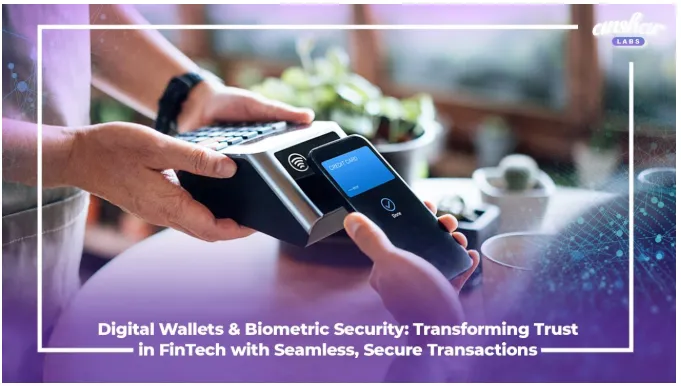
Seedless wallets and MPC make crypto self-custody simple and secure, turning complex key management into everyday digital protection. (Image Source: LinkedIn)
Improved Onboarding of Real People
Wallets must be easy to use to get crypto to go. New customers are not interested in studying cryptography or fear of irreversible loss. The barrier is reduced by seedless and MPC wallets. Alternatively, wallets can use instead of confusing a newcomer by using complex backups:
- Biometric login
- Email or phone verification
- Secure cloud-based recoveries
- Pairing authentication with devices
They are the methods that are not new, as they are based on daily digital routines.
The Self-Custody Ethos Lives On – Grounded
Other critics fear that the seedless systems are not actual self-custody. That is a misunderstanding. Self-custody must not be aged and difficult to operate. Control and ownership are the key factors. The contemporary wallets retain that and are becoming simpler to operate.
MPC wallets do not deny users the ability to hold the keys and never give them to a central party. The distinction lies in the management of the keys, which development can allow more individuals to have self-custody.

Seedless and MPC wallets preserve true self-custody, keeping control with users while making key management simpler and more accessible. (Image Source: Finance Magnates)
The Future: What is Next in Wallet Innovation
The next giant technological advance in wallets is not necessarily about eliminating seed phrases. The concepts of seedless and split-key (MPC) systems are being developed by new trends.
On-Chain Identities Abstraction and Simplification
Account abstraction implies that wallets are used as regular online accounts. Users would be able to sign transactions just like they would open their email account or phone, but mesh wallets would not forget complex cryptographic keys: MPC, account abstraction, and smart contract logic add to mesh wallets.
Hybrid Wallet Ecosystems
Some wallets are becoming super-apps, combining simple custodial applications with full control. These apps appear as banking applications, yet they allow users to hold onto private keys or adopt decentralised finance (DeFi) without ownership loss. Consider the wallets that:
- Support staking, NFTs, and DeFi.
- Operate on numerous blockchains.
- Use MPC, multi-signatures, and smart contracts.
- Function like the apps you use on a daily basis.
This will make the majority of people perceive blockchain as a simple daily technology, rather than a complicated fringe technology.
The Implication of This on the Future of Crypto Ownership
In the year 2026, crypto wallets will transform the way we transact digital assets. Both seedless recovery and MPC make wallets less risky to possess and hold. To the user, it translates to fewer concerns, fewer lost funds and a more seamless process of registering for the day-to-day use. To developers and businesses, these trends create new opportunities to create secure wallet systems, ease of compliance, and enterprise-level self-custody. In a digital world where digital assets are now the norm, this revolution is not a choice; it must be made.
Also Read: Bitcoin Market Trends Slide Below $92,000 As Tariff Fears Shake Risk Assets
In Conclusion: Our Humane Wallets, Not Cryptographic
The most admirable aspects of the 2026 trends are due to focusing on people first. Crypto wallets have ceased to be mere safe deposit boxes; they have been made user-friendly and convenient gadgets that 5.4 billion people can use to access decentralised finance. With seedless recovery and MPC becoming standard practice, we will find:
- Greater confidence and an increase in the number of people using them.
- Pocket wallets, which are very secure and yet familiar.
- Self-custody that is anywhere, and anyplace.
That is a change of trust, you are aware that your assets are yours and you will not be denied access due to a convoluted paper phrase.
Frequently Asked Questions (FAQ)
- What is a crypto wallet without a seed?
Ans: A crypto wallet without a seed eliminates the use of a long recovery phrase. It incorporates alternative security measures such as cloud backup, biometrics, or multi-factor authentication to help users regain access to their wallets. - Why are seed phrases risky?
Ans: Seed phrases represent a single point of failure. If someone loses their phrase or it falls into the wrong hands, the wallet can be permanently lost or stolen. Many users have experienced loss of access due to seed-phrase issues. - What benefits does an MPC wallet have in terms of security?
Ans: MPC (Multi-Party Computation) wallets divide the private key into multiple parts stored in separate locations. A threshold of these parts is required to sign transactions, so no individual or device fully possesses the key. - Can MPC wallets be used by beginners?
Ans: Yes. Modern MPC wallets are designed for easy recovery and robust security, making them suitable for both beginners and experienced crypto users. - Will self-custody be possible on seedless wallets?
Ans: Absolutely. Seedless wallets allow users to maintain full control over their assets while leveraging modern security solutions instead of manual key management. - Are seedless wallets self-custodial?
Ans: Yes. Seedless wallets that use MPC or distributed key management ensure the user retains control of their private keys, even though recovery is more intuitive than using a traditional seed phrase. - Should MPC wallets hold high-value assets?
Ans: Yes. MPC eliminates single-point vulnerabilities. It is used by institutions and increasingly by consumer wallets, making it suitable for securing large balances. - Will I lose access to a seedless wallet if the provider fails?
Ans: It depends on the wallet’s design. Some seedless systems allow you to export key shares or use decentralized backups; others may require prior planning. Always consult the wallet’s recovery documentation. - Are MPC wallets central server-based?
Ans: Some MPC models store key shares on secure servers, but this does not make them custodial. Cryptographic design ensures no single entity can control the funds. - Will hardware wallets become obsolete?
Ans: Not likely. Hardware wallets still provide the best offline security. However, hybrid models combining MPC with physical hardware are emerging, offering greater flexibility while maintaining strong security.
