
The increasing risks of global conflicts are no longer just a matter of the future but are already influencing investors’ perceptions of digital assets as the geopolitical conflicts in various regions become more and more intense.
The talk about World War 3 is getting more frequent, while the markets are having a hard time incorporating the uncertainty into the prices of assets. Crypto markets are said to move in phases rather than in one-directional changes.
Initially, Bitcoin behaves like a risk asset in the wake of the first shock, then it gets affected by policy and capital controls. The pattern thus puts Bitcoin right in the middle of the financial reactions during geopolitical tensions.
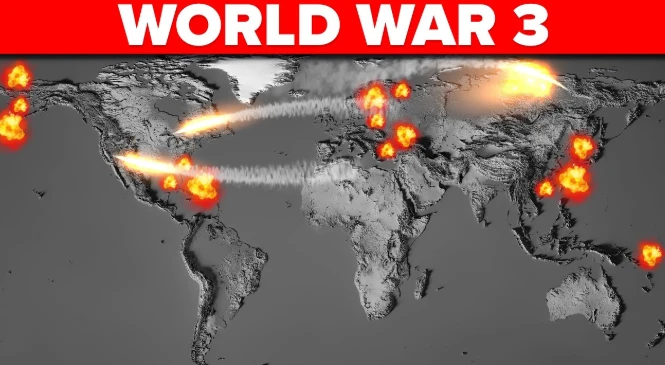
Rising conflict fears reshape investor views on crypto. {China-US Focus]
Are World War 3 Fears Gaining Real Momentum?
Europe’s officials are now treating security discussions related to Ukraine not merely as a theoretical exercise but rather in terms of operational readiness. The issue of guarantees in case of a post-war situation has now become the main topic of conversation, a matter which Russia has always considered unacceptable.
Some analysts interpret the situation as a tightening of diplomatic margins that naturally makes escalation more probable. The global conflict risk factors that are now influencing international relations in 2026 contain these tensions as a significant part. In the case of the Indo-Pacific, the military drills conducted by China around Taiwan are increasingly being interpreted not as routine exercises but as blockades being prepared.
A disruption of shipping or an incident at sea could bring about a situation where global trade is affected even without a formal invasion taking place. When it comes to supply chain shocks, markets often react very quickly. This is one of the factors that have contributed to the World War 3 debate in financial modelling.
How Does Bitcoin React During Early Conflict Shocks?
According to the market history, Bitcoin is most likely to see a plunge in its price during the first escalations of a conflict, since the traders will want to get rid of their risk exposures.
Typically, the investors will sell their assets having a price that moves a lot, and at the same time, they will transfer their capital into cash and the most traditional safe havens. Bitcoin among traders is to be considered as a high-beta tech stock rather than digital gold in the early conflict stages. This kind of movement is due to the liquidity needs of traders and not because of their ideological beliefs.
Nonetheless, this phase is often not prolonged. When price discovery stabilises, market players reconsider the roles of assets amidst the new political conditions. This is where the narrative of Bitcoin can start to change.
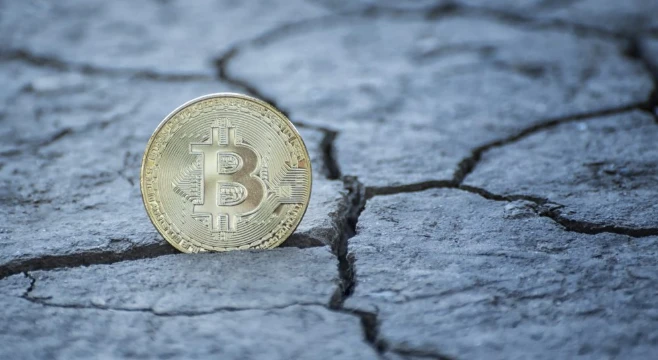
Early war shocks trigger Bitcoin sell-offs first. [Inside Telecom]
Why Could Bitcoin Later Behave Like Digital Gold?
In lengthy geopolitical conflicts, governments might resort to capital controls or stricter financial monitoring. In these situations, the characteristics of Bitcoin as being portable and censorship-resistant become more appealing to investors.
Analysts see it that way, digital assets would be favoured if uncertainty about access to traditional banks continues. Such a move can take weeks instead of hours. Also, along with the Bitcoin adoption, the regions that are facing currency instability are usually encouraged.
The conditions are not a guarantee, but they can provide support for the demand in the course of conflicts that extend over time. The potential demand is the reason why some investors keep a crypto exposure despite the volatility.
Can Economic Warfare Trigger Similar Market Stress?
The economic conflict and military tensions are becoming increasingly intertwined. The enforcement of sanctions, restrictions in trade, and the banning of transferring technologies are now the main elements of relations between countries.
These actions can decelerate the economy and displace investments that would otherwise flow in. The markets react to policy announcements even when there is no movement of troops.
Financial confrontation of this kind has an impact on the confidence of consumers and investors globally, and it is also part of the rising risk of conflict globally. Furthermore, it determines which way the capital is looking to cross the borders. In such a scenario, digital assets continue to be a part of diversified financial hedging strategies.
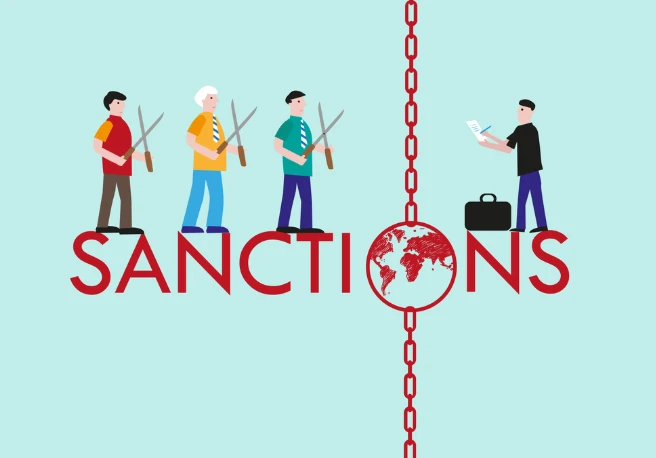
Sanctions and trade wars intensify economic instability. [The Library and Economics and Liberty]
Is Direct Global War Still Considered Unlikely?
Most analysts still view full-scale global war as unlikely despite heightened rhetoric. Current confrontations resemble Cold War-style rivalries with economic and cyber dimensions. Proxy conflicts and regional instability remain more probable scenarios.
However, interconnected crises raise the danger of miscalculation. This uncertainty drives ongoing discussion around World War 3 while keeping investors cautious. Financial markets now price geopolitical risk as a persistent rather than temporary factor.
What Should Investors Watch Going Forward?
Policy decisions will likely shape Bitcoin’s role more than battlefield developments alone. Capital flow regulations, banking access and sanctions frameworks remain critical signals. Investors also monitor shipping routes and energy markets for early stress indicators.
These factors influence both inflation and asset allocation. As international relations 2026 evolve, digital assets may remain caught between speculation and protection narratives. This dual identity ensures continued volatility during geopolitical uncertainty.
Also Read: How Stricter Crypto Regulations in India and Global AML Trends Are Reshaping the 2026 Market
FAQs
Q1: Why are rising global conflict risks affecting crypto markets?
A1: Geopolitical tensions increase uncertainty, causing investors to rebalance portfolios and reduce exposure to volatile assets.
Q2: Does World War 3 mean Bitcoin will always rise?
A2: No, Bitcoin often falls during early shocks and may only rise later depending on financial restrictions and policy responses.
Q3: How does International Relations 2026 impact digital assets?
A3: Trade policies, sanctions and banking regulations directly influence capital movement and crypto adoption trends.
Q4: Is Bitcoin considered a safe haven during wars?
A4: Some investors treat it as a hedge, but behaviour varies based on market structure and government actions.
