

JPMorgan is no longer standing on the sidelines.One of the leading global banks has been considering cryptocurrency trading services for institutional clients. This single piece of news makes it clear that one thing is sure: crypto is no longer a niche technology. It seems to have an infrastructural component. (bloomberg)
This is not a rumor spread on hidden online platforms. This is a message that has been received on Wall Street, among the cryptocurrency companies. This market has noticed when a financial institution of this caliber reverses direction.
The adoption of crypto in institutions is expected to enter a different phase. One thing is, however, clear: the paradigm shift is going to become structural and not speculative in the year 2026.

JPMorgan’s crypto pivot marks its move into the financial mainstream. (Image Source: Yahoo Finance)
Why This Action Has Current Significance
The crypto market has seen hype, collapse, a resurgence, and a metamorphosis in cycles. Retail investors kicked off the movement. Developers later joined the wave. Regulators came last. Institutions were slow to participate.
JPMorgan’s action is against the backdrop of the convergence of three factors:
- Enhanced regulatory frameworks
- Rising institutional demand for digital assets
- Fatigue with unregulated offshore platforms
It is a pivot that in no way relates to keeping up with the times or staying trendy. It relates instead to control, compliance, and positioning. Unless the threat of remaining static outweighs the cost of possible change, nothing will happen to the banks.
From Scepticism to Strategy
JPMorgan’s crypto journey has never been easy.
The bank had challenged the relevance of digital assets for a long period of time. There had been apprehensions regarding volatility, fraud, and system risks. However, in the background, it was developing blockchain technology and had begun to focus on tokenized payment systems and digital settlements.
That is a contradiction that matters.
In fact, what this shows is that, whereas the tone in official statements was cautious, the actual work in terms of preparations for the technological aspect had never stopped. In a way, the present paradigm shift can be said to be more about revelation than reversal.
Now, of course, the plan becomes apparent: the provision of regulated and compliant market access to crypto, servicing institutional investors.
What Institutional Crypto Trading Really Means
It has nothing to do with either meme coins or retail trading. Institutional investors will focus on those cryptocurrencies that have some degree of liquidity, scalability, and legal clarity.
In this context, the focus is on:
- Bitcoin as a macro hedge and treasury asset
- Ethereum and programmable financial infrastructure
- Assets tokenized that correspond to physical assets
Clients of JPMorgan include asset managers, pension funds, insurers, and hedge funds. None of these participants chase hype. They instead require custody services, risk management solutions, reporting infrastructure, and regulation support.
This connection between the bank and cryptocurrency converts a place of speculation into a financial market.
Why Institutions are Moving in Now
This institutional demand is not going to materialize overnight. Institution-building takes time.
Some of the factors that have led the big players into the crypto market at present include:
- Market Maturity
There has been an improvement in liquidity. Infrastructure has been hardened. Institutional standards for custody solutions have been met.
- Regulatory Direction
Ambiguities are resolved through clear rules. Institutions should function under regulated circumstances, even at the cost of the pace of innovation.
- Portfolio Diversification
Digital assets are different from other stocks and bonds. The differences make digital assets attractive during uncertain times in the economy.
- Client Pressure
Today, institutional and wealth investors are knocking on the door of crypto. And banks will have to follow or fail. JPMorgan’s move reflects this reality.
Wall Street is No Longer Watching, it is Participating
Across the Wall Street landscape, the traditional finance establishments are lining up to integrate further with crypto. Many already offer exposure. Then some are centered around custody, derivatives, and tokenized funds.
The difference this time is size.
When a globally active and powerful bank acts, this triggers a fast process throughout the entire financial system. Alternative cryptocurrencies no longer exist. They are now optional capital infrastructure.
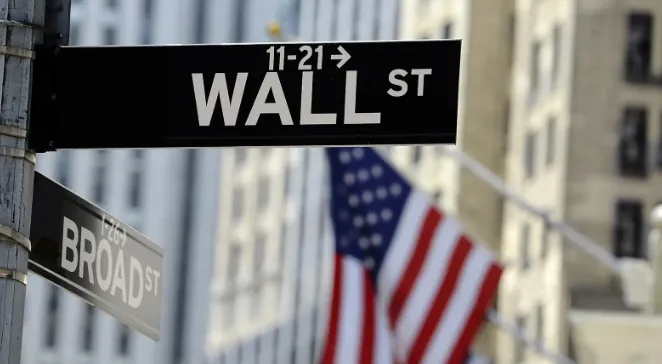
Wall Street isn’t just watching crypto anymore; it’s building it. (Image Source: Decrypt)
What it Means for Bitcoin & Ethereum
The adoption of crypto by organizations affects asset markets.
Bitcoin
Having institutions as a scarce, liquid, and internationally recognized asset class is a positive development in the world of Bitcoin. Institutions are overall stabilizing elements in the marketplace as they add more long-term investors. It also changes the role of Bitcoin from being a speculative product to a macro asset.
Ethereum
Ethereum attracts institutional investment for a different reason. It offers the capability of programmable finance, smart contracts, and tokenization. Banks don’t just see Ethereum as an asset class. They see it as rails.
The distinction between past and present is not absolute.
What the Transition Means in Terms of Marketplace Dynamics
Institutional participation affects market behavior. Retail investors act emotionally, while institutional investors act strategically.
As banks and asset managers are entering the crypto market:
- Liquidity deepens
- Enhancing price discovery
- High volatility diminishes
- Risk management becomes the norm
It by no means eliminates market cycles. It changes market cycles. The crypto market is becoming much less disordered and contested.
Regulation Becomes a Feature Rather Than a Threat
The cryptocurrency market had fear of regulation for several years. Now, regulation attracts capital.
Institutions require compliance. They work optimally in a world where there are rules and a definitive processing system. This has been reiterated by JPMorgan’s move.
As regulated players enter the crypto space:
- Offshore platforms lose dominance
- Transparent pricing delivers value

For crypto, clear rules are no longer a threat; they’re what big investors have been waiting for. (Image Source: Forbes)
Why 2026 is More Important Than 2025
These changes are not immediate. First of all, the year 2025 will all be about preparation. Infrastructure will be built.
The execution year is 2026. By then:
- Institutional platforms scale
- Securities tokenised as an asset
- Digital asset allocation enters portfolio conversation
JPMorgan’s movement shows that the bank is leading the curve. It is at the forefront, as opposed to when it will be catching up later.
The Emotional Undercurrent: Trust
Finance relies on trust. Finance works on guarantees.
Crypto has faced trust issues for a very long time. This can include hacking, collapse incidents, and a lack of defined rules.
The institutional adoption spreads the trust gradually. Not because they are perfect institutions by any means, but because they work in regulated environments.
JPMorgan’s involvement equals safe capital. The presence of JPMorgan means capital will flow.
Competitive Environment – Wall Street’s Crypto Heat is On
JPMorgan’s entry into the institutional trading of cryptocurrencies is not an isolated activity. In the global scenario, the traditional financial giants are reshaping their attitude towards cryptocurrencies.
Goldman Sachs, Morgan Stanley, and Standard Chartered, among others, have been pursuing their own digital offerings, such as custody, trading, and advisory services.
For instance, Morgan Stanley plans to begin cryptocurrency trading for E*Trade customers, which is set to be released by mid-2026 as they aim to meet the rising demand for these sorts of services from hedge funds and asset managers.
There is an important message in this convergence in and of itself: areas previously skeptical of finance are now looking at crypto not as some niche phenomenon, but as a legitimate market in its own right.

Wall Street’s crypto race is on. (Image Source: CryptoSlate)
This trend is driven forward by two factors:
- Institutional Client Demand
The companies that oversee billions of defined benefit pensions, sovereign wealth funds, and other long-term capital investments now have a regulated and bank-quality entrance into the world of digital assets. This presents a whole new opportunity for the large banks to leverage their competitive advantage.
- Clarity Of Regulations And Legislative Support
There have been several factors within the US that have opened the door to easier entry and caused banks to reassess crypto services. Some of these factors include an understanding of stablecoins and banking regulations.
For JPMorgan, this is not fear of missing out. It’s preparing itself in a market that is likely to outrun institutional investment by trillions of dollars in the year 2026 and beyond.
The Future of Crypto
To fully appreciate the magnitude of JPMorgan’s change, it is important to delve beneath the hype and examine usage.
Recent data has revealed that a staggering 60% of the top 25 banks in the US are now considering the introduction of services related to Bitcoin, even though they used to be anti-Bitcoin.
This is not hype. This is a structural trend with deep implications:
- Professionalisation of the Cryptocurrency Markets: Greater participation by conventional financial market participants leads to added value, including the value derived from governance, regulation, custodian, and liquidity.
- Shifts in Asset Allocation: Investment portfolios by institutional investors also involve investment options in digital assets, in addition to the traditional investment options in bonds, stocks, and properties.
- Risk Management Tools: The development of regulated derivatives and risk protection products has given way to more complex trading strategies, which until now have only been available in equity and commodity markets.
The tokenization and blockchain initiatives being undertaken by JPMorgan itself, for instance, issuing commercial papers on the Solana platform and creating tokenized funds, are pointers to the kind of initiatives that could prove to be institutional offerings that are based on the blockchain infrastructure.
This is more than just banks experimenting with cryptocurrency; this is structural integration into capital markets.
What This Means for Bitcoin and the Markets
Institutional investment, especially by major participants such as JPMorgan, is more than a gesture of intentions. It is a paradigm shift in market dynamics.
- Liquidity And Price Stability
When more traditional market players begin trading and owning digital assets, their order books will grow in size. This will lead to a reduction in spreads. This has historically been cited as one of the major issues facing cryptocurrencies – the volatility of prices.
- Correlation With Broad Markets
As noted by various literature pieces, participation in investment channels like Bitcoin ETFs or trading desks could raise correlations between cryptos and other conventional asset classes like stocks, thus making cryptos relevant investment alternatives in a diversified investment portfolio.
- New Hedging & Financing Tools
Because the derivatives desks and OTC markets are organized in a manner consistent with institutions, the investor can hedge their risk or leverage in a fashion and to such an extent as not hitherto possible without the offshore exchange.
- Competitive Yield Products
One such sector where banks can introduce innovation is through the issuance of instruments that earn yields and leverage digital assets. This is because this approach is highly innovative and requires careful risk management.
All these developments are quite attractive to both hedge and pension funds, but are even being taken up by family offices and sovereign wealth funds in the wake of all the turbulence in the world’s macroeconomic environment.
Also Read: How the Marshall Islands’ World‑First Crypto Universal Basic Income Is Redefining Digital Aid
The Regulatory Tightrope: Innovation Meets Compliance
Any review of institutional cryptocurrency adoption would not be thorough if it did not address regulatory realities.
Even when there is an indication that the U.S. is warming up towards digital assets, international regulators are quite cautious regarding them. This is already posing challenges to banks on the continent with regard to AML and KYC policies.
Therefore, JPMorgan’s management must walk the line between innovation and compliance. This is also applicable in JPMorgan’s strategy when providing institutional crypto offerings.
What is challenging in this scenario is obviously clear: regulators want market development, but they cannot have this at the expense of investment protection and risk. Of course, this is bound to have a two-fold approach regarding regulation, which needs to be handled carefully by the institutional participants.
There are three implications for investors and crypto experts:
- Regulatory Predictability: There must be a degree of predictability in custody, trading, and settlement arrangements.
- Compliance costs aren’t going away: Sophisticated AML/KYC solutions and reporting systems are just table stakes.
- Global Variance Is a Strategic Factor: Differences in regulations for different countries will influence product distribution and consumption.
That is, innovation on its own will not bring about success. Both technology and governance must collaborate on an institutional level.
Compliance is often framed as something that slows innovation down. In reality, it’s what unlocks scale.
What @KAIO_xyz is doing shows this clearly.By building inside licensed frameworks, they’re not reducing DeFi’s power – they’re extending it to the participants that actually… pic.twitter.com/GRK4prTYqR
— Holly (@holly_web3) December 22, 2025
A New Era: Institutional Crypto Frontier
As the year 2025 draws to a close, it can be said that the hype over digital assets has changed. JPMorgan’s incursion into the world of cryptos indicates more than the shift in strategy; it represents the harsh reality that the domain of digital assets is no longer the domain of niche speculators. They are gradually making their presence felt in the fabric of traditional finance.
With institutional participants on board, a certain provenance is brought to the markets, and this is where the paradigm of professional finance meets the innovative possibilities that are indigenous to blockchain technology.
Whether you are a portfolio manager trying to inoculate against risk exposure, a pension fund strategist creating asset allocation structures, or just a crypto enthusiast trying to make sense of cycles in the market, the year 2026 promises to shape the way you think.
JPMorgan and its industry are not simple observers. They are establishing links between the traditional world of financiers and the new digital world. These, in turn, may reshape both capital movements and risk management in the global financial system when created.
Frequently Asked Questions
- Why is JPMorgan deciding to involve itself in crypto at this time?
Ans: JPMorgan’s move reflects a clear alignment between rising institutional demand and increasing market maturity. At this stage, the risk of non-participation outweighs the risk of entry. The decision responds directly to client interest and competitive pressure from other investment banks expanding their digital asset capabilities. - Does this mean that crypto is fully mainstream?
Ans: Not entirely. However, crypto has moved beyond a critical threshold. Institutional acceptance signals a transition phase, a shift toward integration rather than full mainstream arrival. - What kind of services can JPMorgan provide to institutional clients?
Ans: JPMorgan is expected to offer services such as spot trading, which involves the direct purchase and sale of cryptocurrencies, as well as derivative products that allow exposure to price movements without holding the underlying assets. - Will this lead to an increase in the price of Bitcoin and Ethereum?
Ans: Institutional participation is typically stabilising rather than immediately price-moving. While prices remain driven by broader demand trends, institutional involvement improves liquidity and market legitimacy. These factors help reduce volatility and support higher valuation levels over time. - Is this development good for retail investors?
Ans: Yes, indirectly. Greater institutional involvement strengthens market infrastructure, improves transparency, and reduces systemic risk; all of which benefit retail participants. - Can banks influence cryptocurrency markets?
Ans: Banks can influence market structure, but not ownership. Decentralised models remain intact. However, access to crypto markets may increasingly operate through tiered, regulated channels.
7. Are banks fully regulated to provide cryptocurrency services?
Ans: Banks operate under strict regulatory frameworks. Any crypto-related services must comply with laws governing custody, anti-money laundering (AML), risk management, and financial reporting.
